

Blog
Things to Know About Scottish Fold Cat Before Buying
Things to Know About Scottish Fold Cat Before Buying | Health, Care, Cost & Guide

Scottish Fold cats capture hearts with their adorable folded ears and sweet personalities, but there’s much more to consider before bringing one home. This guide is for anyone thinking about adding a Scottish Fold to their family – whether you’re a first-time cat owner or experienced pet parent who wants to make an informed decision.
We’ll walk through the critical health concerns you must know about, including the genetic condition that creates those distinctive ears and why it raises serious ethical questions among veterinarians and animal welfare organizations. You’ll also learn about the essential daily care requirements these cats need to stay happy and healthy, from grooming their double coat to managing their social needs and preventing boredom.
Finally, we’ll break down the real financial investment of Scottish Fold ownership – not just the upfront cost from a breeder, but the ongoing expenses for specialized veterinary care, quality nutrition, and potential medical treatments throughout their 11-15 year lifespan.
Understanding the Scottish Fold Breed Characteristics
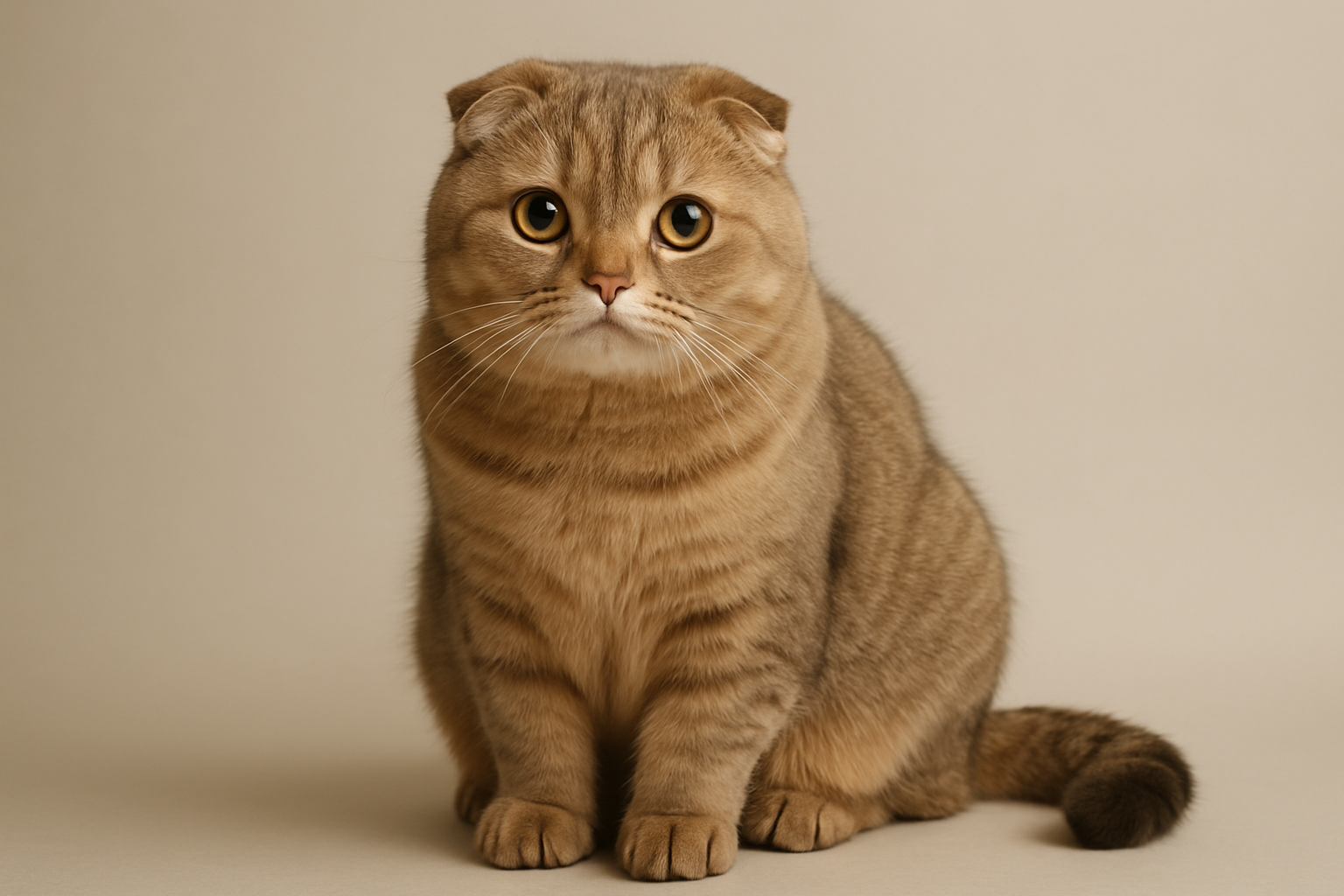
Unique folded ear genetics and appearance
The Scottish Fold’s signature folded ears result from a dominant genetic mutation affecting cartilage development throughout the body. This mutation, discovered in a barn cat named Susie in Scotland in 1961, causes the ear cartilage to fold forward and downward, creating that distinctive “owl-like” appearance that makes these cats so recognizable.
Not every Scottish Fold kitten will develop folded ears. Kittens are born with straight ears, and the folding typically becomes apparent between 18-24 days of age. The degree of folding varies significantly – some cats have single folds where ears bend slightly forward, while others have double or triple folds creating tighter, more compact ear shapes that sit close to the head.
The same genetic mutation responsible for folded ears affects cartilage throughout the cat’s body, which is why things to know about Scottish Fold cat genetic mutations include their impact beyond just ear appearance. These cats have round heads, large expressive eyes, and sturdy, compact bodies. Their coat comes in both short and long-haired varieties, with colors ranging from classic tabby patterns to solid colors, calico, and tortoiseshell combinations.
Scottish Folds typically have a “sweet” facial expression enhanced by their round features and folded ears. Their bodies are medium-sized with well-rounded contours, giving them an almost teddy bear-like appearance that contributes to their popularity as companion animals.
Temperament and personality traits
Scottish Folds are renowned for their calm, gentle, and adaptable personalities. These cats bond strongly with their families and often display dog-like loyalty, following their owners from room to room. They’re naturally sociable and typically get along well with children, other cats, and even dogs when properly introduced.
One of the most important things to know about Scottish Fold cat personality and temperament is their need for companionship. These cats don’t thrive when left alone for extended periods and can develop behavioral issues or depression if isolated too frequently. They’re perfect for families where someone is usually home or for households with multiple pets.
Scottish Folds are known for their quiet voices and tend to communicate through soft chirps and purrs rather than loud meowing. They’re intelligent cats who enjoy interactive play but aren’t overly energetic. Many owners describe them as “lap cats” who prefer cudling over climbing tall cat trees or engaging in high-energy activities.
These cats adapt well to apartment living and don’t have strong urges for outdoor exploration. They’re content with indoor entertainment and moderate play sessions. Their laid-back nature makes them excellent therapy or emotional support animals for people seeking calm, affectionate companionship.
Size and physical development expectations
Adult Scottish Folds are medium-sized cats with females typically weighing 6-9 pounds and males reaching 9-13 pounds. They have compact, well-rounded bodies with broad chests and short to medium-length legs. Their physical development follows a gradual pattern, with most cats reaching full size by 12-18 months of age.
Scottish Fold kittens grow steadily but aren’t considered fully mature until around two years old. During their first year, owners should monitor weight gain carefully since these cats can be prone to obesity. Their stocky build and less active nature compared to other breeds means they can gain weight quickly on high-calorie diets.
The breed’s physical characteristics include a short, thick neck and a tail that’s proportionate to their body length. Their paws are round and well-padded, contributing to their sturdy appearance. Long-haired Scottish Folds (sometimes called Highland Folds) have the same body structure but with flowing, silky coats that require more grooming attention.
Things to know about Scottish Fold cat size and development include understanding that their cartilage issues can affect mobility as they age. Some cats may develop a stiffer gait or reluctance to jump to high places, which is normal for the breed but should be monitored by veterinarians.
Lifespan and breed-specific behaviors
Scottish Folds typically live 11-15 years, though their lifespan can be significantly impacted by the genetic conditions associated with their folded ear mutation. The same cartilage abnormality that creates their distinctive appearance can lead to progressive joint problems and mobility issues as they age.
These cats exhibit several unique behaviors that stem from both their physical characteristics and gentle temperament. Many Scottish Folds sit in unusual positions, often described as “sitting like humans” with their back legs stretched out in front of them. This behavior, while endearing, can sometimes indicate discomfort in their joints or spine.
Scottish Folds are known for their love of routine and can become stressed by sudden changes in their environment. They prefer predictable feeding times, consistent sleeping spots, and familiar faces. This makes them excellent pets for stable households but potentially challenging for families with frequently changing schedules.
Another breed-specific behavior is their tendency to sleep in unusual positions – often on their backs or sprawled out in ways that might seem uncomfortable for other cats. They’re also known for their “loaf” position, where they tuck their paws under their bodies and settle into a compact shape.
These cats rarely exhibit aggressive behaviors and are more likely to withdraw or hide when stressed rather than lash out. Their gentle nature extends to their interaction with toys and furniture – they’re less likely to scratch or damage household items compared to more active breeds.
Critical Health Concerns You Must Know
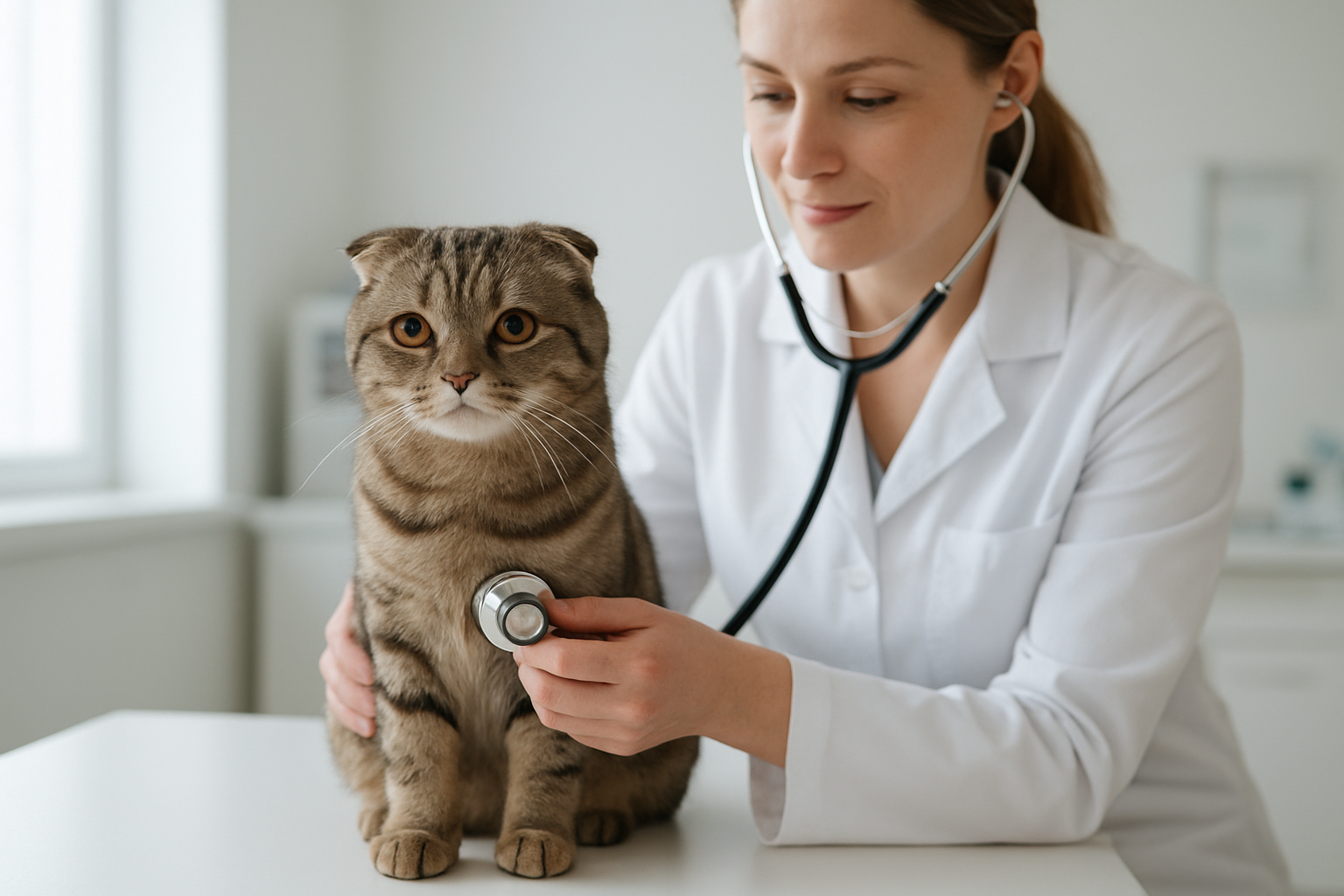
Osteochondrodysplasia and Joint Problems
Scottish Fold cats carry a genetic mutation that creates their signature folded ears, but this same gene causes serious bone and cartilage abnormalities throughout their bodies. Every Scottish Fold will develop osteochondrodysplasia to some degree – there’s no escaping it. This condition affects cartilage development and leads to painful joint deformities, particularly in the spine, hips, and tail.
You’ll notice signs early on. Watch for reluctance to jump, unusual sitting positions, or a stiff, awkward gait. Many Scottish Folds develop thick, inflexible tails that can’t bend normally. Their hind legs often appear shorter and more rigid than other cats. Some cats show obvious pain when walking or may limp noticeably.
The severity varies wildly between individual cats. Some develop mild symptoms they can live with comfortably, while others suffer debilitating pain requiring lifelong medication. Anti-inflammatory drugs and pain management become essential for many Scottish Folds as they age. Veterinary costs for managing joint problems can reach thousands of dollars annually.
This genetic issue explains why ethical breeding organizations discourage breeding Scottish Folds and why some countries have banned their breeding entirely. When you’re considering things to know about Scottish Fold cat osteochondrodysplasia joint problems, understand that you’re committing to potentially expensive medical care and watching your cat deal with chronic discomfort.
Heart Conditions and Cardiac Screening Needs
Scottish Folds face higher risks of developing hypertrophic cardiomyopathy (HCM), a serious heart condition where the heart muscle thickens abnormally. This makes the heart work harder to pump blood and can lead to heart failure, blood clots, or sudden death.
Regular cardiac screening becomes crucial for Scottish Fold owners. Annual echocardiograms help detect early signs of heart problems before symptoms appear. These specialized heart ultrasounds typically cost $300-500 each but provide invaluable information about your cat’s cardiac health.
Early warning signs include rapid breathing, lethargy, reduced appetite, and difficulty exercising. Some cats develop a gallop rhythm heartbeat you might hear during quiet moments. Others show no symptoms until the condition becomes severe, making regular screening even more important.
Treatment options exist but require ongoing commitment. Medications can help manage symptoms and slow progression, but costs add up quickly. Monthly prescription expenses often reach $50-100, plus regular veterinary monitoring visits.
Responsible breeders should provide cardiac clearances for breeding cats, but many don’t perform adequate screening. When researching things to know about Scottish Fold cat before buying, always ask about heart health testing in the cat’s lineage and budget for regular cardiac monitoring throughout your cat’s life.
Breathing Difficulties and Respiratory Issues
The shortened facial structure some Scottish Folds inherit can create breathing problems similar to those seen in flat-faced dog breeds. While not as severe as Persian cats, Scottish Folds with rounder faces may struggle with airway restrictions.
You might notice noisy breathing, especially during exercise or excitement. Some cats snore loudly or wheeze when sleeping. Hot weather becomes particularly challenging since these cats can’t cool themselves as efficiently through panting. Air conditioning becomes necessary rather than optional during summer months.
Upper respiratory infections hit harder and last longer in Scottish Folds with breathing issues. Simple colds can escalate quickly into serious complications requiring immediate veterinary attention. Emergency vet visits for respiratory distress can cost $800-1,500 per incident.
Exercise tolerance decreases notably in affected cats. They tire easily during play sessions and may avoid activities that require sustained effort. This reduced activity level contributes to weight gain, which further compromises breathing ability and creates a dangerous cycle.
Surgical options exist for severe cases, but procedures like soft palate reduction carry significant risks and costs. Most owners manage symptoms through environmental modifications – keeping homes cool, using humidifiers during dry seasons, and avoiding situations that cause overexertion.
Weight management becomes absolutely critical for Scottish Folds with breathing issues. Even small amounts of excess weight dramatically worsen respiratory symptoms and reduce quality of life.
Essential Daily Care Requirements
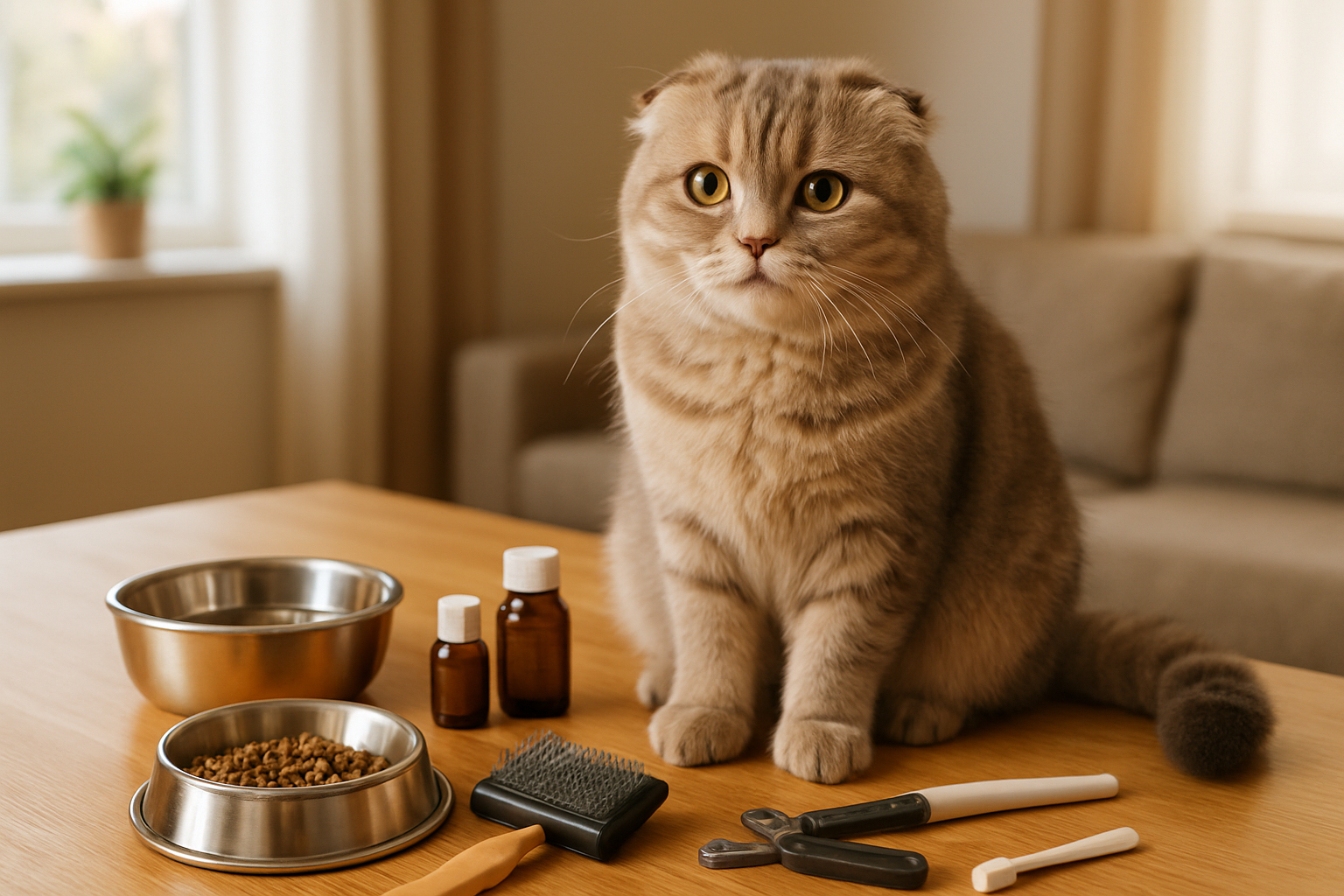
Proper grooming techniques for coat maintenance
Scottish Folds come in both short and long-haired varieties, each requiring different grooming approaches. Short-haired Scottish Folds need weekly brushing to remove loose fur and distribute natural oils throughout their double coat. Use a slicker brush followed by a fine-toothed metal comb to catch any remaining loose hairs.
Long-haired Scottish Folds demand daily brushing to prevent matting and tangles. Start with a wide-toothed comb, then use a slicker brush, finishing with a metal comb. Pay special attention to areas prone to matting like behind the ears, under the legs, and around the tail.
Weekly ear cleaning is crucial for Scottish Folds due to their unique folded ear structure, which can trap dirt and moisture. Use a veterinarian-approved ear cleaner and cotton balls – never cotton swabs. Gently wipe the outer ear canal and visible portions only.
Regular nail trimming every 2-3 weeks prevents overgrowth and scratching damage. Daily teeth cleaning helps prevent dental disease, which Scottish Folds can be prone to. Start dental care early to establish good habits.
Exercise needs and activity recommendations
Scottish Folds have moderate activity levels and enjoy daily playtime sessions lasting 15-20 minutes. They’re not high-energy cats like some breeds, but they still need regular exercise to maintain healthy weight and prevent boredom depression if left alone too long.
Interactive toys work best for engaging their hunting instincts. Feather wands, laser pointers (always end with a physical toy they can catch), and puzzle feeders provide mental and physical stimulation. Scottish Folds love attention and often prefer interactive play with their owners over solo activities.
These cats enjoy climbing and jumping, though they’re not as athletic as some breeds. Cat trees with multiple levels satisfy their climbing needs while providing perches for observation. Rotate toys weekly to maintain interest and prevent boredom.
Short indoor play sessions work better than lengthy outdoor adventures. Scottish Folds adapt well to indoor living and don’t require extensive outdoor access for happiness.
Diet and nutrition guidelines
Scottish Folds thrive on high-quality, protein-rich diets with minimal carbohydrates. Their tendency toward weight gain requires careful portion control and feeding schedules. Adult cats typically need two meals per day, while kittens require three to four smaller meals.
Avoid foods high in carbs as Scottish Folds can easily become overweight, putting additional stress on their joints. Choose cat foods with real meat as the first ingredient and avoid fillers like corn, wheat, and soy.
Monitor their weight closely, as excess pounds can worsen potential joint problems associated with their genetic makeup. Fresh water should always be available, and some Scottish Folds prefer running water from fountains over still bowls.
Consider joint health supplements after consulting with your veterinarian, especially as your cat ages. Omega-3 fatty acids can support both coat health and joint function.
Environmental enrichment for mental stimulation
Scottish Folds are intelligent cats that need mental challenges to prevent boredom and destructive behaviors. Puzzle feeders turn mealtime into enrichment activities, slowing down eating while engaging their problem-solving skills.
Create vertical spaces with cat trees, shelves, and perches. Scottish Folds enjoy observing their territory from elevated positions, and climbing helps maintain muscle tone and joint flexibility.
Window perches provide hours of entertainment watching birds, squirrels, and outdoor activity. Consider installing bird feeders outside favorite windows to create “cat TV.”
Hiding treats around the house encourages natural foraging behaviors. Use different hiding spots daily to keep the activity challenging and interesting.
For working owners, consider cat sitters or daycare options for extended absences. Scottish Folds are social cats that don’t handle long periods of isolation well. Interactive toys that activate when cats approach can provide stimulation during shorter alone periods.
Rotate environmental elements regularly – move furniture occasionally, introduce new scratching posts, or rearrange cat trees to create fresh exploration opportunities.
Financial Investment and Ongoing Costs
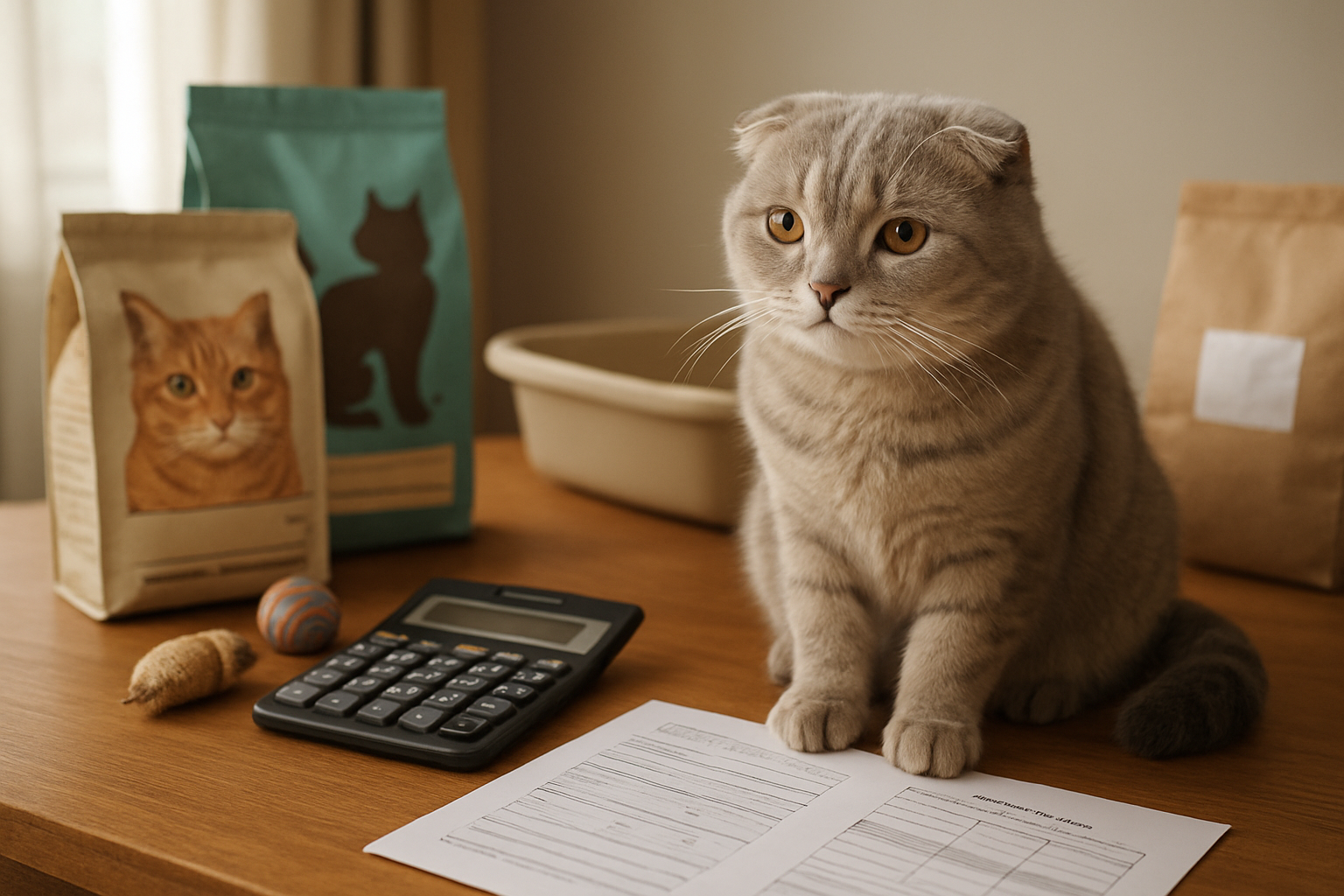
Initial Purchase Price Ranges from Reputable Breeders
Scottish Fold cats command premium prices due to their unique appearance and careful breeding requirements. From reputable breeders, expect to pay between $800 to $2,500 for a kitten, with show-quality cats reaching $3,000 or more. The price variation depends on several factors including the breeder’s reputation, the cat’s lineage, coat color, and ear fold quality.
Pet-quality Scottish Folds typically cost $800-$1,200, while breeding rights can add $500-$1,000 to the base price. Rare colors like silver or chocolate command higher prices, often exceeding $2,000. Championship bloodlines significantly increase costs, with some exceptional kittens priced at $4,000 or higher.
Avoid unusually cheap Scottish Folds under $500, as these often come from irresponsible breeders who don’t perform proper health testing. Quality breeders invest heavily in genetic screening, proper care, and early socialization, which justifies the higher cost.
Veterinary Expenses and Health Screening Costs
Scottish Folds require extensive veterinary monitoring due to their genetic predisposition to osteochondrodysplasia and other health issues. Initial vet visits for vaccinations, microchipping, and health assessment typically cost $200-$400. Annual checkups range from $150-$300, but Scottish Folds often need more frequent monitoring.
Joint X-rays to assess cartilage development cost $300-$600 per session. Many owners schedule these every 6-12 months to catch mobility issues early. Specialized orthopedic consultations can cost $400-$800, especially if joint problems develop.
Heart screening for hypertrophic cardiomyopathy runs $300-$500 annually. Routine blood work to monitor kidney function adds another $150-$250 yearly. Dental cleanings, essential for preventing periodontal disease, cost $400-$800 depending on your location.
Monthly Care Expenses Including Food and Supplies
Monthly expenses for Scottish Fold ownership typically range from $50-$120, excluding veterinary care. High-quality cat food designed for joint health costs $25-$40 monthly for an adult cat. Premium brands with glucosamine and omega-3 fatty acids support cartilage health but command higher prices.
Litter expenses run $15-$25 monthly, depending on your preferred type and local pricing. Scottish Folds benefit from softer litter types to accommodate potential mobility issues as they age.
Regular grooming supplies including brushes, nail clippers, and ear cleaning solutions cost approximately $10-$15 monthly. Interactive toys and puzzle feeders help prevent boredom and cost $5-$15 monthly to replace worn items.
Pet insurance premiums for Scottish Folds range from $30-$80 monthly, varying by coverage level and deductible. Given their health predisposition, comprehensive coverage proves valuable for managing long-term costs.
Emergency Medical Fund Considerations
Scottish Folds require substantial emergency funds due to their genetic health vulnerabilities. Orthopedic surgeries for severe joint problems can cost $2,000-$8,000 per procedure. Some cats need multiple surgeries throughout their lives, making this a significant financial consideration.
Emergency treatments for heart conditions range from $1,500-$5,000 depending on severity and required interventions. Kidney issues, common in the breed, may require ongoing treatments costing $500-$2,000 monthly for advanced cases.
Financial experts recommend maintaining $3,000-$5,000 in emergency funds specifically for Scottish Fold health issues. Pet insurance helps, but many policies exclude pre-existing conditions or genetic disorders, making cash reserves essential.
Consider setting aside $50-$100 monthly in a dedicated veterinary fund starting from kittenhood. This proactive approach ensures you can provide necessary care without financial stress when health issues arise. Many Scottish Fold owners find that budgeting for higher-than-average veterinary costs prevents difficult decisions about their cat’s care later in life.
Finding the Right Breeder and Making Your Purchase

Red flags to avoid in irresponsible breeding practices
Watch out for breeders who prioritize profit over the welfare of their cats. Puppy mill-style operations often keep multiple breeding cats in cramped, unsanitary conditions with little human interaction. These environments produce stressed, poorly socialized kittens that may develop behavioral issues later.
Avoid breeders who breed two Scottish Folds together. This practice significantly increases the risk of severe joint deformities and painful osteochondrodysplasia. Responsible breeders always cross Scottish Folds with straight-eared cats like British Shorthairs to reduce genetic health risks.
Steer clear of breeders who won’t let you visit their facility or meet the kitten’s parents. This secrecy often hides poor living conditions or health problems. Similarly, be wary of breeders selling kittens younger than 12-16 weeks old, as these cats need adequate time to develop proper social skills with their littermates.
Red flags include breeders who can’t provide health certificates, seem unfamiliar with Scottish Fold genetic issues, or pressure you to make immediate decisions. Professional breeders who care about their cats’ welfare will encourage questions and take time to ensure their kittens go to suitable homes.
Questions to ask potential breeders
Start by asking about their experience with Scottish Folds and their breeding philosophy. Reputable breeders should explain their commitment to breeding only fold-eared cats with straight-eared partners to minimize health risks. They should demonstrate knowledge about osteochondrodysplasia and other breed-specific concerns.
Ask to see the kitten’s parents, especially the mother. Healthy, well-socialized parent cats typically produce kittens with similar temperaments. The breeding cats should appear comfortable around people, well-groomed, and living in clean, spacious environments.
Inquire about the kitten’s socialization experiences. Quality breeders expose their kittens to various household sounds, different people, and gentle handling from an early age. This early socialization helps develop the friendly, adaptable nature that makes Scottish Folds excellent companion cats.
Request details about the kitten’s feeding schedule, litter training progress, and any veterinary care received. Professional breeders maintain detailed records and can provide feeding recommendations to ease your kitten’s transition to its new home.
Ask about their return policy and ongoing support. Responsible breeders typically offer guidance throughout the cat’s life and may require that you return the cat to them if you can no longer care for it, rather than surrendering it to a shelter.
Health certifications and documentation requirements
Demand comprehensive health records for both the kitten and its parents. These should include vaccination records, deworming schedules, and any veterinary examinations performed. The documentation should come from licensed veterinarians, not just the breeder’s word.
Insist on genetic health testing results for the parent cats. While specific genetic tests for osteochondrodysplasia aren’t widely available, responsible breeders have their breeding cats examined by veterinarians familiar with Scottish Fold anatomy to check for early signs of joint problems.
The breeder should provide a written health guarantee covering genetic conditions for at least the first year of the kitten’s life. This guarantee should specify what conditions are covered and what steps you need to take if problems arise.
Request documentation proving the kitten has been examined by a veterinarian within the past few weeks. This exam should include checking the ears (which should be clean and odor-free), eyes, heart, and overall development. The vet should confirm the kitten appears healthy and age-appropriate.
Get registration papers if you want a purebred Scottish Fold. These documents verify the cat’s lineage and can be important if you later decide to breed or show your cat. However, many pet owners choose to have their cats spayed or neutered regardless of registration status to prevent contributing to pet overpopulation.
The breeder should also provide a contract outlining both parties’ responsibilities, including spaying/neutering requirements if the cat isn’t intended for breeding, and any restrictions on breeding rights.
Preparing Your Home for Your New Scottish Fold
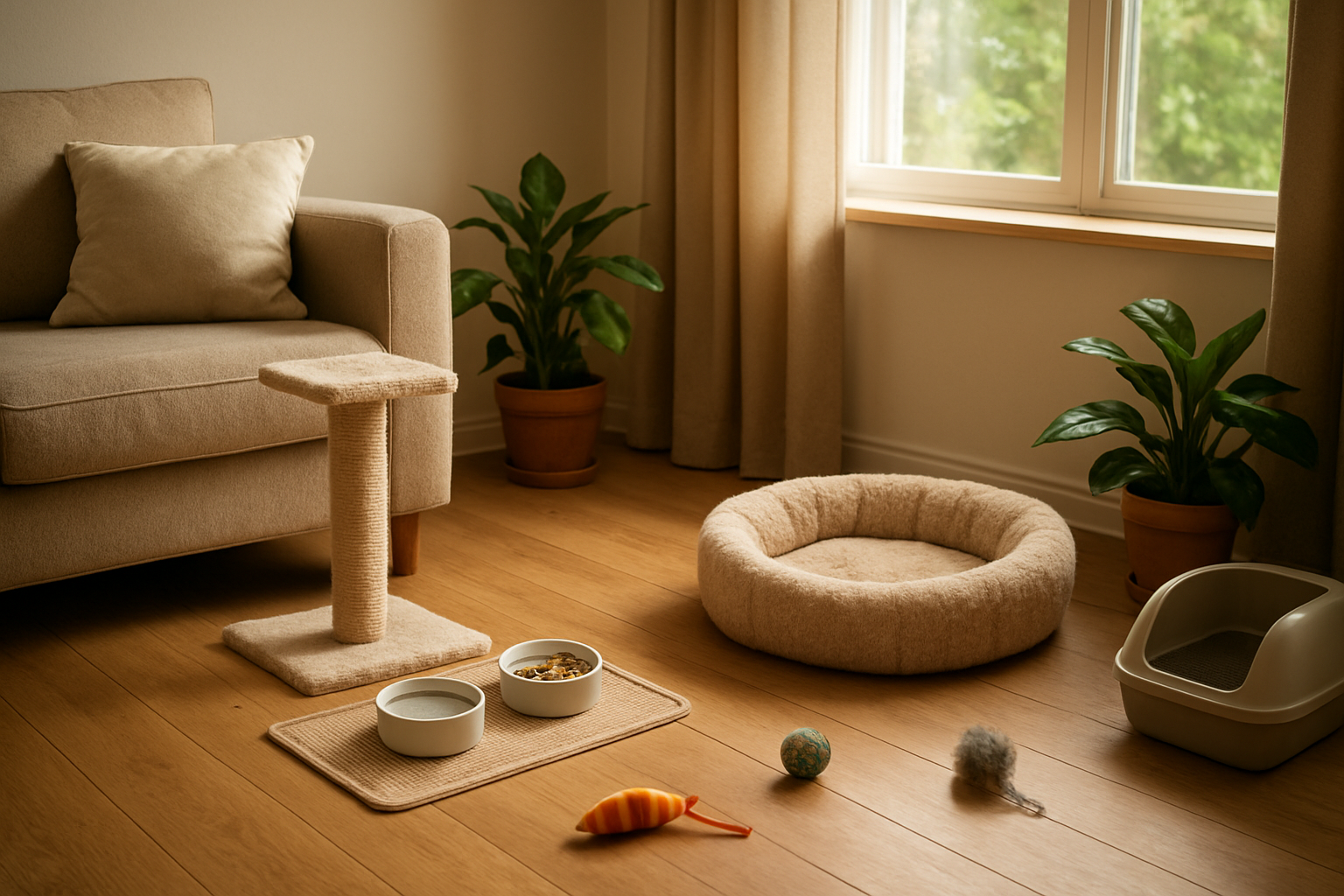
Cat-proofing Essentials for Safety
Scottish Fold cats are naturally curious creatures with their friendly and adaptable nature, making safety preparations crucial for your home. Start by securing loose electrical cords and cables, as these cats love to explore with their mouths. Install safety latches on cabinets containing cleaning supplies, medications, or toxic substances. Remove or secure small objects that could become choking hazards, particularly important since Scottish Folds enjoy interactive play.
Check your home for toxic plants like lilies, azaleas, and poinsettias, which can cause serious health issues. Secure windows with sturdy screens, as Scottish Folds may attempt climbing and jumping despite their sometimes limited mobility due to joint concerns. Store breakable items safely away from surfaces your cat might explore.
Pay special attention to potential hiding spots where your Scottish Fold could get trapped. Check behind appliances, inside recliners, and under furniture. Install toilet seat locks to prevent accidental drowning, and ensure your Scottish Fold can’t access areas with steep drops or dangerous machinery.
Consider the unique health concerns associated with osteochondrodysplasia in Scottish Folds when cat-proofing. These cats may have difficulty jumping down from high places due to joint problems, so remove or block access to very high perches that could result in injury.
Required Supplies and Equipment Setup
Before bringing your Scottish Fold home, gather essential supplies to ensure their comfort and health. Start with high-quality food and water bowls, preferably stainless steel or ceramic to prevent bacterial growth. Since Scottish Folds require protein-rich diets to maintain joint health, invest in premium cat food specifically formulated for their needs.
Set up a sturdy litter box with low sides to accommodate potential mobility issues related to Scottish Fold joint concerns. Choose unscented, clumping litter and place the box in a quiet, easily accessible location. Purchase a quality cat carrier for vet visits and emergencies, ensuring it’s large enough for your Scottish Fold to stand and turn around comfortably.
Grooming supplies are essential for maintaining your Scottish Fold’s double coat. Gather a slicker brush for weekly grooming sessions, nail clippers for regular claw trimming, and special ear cleaning supplies since folded ears require extra attention to prevent infections.
| Essential Item | Purpose | Special Considerations for Scottish Folds |
|---|---|---|
| Food/Water Bowls | Daily feeding | Elevated bowls may help cats with joint issues |
| Litter Box | Hygiene | Low-sided for easy access |
| Cat Carrier | Transportation | Comfortable size for vet visits |
| Grooming Tools | Coat maintenance | Weekly brushing needed |
| Scratching Post | Claw health | Sturdy base for stability |
Creating Comfortable Spaces for Rest and Play
Scottish Folds need both active play areas and cozy resting spots that accommodate their specific personality traits and physical needs. Since these cats love attention and prefer being around family members, create comfortable spaces in main living areas where your Scottish Fold can observe household activities while resting.
Set up multiple soft bedding areas at different heights, keeping in mind that Scottish Folds may prefer lower perches due to potential joint limitations. Choose orthopedic beds that provide extra support for cats with osteochondrodysplasia concerns. Place beds near windows where your Scottish Fold can enjoy natural light and bird watching.
Design play areas with their sociable and adaptable nature in mind. Scottish Folds require daily playtime and mental stimulation to prevent boredom and depression, especially if left alone for extended periods. Include interactive toys, puzzle feeders, and climbing structures with gradual inclines rather than steep jumps.
Create quiet retreat spaces where your Scottish Fold can escape when feeling overwhelmed. These calm zones should include comfortable bedding, water access, and minimal foot traffic. Consider the needs of working owners by setting up areas that keep your cat entertained during long absences.
Position scratching posts strategically throughout your home, choosing stable designs that won’t tip over. Scottish Folds appreciate having multiple options for claw maintenance and territorial marking. Include both vertical and horizontal scratching surfaces to accommodate different preferences and any mobility adaptations your cat might need.
7 FAQ
Are Scottish Folds good for first-time cat owners?
Scottish Folds make excellent companions for beginners due to their calm, affectionate nature and adaptability. Their friendly temperament means they adjust well to new environments and bond easily with families. However, first-time owners should understand the breed’s specific health concerns, particularly osteochondrodysplasia, and commit to regular veterinary care. These cats require moderate grooming and appreciate consistent attention, making them manageable for those new to cat ownership.
How much do Scottish Fold cats typically cost?
Initial purchase prices range from $1,000 to $3,000 depending on the breeder’s reputation and the cat’s pedigree. Ongoing monthly expenses include high-quality food ($30-50), regular vet checkups ($100-200 quarterly), and potential joint health supplements ($20-40). Annual costs can reach $1,500-2,500 when factoring in grooming, pet insurance, and emergency medical care. Budget for higher veterinary expenses due to the breed’s genetic predisposition to joint problems. | Things to Know About Scottish Fold Cat
What health problems should I expect with Scottish Folds?
The fold gene that creates their distinctive ears also causes osteochondrodysplasia, affecting cartilage and bone development throughout their bodies. This condition can lead to painful arthritis, mobility issues, and skeletal deformities. All Scottish Folds carry this genetic mutation, though severity varies. Regular veterinary monitoring, joint supplements, and pain management may become necessary. Some countries have banned breeding due to these welfare concerns, making ethical sourcing crucial. | Things to Know About Scottish Fold Cat
How often should I groom my Scottish Fold?
Short-haired Scottish Folds need brushing twice weekly to prevent matting and reduce shedding, while long-haired varieties require daily grooming sessions. Weekly ear cleaning is essential since their folded ears can trap dirt and moisture, potentially causing infections. Regular nail trimming every 2-3 weeks and daily teeth brushing help maintain overall health. During shedding seasons, increase brushing frequency to manage loose fur and prevent hairballs.
Do Scottish Folds get along with children and other pets?
These cats excel in family environments thanks to their patient, gentle temperament. They tolerate children’s attention well and rarely show aggression, making them ideal family pets. Scottish Folds typically adapt to living with other cats and cat-friendly dogs when properly introduced. Their social nature means they prefer companionship over solitude, so they often benefit from having other pets around, especially in households where owners work long hours.
Are Scottish Folds hypoallergenic?
No, Scottish Folds are not hypoallergenic. Their double coat sheds regularly, releasing the Fel d 1 protein that triggers allergic reactions in sensitive individuals. However, their moderate shedding pattern means they produce less allergens compared to heavy-shedding breeds. Regular grooming, air purifiers, and frequent cleaning can help reduce allergen levels. People with mild cat allergies might find Scottish Folds more tolerable than other breeds, but those with severe allergies should consider alternative options.
Should I adopt from a shelter or buy from a breeder?
Shelter adoption offers the opportunity to provide a home for cats in need while avoiding supporting potentially unethical breeding practices. Many mixed-breed cats in shelters display similar personality traits to Scottish Folds without the genetic health issues. If purchasing from a breeder, research extensively to ensure they conduct health screenings and never breed two Folds together. Responsible breeders will provide health certificates and allow visits to meet the kitten’s parents.
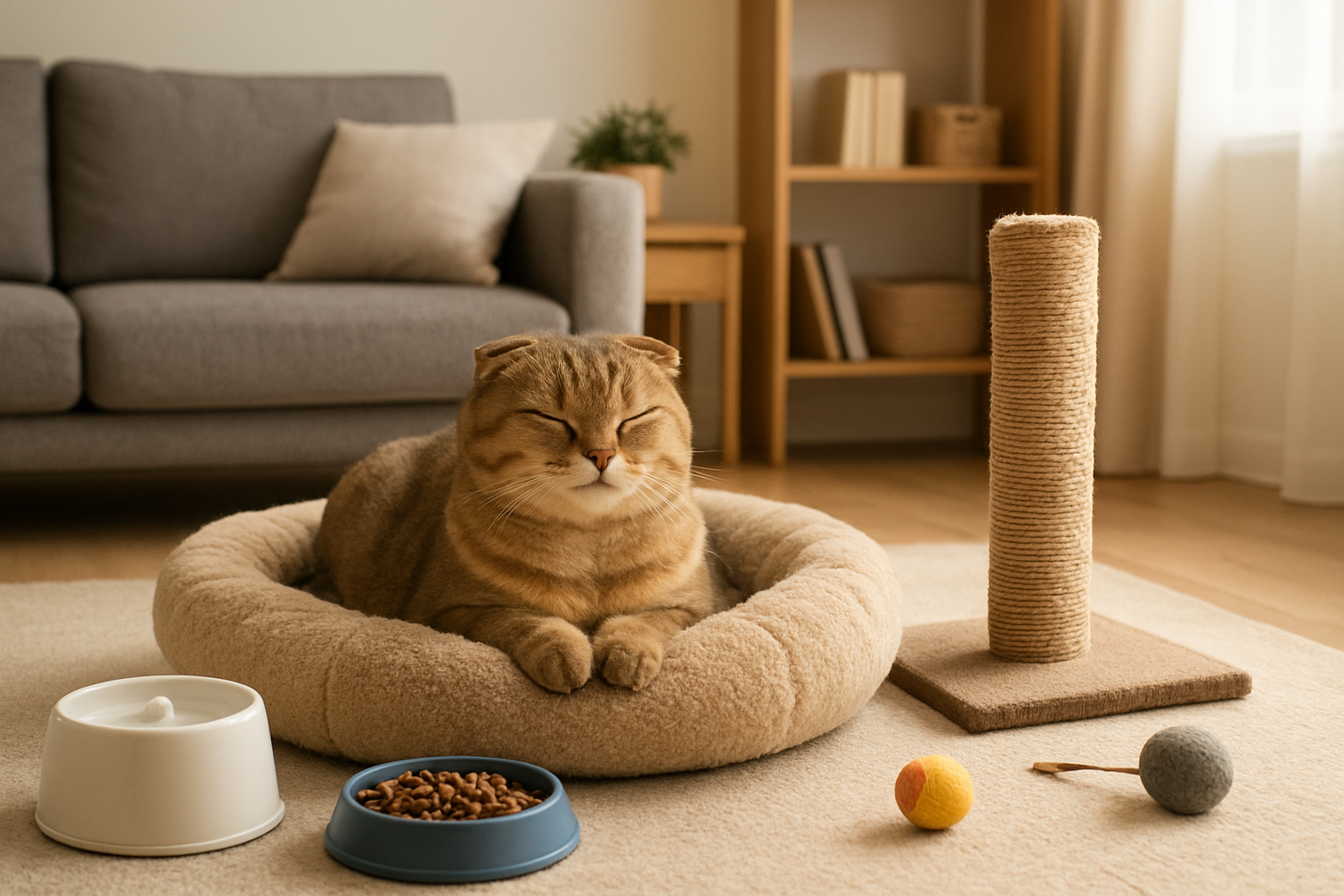
Scottish Fold cats make wonderful companions, but they’re not the right fit for every household. Their sweet temperament and unique folded ears come with serious health considerations that can’t be ignored. The genetic mutation responsible for their distinctive appearance also causes lifelong joint problems and potential pain. You’ll need to budget for higher veterinary costs, specialized care, and possibly expensive treatments down the road.
If you’ve decided a Scottish Fold is right for you after weighing these factors, take your time finding a responsible breeder who health tests their cats and provides proper documentation. Set up your home with cozy spaces, quality food, and regular vet checkups from day one. Remember that bringing home any cat is a 12-15 year commitment, so make sure you’re prepared for both the joys and challenges that come with this special breed.
Related Posts
10 of the smartest cat breeds to keep you on your toes
-
Posted by
Happy Kittens
One thought on “Things to Know About Scottish Fold Cat Before Buying”