

Blog
Maine Coon Pricing: How Much Should You Pay for a Maine Coon?

Maine Coon Pricing: How Much Should You Pay for a Maine Coon? (The Answer Will Shock You!)
Maine Coon cats are stealing hearts across the UK, but their price tags might leave you speechless. If you’re wondering how much you should pay for a Maine Coon, you’re not alone—these gentle giants command some of the highest prices in the cat world, and the reasons might surprise you.
This guide is for anyone considering adding a Maine Coon to their family, from first-time cat owners to experienced pet parents looking to upgrade to this majestic breed. We’ll break down the real costs behind Maine coon kittens for sale uk, so you can spot a fair deal from a mile away.
You’ll discover the key factors that can make Maine Coon pricing swing from hundreds to thousands of pounds, plus the sneaky hidden costs that many new owners never see coming. We’ll also share smart shopping strategies that help you find quality Maine Coons without getting ripped off, because knowing what drives these prices is your best defense against overpaying.
Understanding Maine Coon Cat Pricing Fundamentals
Average price ranges across different markets
Maine Coon pricing varies dramatically depending on your location and the type of breeder you choose. In the UK market, expect to pay anywhere from £600 to £2,500 for Maine coon kittens for sale uk from reputable breeders. The wide range reflects differences in breeding quality, registration status, and breeder reputation.
Budget-conscious buyers might find Maine Coons from £400-£800 through casual breeders or classified ads, but these often come with health risks and no guarantees. Mid-range pricing sits between £800-£1,500 for well-bred cats from established breeders who provide basic health testing and registration papers.
Premium Maine Coons from championship bloodlines or specialized catteries command £1,500-£3,000 or more. These cats typically come with extensive health testing, impressive pedigrees, and breeding rights if desired.
Regional pricing differences exist even within the UK. Urban areas like London and Manchester typically see higher prices due to increased demand and operating costs, while rural areas might offer more competitive pricing. Northern England and Scotland often have slightly lower average prices compared to southern regions.
International shipping adds another layer of cost consideration. Importing Maine Coons from European breeders might seem attractive, but factor in transport fees, health certificates, and quarantine requirements that can add £300-£800 to the total cost.
Why Maine Coons cost more than regular cats
The premium pricing of Maine Coons stems from their unique breeding requirements and inherent characteristics. These gentle giants demand significantly more resources during development compared to typical domestic cats.
Size alone drives up costs substantially. Maine Coon mothers require specialized nutrition during pregnancy and nursing to support larger litters of bigger kittens. A Maine Coon kitten consumes nearly double the food of a regular kitten during growth phases, extending from birth to 3-4 years old rather than the typical 12-18 months for most cats.
Breeding Maine Coons requires extensive health screening that other cat breeds don’t necessarily need. Responsible breeders invest in genetic testing for hypertrophic cardiomyopathy, hip dysplasia, and spinal muscular atrophy – tests that can cost £200-£500 per breeding cat. These screening programs help ensure healthy offspring but add significant overhead to breeding operations.
The Maine Coon’s slow maturation rate means breeders maintain kittens longer before sale. While most cats are ready for new homes at 8-12 weeks, Maine Coon kittens often stay with breeders until 12-16 weeks to ensure proper socialization and development. This extended care period increases feeding costs, veterinary expenses, and facility overhead.
Quality Maine Coon bloodlines are relatively rare, creating natural scarcity that drives prices upward. Established breeding programs take years to develop, and maintaining genetic diversity requires careful planning and sometimes expensive outcrossing with cats from distant bloodlines.
Price variations between pet-quality and show-quality cats
The distinction between pet-quality and show-quality Maine Coons creates a significant pricing gap that often surprises new buyers. Understanding these differences helps answer the question “how much should you pay for a Maine Coon” based on your specific needs.
Pet-quality Maine Coons typically range from £600-£1,200 and make excellent companions despite not meeting perfect breed standards. These cats might have minor cosmetic variations like slightly smaller ear tufts, less pronounced facial features, or coat patterns that don’t align with show preferences. They’re perfectly healthy and possess all the Maine Coon personality traits that make the breed beloved.
Show-quality Maine Coons command £1,500-£3,000+ because they exemplify breed standards in conformation, coat quality, and temperament. These cats have the dramatic ear tufts, substantial bone structure, flowing coats, and distinctive facial features that judges seek in competition rings.
Breeder-quality cats represent the highest tier, often priced £2,500-£5,000 or more. These exceptional individuals possess outstanding genetics, proven lineages, and the potential to improve breeding programs. They come with full breeding rights and often co-ownership agreements.
| Quality Level | Price Range | Characteristics |
|---|---|---|
| Pet Quality | £600-£1,200 | Minor cosmetic variations, spay/neuter required |
| Show Quality | £1,500-£3,000 | Excellent conformation, limited/no breeding rights |
| Breeder Quality | £2,500-£5,000+ | Superior genetics, full breeding rights |
The pricing difference reflects not just appearance but also the genetic value these cats bring to future breeding programs and their potential in competitive showing circuits.
Factors That Dramatically Impact Maine Coon Pricing
Breeder Reputation and Certification Credentials
The breeder you choose makes a massive difference in how much you should pay for a Maine Coon. Reputable breeders who are registered with organizations like TICA (The International Cat Association) or CFA (Cat Fanciers’ Association) typically charge premium prices – and for good reason. These breeders invest heavily in health testing, genetic screening, and proper socialization of their cats. Maine Coon pricing
Certified breeders often charge between £800-£2,500 for their Maine Coon kittens, while backyard breeders might advertise Maine coon kittens for sale UK at bargain prices of £200-£500. The difference? Professional breeders provide health guarantees, detailed vaccination records, and often lifetime support. They test breeding cats for common Maine Coon health issues like hypertrophic cardiomyopathy (HCM) and hip dysplasia.
Awards and show achievements also boost breeder credibility and pricing. A breeder whose cats consistently win at cat shows can command higher prices because they’ve proven their breeding program produces high-quality cats.
Bloodline Quality and Champion Lineage
Pedigree papers tell a story that directly translates to price. Maine Coons from championship bloodlines can cost £1,500-£4,000 or more. These cats come from parents and grandparents who’ve earned titles in cat shows, proving they meet breed standards for size, coat quality, temperament, and overall conformation.
The closer your kitten’s lineage to recent champions, the higher the price tag. A kitten whose parents are both grand champions will cost significantly more than one with no show titles in the family tree. Some bloodlines are particularly sought after for specific traits like exceptional size or stunning coat patterns.
Pet-quality Maine Coons from the same breeder typically cost £300-£800 less than show-quality cats, even though they come from identical bloodlines. The difference lies in minor imperfections that don’t affect the cat as a companion but would prevent success in the show ring. Maine Coon pricing
Geographic Location and Market Demand
How much does a Maine Coon cat cost in the UK? varies dramatically by region. London and surrounding areas see the highest prices due to increased demand and higher living costs for breeders. Northern England, Scotland, and Wales often have more competitive pricing.
Urban areas with limited breeders create seller’s markets where prices climb higher. Rural areas with multiple breeders nearby tend to have more reasonable pricing due to competition. Shipping costs also factor into the equation – importing a Maine Coon from another region or country can add £100-£500 to the total cost.
Seasonal demand affects pricing too. Spring and summer see higher demand as families prefer getting kittens during warmer months, driving prices up. Winter purchases often come with modest discounts. Maine Coon pricing
Age of the Cat When Purchased
Kitten prices peak at 8-12 weeks old when they’re ready for new homes. Older kittens (4-6 months) often come with reduced prices as breeders are eager to place them before they become too attached or require additional care.
Adult Maine Coons (1+ years) present unique pricing scenarios. Retired breeding cats might be available for £200-£800, offering mature cats at lower costs. However, young adults with proven breeding potential or show records can command premium prices exceeding £3,000. Maine Coon pricing
| Age Range | Typical Price Range | Special Considerations |
|---|---|---|
| 8-16 weeks | £800-£2,500 | Peak demand period |
| 4-6 months | £600-£2,000 | Slight discount for older kittens |
| 1-3 years | £200-£3,000+ | Varies by breeding/show potential |
| 3+ years | £100-£800 | Mostly retired breeding cats |
Hidden Costs Every Maine Coon Owner Must Budget For
Initial veterinary examinations and vaccinations
Your new Maine Coon needs comprehensive health screening right from day one. Budget £200-400 for initial veterinary visits during the first year. This includes mandatory vaccinations, microchipping, and health assessments. Maine Coons require specific genetic testing for hypertrophic cardiomyopathy (HCM) and hip dysplasia screening, which costs an additional £150-300. Maine Coon pricing
Most reputable breeders provide initial vaccinations, but you’ll need booster shots throughout your cat’s life. Annual vaccination costs range from £80-120, depending on your location and veterinary practice. Don’t forget about worming treatments and flea prevention, adding another £60-100 annually.
Premium food requirements for large breed cats
Maine Coons demand high-quality nutrition to support their impressive size and energy levels. Adult males can weigh 13-18 pounds, requiring significantly more food than average cats. Premium cat food specifically formulated for large breeds costs £40-60 monthly. Maine Coon pricing
Your Maine Coon’s dietary needs change throughout their lifespan. Kittens need nutrient-dense growth formulas, while senior cats require specialized diets for joint health. Cheap supermarket brands won’t meet their nutritional requirements and could lead to health issues down the road.
Monthly Food Costs by Life Stage:
-
Kitten (0-12 months): £50-70
-
Adult (1-7 years): £40-60
-
Senior (8+ years): £45-65
Grooming supplies and professional grooming costs
Maine Coons sport magnificent double coats that require daily maintenance. Invest in quality grooming tools: slicker brushes (£15-25), metal combs (£10-15), and de-shedding tools (£20-40). Replace these tools every 12-18 months as they wear down.
Professional grooming every 6-8 weeks prevents matting and reduces shedding. Expect to pay £50-80 per session for a full-service grooming appointment. Some owners learn basic trimming techniques to reduce professional grooming frequency, but nail clipping and sanitary trims still require expertise.
Regular grooming supplies add up quickly. Shampoos, conditioners, and ear cleaning solutions cost £30-50 every few months. Don’t overlook nail clippers, dental care products, and lint rollers for your furniture. Maine Coon pricing
Pet insurance considerations for genetic health issues
Maine Coons face specific genetic predispositions that make pet insurance almost essential. Hip dysplasia, HCM, and spinal muscular atrophy treatments can cost thousands of pounds. Comprehensive insurance plans range from £25-60 monthly, depending on coverage levels and your cat’s age.
Start insurance coverage while your Maine Coon is young and healthy. Pre-existing conditions won’t be covered, and premiums increase with age. Some policies offer specific coverage for hereditary conditions, which is particularly valuable for this breed. Maine Coon pricing
Compare insurance providers carefully. Look for policies covering genetic conditions, with lifetime limits of at least £10,000 per condition. The annual excess and percentage co-pays significantly impact your out-of-pocket costs during claims.
Red Flags That Signal Overpriced Maine Coons
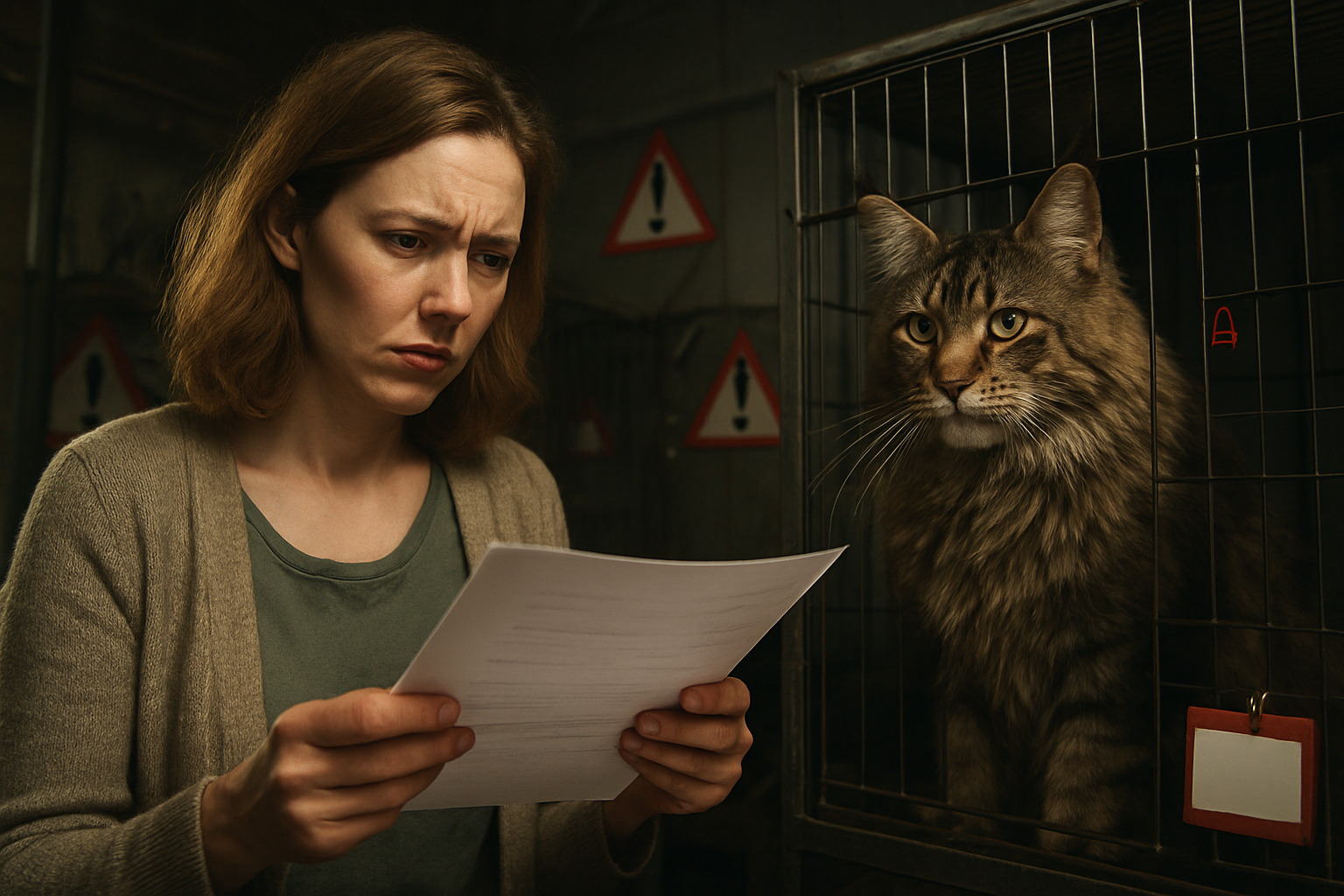
Unrealistic Pricing Without Proper Documentation
When you’re hunting for Maine coon kittens for sale UK, watch out for breeders charging premium prices without backing them up with solid paperwork. Legitimate breeders who ask top dollar will have mountains of documentation to justify their rates. Think detailed pedigree charts going back several generations, championship titles, breeding records, and clear lineage tracking.
Sketchy sellers often throw around impressive-sounding numbers – “champion bloodline,” “rare coloring,” or “show quality” – without providing any actual proof. They’ll demand £1,500 to £3,000 but get evasive when you ask to see registration papers or health certificates. Real champions have tangible evidence: show ribbons, judging scorecards, and official recognition from cat associations.
Price inflation without documentation is especially common online. Scammers know buyers get excited about beautiful photos and fancy descriptions. They’ll claim their cats come from “European champion lines” or “exclusive bloodlines” but can’t produce a single certificate to back these claims. Always demand to see original documentation before agreeing to any price above average market rates. Maine Coon pricing
Lack of Health Testing and Genetic Screening
Maine Coons are prone to specific genetic conditions like hypertrophic cardiomyopathy (HCM), polycystic kidney disease (PKD), and spinal muscular atrophy (SMA). Responsible breeders invest heavily in testing their breeding cats for these conditions – and this testing costs money. When someone quotes you bargain prices but hasn’t done any health screening, you’re looking at a massive red flag.
Professional health testing includes annual cardiac ultrasounds, genetic testing through laboratories, and regular veterinary checkups. These tests can cost breeders £300-£500 per cat annually. Breeders who skip this crucial step either don’t understand responsible breeding or they’re cutting corners to maximize profits.
Ask potential breeders about their health testing protocols. They should provide you with copies of health certificates, genetic test results, and veterinary records. If they brush off health questions or claim “our cats are naturally healthy,” run the other direction. The money you save upfront will pale in comparison to potential veterinary bills down the road.
Smart buyers also research what specific tests are recommended for Maine Coons in the UK. Different regions have varying standards, but cardiac screening and genetic testing are non-negotiable minimums.
No Breeding Rights or Registration Papers Included
Here’s where many buyers get caught off guard: registration papers and breeding rights significantly impact a cat’s value, but some sellers price their cats as if these items are included when they’re not. Pet-quality Maine Coons without breeding rights typically cost £800-£1,200, while cats with full breeding rights can command £2,000-£4,000 or more.
Unscrupulous sellers quote breeding-quality prices but only provide limited registration (pet-only) or no papers at all. They’ll say things like “papers are optional” or “we can discuss registration later” – classic stalling tactics. Legitimate breeders are upfront about what type of registration comes with each kitten and price accordingly.
Registration papers aren’t just fancy certificates – they prove your cat’s authenticity and breeding potential. Major cat registries like GCCF (Governing Council of the Cat Fancy) or TICA (The International Cat Association) maintain strict standards. Cats without proper registration may not actually be purebred Maine Coons, regardless of their appearance.
Before committing to any purchase, clarify exactly what paperwork you’ll receive. Get written confirmation about registration type, breeding rights, and any restrictions. Don’t let sellers inflate prices based on promises of paperwork they can’t or won’t deliver. Maine Coon pricing
Smart Shopping Strategies to Find Fairly Priced Maine Coons

Researching Reputable Breeders in Your Area
Finding a trustworthy breeder is your first line of defense against overpaying for your Maine Coon. Start by checking breed-specific registries like The International Cat Association (TICA) or the Cat Fanciers’ Association (CFA). These organizations maintain directories of registered breeders who follow ethical breeding practices.
Look for breeders who welcome visits to their facilities and openly discuss their breeding program. Red flags include breeders who refuse in-person meetings, have multiple litters available year-round, or can’t provide health testing documentation for parent cats. Quality breeders typically have waiting lists and only produce 1-2 litters annually.
Social media groups and local cat shows offer excellent networking opportunities. Maine Coon enthusiasts often share breeder recommendations and warn about problematic sellers. Don’t hesitate to ask for references from previous buyers – reputable breeders proudly share customer testimonials.
Understanding Contract Terms and Health Guarantees
Maine Coon contracts vary significantly between breeders, directly impacting your purchase value. Quality breeders provide comprehensive health guarantees covering genetic conditions like hypertrophic cardiomyopathy (HCM) and hip dysplasia for at least one year, with some extending to two years.
Review spay/neuter requirements carefully. Some breeders offer “pet quality” cats at lower prices with mandatory sterilization clauses, while “breeding rights” command premium pricing. Understand the difference – breeding rights can add £500-£1,500 to your final cost. Maine Coon pricing
Return policies protect your investment. Ethical breeders accept cats back if circumstances change, preventing you from losing money through hasty rehoming decisions. Avoid contracts with excessive restrictions or unreasonable health guarantee limitations that shift risk entirely to you.
Timing Your Purchase for Optimal Pricing
Strategic timing can save hundreds on your Maine Coon purchase. Kitten season typically peaks in spring and early summer, creating higher demand and elevated prices. Consider adopting during fall or winter months when fewer buyers compete for available kittens.
Adult cats often cost significantly less than kittens. Retired breeding cats, young adults, or cats returned by previous owners may be available at 30-50% below kitten prices while still offering years of companionship. These cats often come fully socialized and may already be spayed or neutered.
Holiday periods see increased demand, particularly before Christmas. Avoid purchasing during these peak times unless you’re prepared to pay premium prices. Instead, place deposits during slower periods for future litters.
Evaluating Adoption Options Versus Breeder Purchases
Maine Coon rescues and shelters offer substantial savings compared to breeder purchases. Adoption fees typically range from £100-£400, dramatically lower than breeder prices of £800-£2,000. Many rescued Maine Coons are already spayed/neutered and vaccinated, providing additional value.
Purebred rescues specifically focus on Maine Coons and similar breeds. These organizations often have detailed information about each cat’s background, temperament, and health status. Some rescued cats come from breeding programs or are owner surrenders due to life changes rather than behavioral issues.
Consider the trade-offs carefully. Rescued cats may have unknown genetic backgrounds or previous trauma, while breeder cats offer predictable lineage and early socialization. Both options can provide wonderful companions – your choice depends on priorities and risk tolerance.
Negotiating Payment Plans and Deposit Structures
Many reputable breeders offer flexible payment arrangements that make Maine Coon ownership more accessible. Standard deposit amounts range from £200-£500, with the balance due at pickup. Some breeders accept monthly payment plans over 6-12 months, though interest may apply.
When considering how much you should pay for a Maine Coon, remember that payment flexibility often indicates breeder confidence in their cats. Discuss options upfront – some breeders reduce final prices for full advance payment or offer discounts for referrals that result in sales.
Document all payment arrangements in writing. Ensure refund policies are clear if health issues arise or breeding plans change. Avoid breeders demanding full payment months in advance without strong guarantees, as this creates unnecessary financial risk for buyers. Maine Coon pricing
Long-Term Investment Value of Maine Coon Ownership
Lifespan considerations and cost per year analysis
Maine Coons typically live between 12-15 years, making them a long-term commitment that can span over a decade. When you break down the initial cost of purchasing a Maine Coon alongside ongoing expenses, the yearly investment becomes surprisingly reasonable.
What is the lifespan of a Maine Coon cat? These gentle giants usually enjoy healthy lives extending 12-15 years with proper care, though some have been known to reach 17-18 years. This extended lifespan means your upfront investment gets distributed across many years of companionship.
Consider this cost breakdown over a 13-year average lifespan:
| Expense Category | Initial Cost | Annual Cost | 13-Year Total |
|---|---|---|---|
| Purchase Price | £800-£2,000 | – | £800-£2,000 |
| Food | – | £300-£500 | £3,900-£6,500 |
| Veterinary Care | – | £200-£400 | £2,600-£5,200 |
| Insurance | – | £150-£300 | £1,950-£3,900 |
| Grooming/Supplies | – | £100-£200 | £1,300-£2,600 |
Total 13-year investment: £10,550-£20,200
Annual cost: £810-£1,555
This analysis reveals that even premium Maine Coons cost roughly £2-4 per day over their lifetime – less than your daily coffee habit.
Breeding potential return on investment
High-quality Maine Coons from champion bloodlines can offer substantial breeding opportunities for dedicated enthusiasts. Registered breeding cats command premium prices, with proven breeding females potentially producing 2-3 litters annually.
Maine coon kittens for sale uk consistently fetch £600-£1,500 each, depending on pedigree and show quality. A single litter of 4-6 kittens can generate £2,400-£9,000 in revenue. However, breeding requires significant investment in:
-
Health testing and genetic screening
-
Show participation and titling
-
Professional breeding facilities
-
Veterinary support during pregnancy and delivery
-
Registration fees and documentation
Serious breeders often reinvest profits back into their programs, but those with exceptional breeding stock can see returns that offset their initial investment within 2-3 years.
Emotional and companionship benefits that justify costs
What are the pros and cons of a Maine Coon? While the financial investment is substantial, the emotional returns are immeasurable. Maine Coons offer unique benefits that traditional cost analyses can’t capture:
Their dog-like personalities create bonds that rival any pet relationship. These cats follow you around the house, greet you at the door, and engage in actual conversations with their distinctive chirps and trills. Many owners describe their Maine Coons as emotional support animals without formal certification.
The therapeutic value alone justifies the expense for many families. Studies show pet ownership reduces stress hormones, lowers blood pressure, and combats depression. Maine Coons excel at reading human emotions and providing comfort during difficult times.
Their impressive size and striking appearance also bring pride of ownership that smaller breeds simply can’t match. Guests consistently marvel at these magnificent cats, making them wonderful conversation starters and sources of family pride.
The loyalty factor sets Maine Coons apart from other feline breeds. While most cats are independent, Maine Coons genuinely miss their owners and demonstrate excitement upon reunion. This emotional connection creates memories that last far beyond their 13-year average lifespan, making every penny invested feel worthwhile.
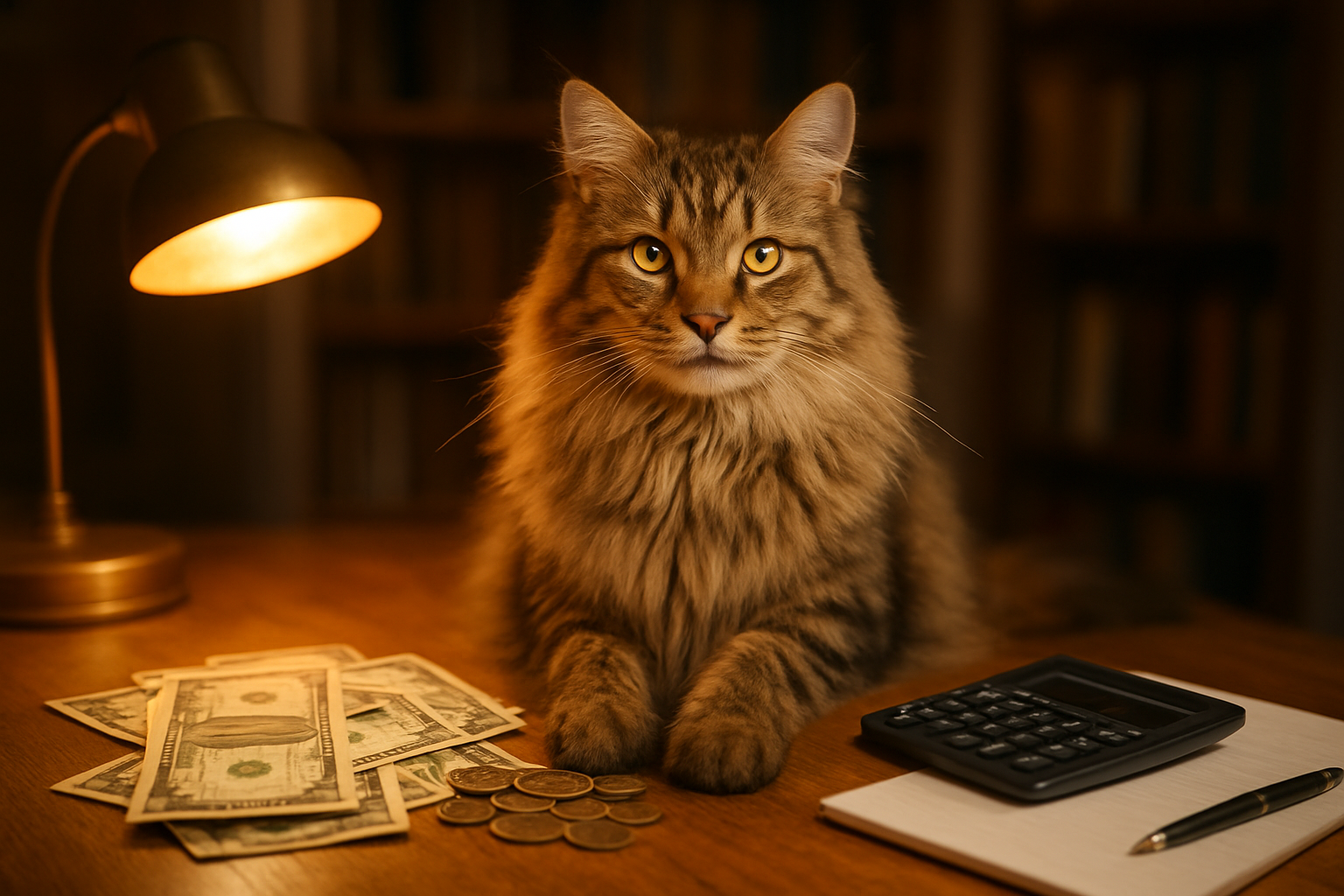
Maine Coon prices can swing wildly from a few hundred to several thousand dollars, but now you know exactly what drives these differences. The breeder’s reputation, the cat’s bloodline, health testing, and location all play huge roles in determining that final price tag. Don’t forget about those sneaky hidden costs like premium food, grooming supplies, and vet bills that can add up fast over your cat’s 12-15 year lifespan.
Smart Maine Coon pricing means doing your homework and avoiding those red flags we covered. Skip the backyard breeders with rock-bottom prices and puppy mill operations that seem too good to be true. Instead, find reputable breeders who health test their cats, provide proper documentation, and genuinely care about their kittens’ futures. Yes, you’ll pay more upfront, but you’re investing in a healthier, happier companion who’ll bring you years of joy without breaking the bank on medical bills down the road. Maine Coon Pricing Shock
Maine Coon pricing | Maine Coon pricing | Maine Coon pricing | Maine Coon pricing | Maine Coon pricing | Maine Coon pricing | Maine Coon pricing | Maine Coon pricing | Maine Coon pricing | Maine Coon pricing | Maine Coon pricing | Maine Coon pricing | Maine Coon pricing | Maine Coon pricing | Maine Coon pricing | Maine Coon pricing | Maine Coon pricing | Maine Coon pricing