

Blog
bengal kittens scotland uk bengal cats scotland
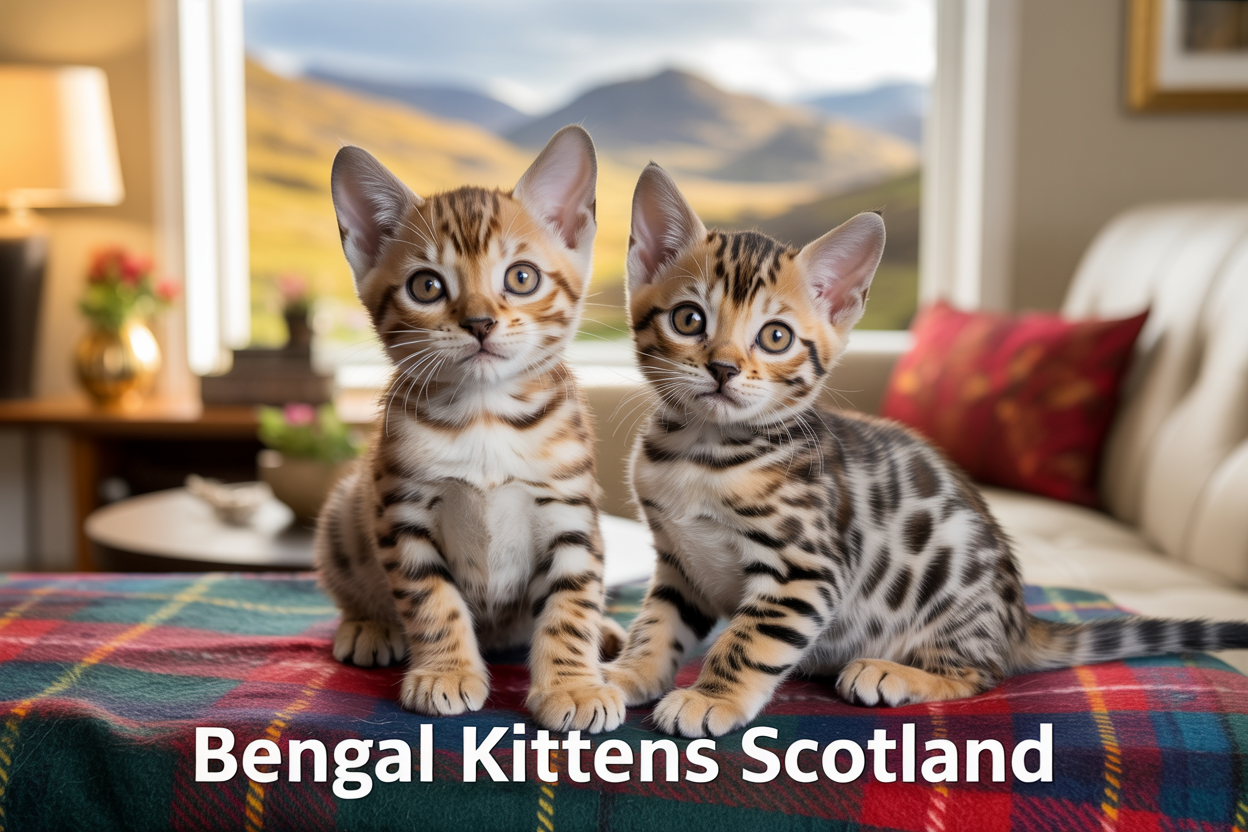
Bengal Kittens for Sale in Scotland UK
Looking for Bengal kittens Scotland UK Bengal cats Scotland? You’ve come to the right place. This guide is designed for Scottish cat lovers who want to bring home one of these stunning exotic Bengal cats.
Bengal cats are absolutely gorgeous with their wild leopard-like spots and incredibly playful personalities. But before you fall head over heels for those adorable photos online, there’s quite a bit you need to know about welcoming one of these energetic felines into your Scottish home.
We’ll walk you through everything you need to understand about Bengal cat characteristics so you know exactly what you’re signing up for – these aren’t your typical lap cats! You’ll also discover how to find trusted Bengal breeders in Scotland who prioritize health and temperament over quick profits. Finally, we’ll cover the practical side of Bengal kitten care, including how Scotland’s climate affects these cats and what legal requirements you need to handle for Bengal ownership in the UK.
Understanding Bengal Cat Characteristics and Temperament
Distinctive Wild-Looking Coat Patterns and Colors
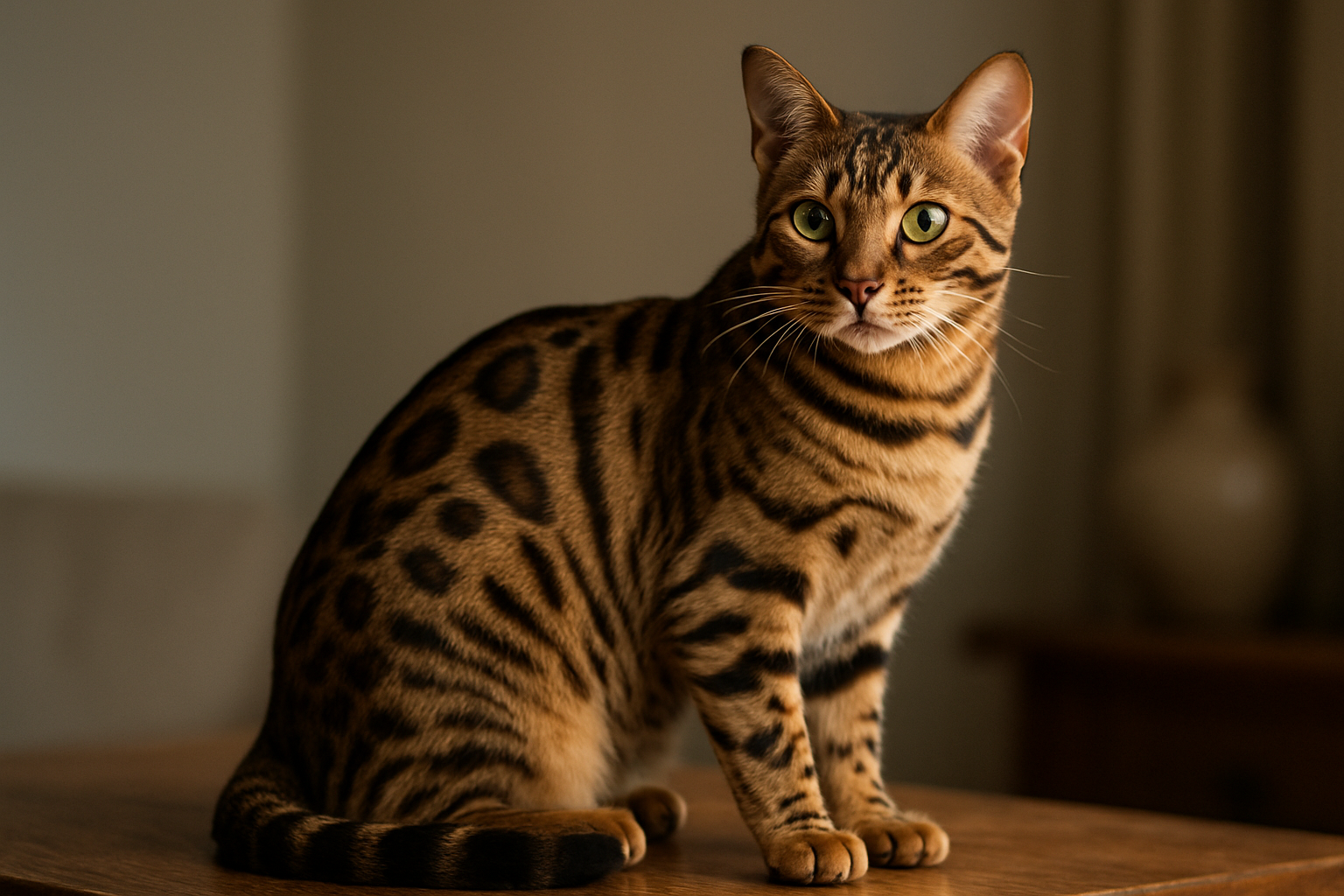
Bengal cats showcase some of the most striking coat patterns you’ll find in the feline world. Their rosettes come in two main varieties: single-color rosettes that appear as solid circles, and the more prized two-color rosettes featuring darker outlines with contrasting centers. These rosettes should be distinct and randomly distributed across the body, never forming vertical stripes.
The marbled Bengal pattern creates a flowing, horizontal design that resembles liquid marble poured across the cat’s coat. This pattern should show good contrast and avoid the bullseye appearance that’s considered less desirable in breeding standards.
Color variations include the classic brown tabby with its rich golden to orange base, the stunning silver Bengal with its stark black markings on silver-white ground, and the rarer snow Bengals that come in three genetic variations: seal lynx point, seal mink, and seal sepia.
The coat texture feels incredibly soft and luxurious, often described as having a silk-like quality. Many Bengals also display glitter – a translucent tip on each hair shaft that creates an almost luminescent sheen under light.
High Energy Levels and Exercise Requirements
Bengals are athletic powerhouses that need substantial daily activity to stay happy and healthy. These cats can leap up to three times their body length and love climbing to the highest points in your home. Without proper outlets for their energy, they may develop destructive behaviors like scratching furniture or knocking items off shelves.
Plan for at least 30-60 minutes of active play daily. Interactive toys that mimic hunting behaviors work best – feather wands, laser pointers, and motorized mice keep them engaged. Many Bengals enjoy puzzle feeders that make them work for their meals, satisfying both their hunting instincts and mental stimulation needs.
Creating vertical spaces with tall cat trees, wall-mounted shelves, and climbing towers gives them appropriate outlets for their natural desire to climb and survey their territory from above. Some owners even build elaborate cat highways along their walls.
Water play appeals to many Bengals, who may join you in the shower or play with dripping faucets. Providing a pet water fountain can offer both entertainment and encourage proper hydration.
Intelligence and Trainability Benefits
Bengal intelligence rivals that of dogs in many ways. They quickly learn routines, recognize their names, and can master complex tricks. Many Bengals learn to fetch, sit on command, and even walk on leashes with proper training.
Their problem-solving abilities are remarkable – they’ll figure out how to open cabinets, turn on faucets, and manipulate door handles. This intelligence requires mental challenges to prevent boredom. Puzzle toys, treat-dispensing balls, and rotating toy selections keep their minds engaged.
Bengals excel at clicker training, responding well to positive reinforcement methods. Start training sessions when they’re young, keeping them short (5-10 minutes) but frequent. They can learn to use toilets, perform agility courses, and even respond to multiple commands.
Their memory is exceptional – they remember favorite hiding spots, daily routines, and can hold grudges if they feel wronged. This intelligence makes them highly adaptable but also means they need owners who can match their mental stimulation needs.
Social Nature and Family Compatibility
Despite their wild appearance, Bengals are remarkably social cats that form strong bonds with their human families. They often choose a favorite person but generally enjoy attention from all family members. These cats typically follow their owners around the house, wanting to be involved in daily activities.
Bengals usually do well with children, especially older kids who can match their energy levels and play appropriately. Their patient nature and playful personality make them excellent companions for active families. However, their size and energy might overwhelm very small children during play sessions.
They often get along well with other pets when properly introduced. Many Bengals enjoy having a feline companion to play with, particularly another active breed. They may also coexist peacefully with dogs, especially if raised together from a young age.
These cats are quite vocal, using various chirps, trills, and meows to communicate with their families. They’re not typically lap cats but show affection through head bonding, following behavior, and bringing “gifts” to their favorite humans. Bengals can become stressed or destructive when left alone for extended periods, making them better suited for families where someone is usually home.
Finding Reputable Bengal Breeders in Scotland
Researching TICA and GCCF Registered Catteries
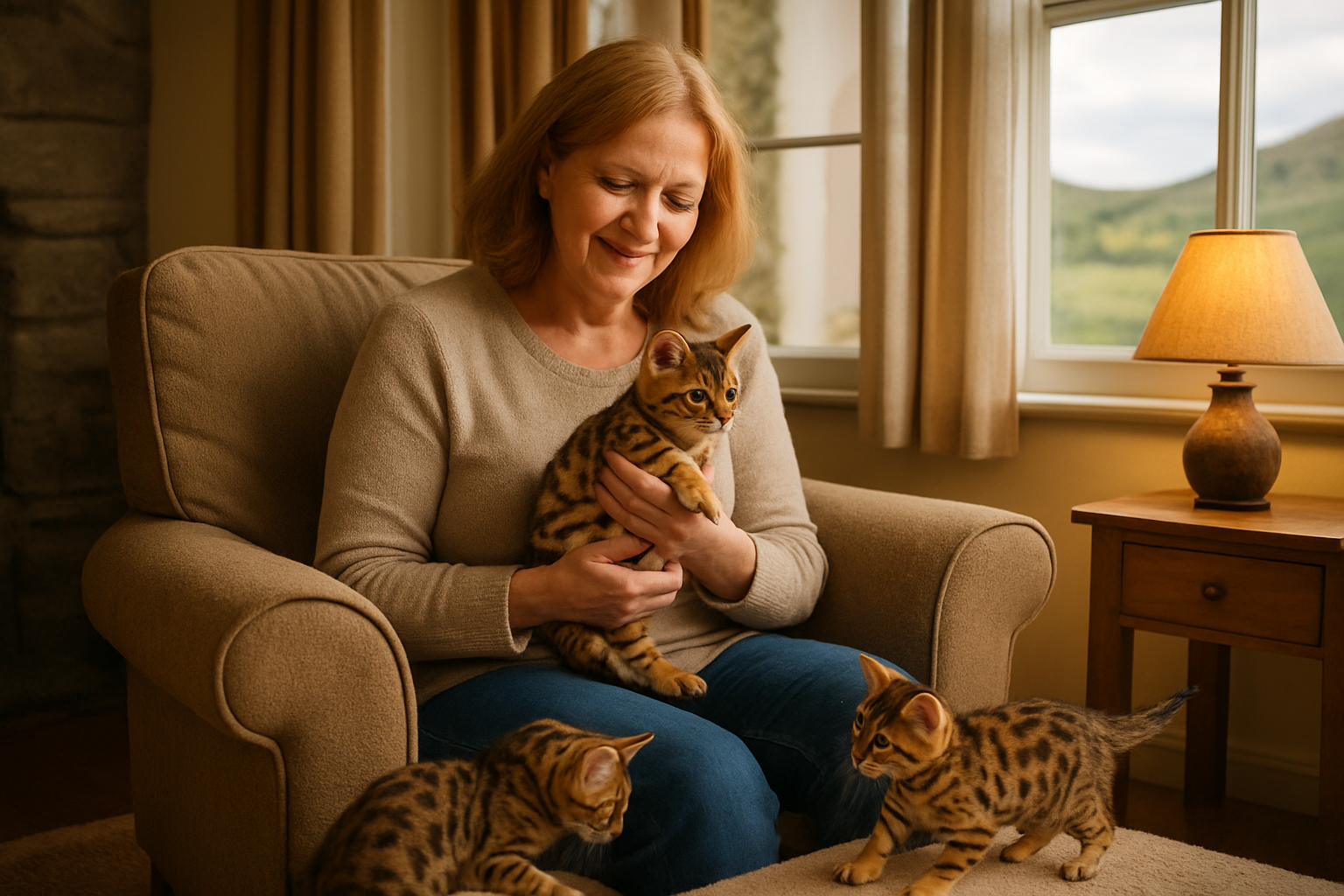
Start your search with catteries registered through The International Cat Association (TICA) or the Governing Council of the Cat Fancy (GCCF). These organizations maintain strict breeding standards and require members to follow ethical guidelines. Check their official websites for breeder directories specific to Scotland and the UK.
TICA-registered breeders typically focus on maintaining the Bengal’s wild appearance and athletic build, while GCCF-registered catteries emphasize health testing and temperament. Both registrations require detailed pedigree documentation and regular inspections. Look for breeders displaying their registration numbers prominently on websites and marketing materials.
Contact multiple catteries to compare their approaches. Ask about their breeding philosophy, years of experience, and any awards or recognition they’ve received. Established breeders often have waiting lists, which can actually be a positive sign indicating high demand for their quality kittens.
Evaluating Breeder Health Testing Practices
Quality Bengal breeders conduct comprehensive health testing on all breeding cats. Essential tests include screening for hypertrophic cardiomyopathy (HCM), progressive retinal atrophy (PRA), and pyruvate kinase deficiency (PK-def) – genetic conditions that can affect Bengals.
Request to see current health certificates and genetic testing results for both parent cats. Reputable breeders gladly share this information and can explain what each test means. They should also provide hip scoring results, as Bengals can be prone to hip dysplasia.
Ask about their testing schedule and which laboratories they use. Many Scottish breeders work with Animal Health Trust or other recognized genetic testing facilities. Annual heart scans and eye examinations should be standard practice for breeding cats.
| Health Test | Purpose | Frequency |
|---|---|---|
| HCM Screening | Heart disease detection | Annual |
| PRA Testing | Eye disease prevention | Once (genetic) |
| PK-def Testing | Anemia prevention | Once (genetic) |
| Hip Scoring | Joint health assessment | Once |
Visiting Facilities and Meeting Parent Cats
Schedule visits to see the cattery environment firsthand. Clean, spacious facilities with plenty of natural light and enrichment activities indicate a breeder who prioritizes cat welfare. The cats should appear healthy, well-socialized, and comfortable around visitors.
Meeting the mother cat is particularly important, as kittens often inherit temperament traits from their dam. She should be friendly, alert, and show no signs of stress or aggression. If the father cat lives on-site, meeting him provides additional insight into potential personality traits.
Observe how the breeder interacts with their cats. They should demonstrate genuine affection and knowledge about each cat’s individual personality. Ask about socialization practices – quality breeders expose kittens to various sounds, textures, and experiences during their critical development period.
Pay attention to the overall atmosphere. Cats should have access to multiple levels, hiding spots, and toys. The breeding cats shouldn’t appear overworked or stressed, and the breeder should limit the number of litters produced annually.
Understanding Breeding Ethics and Standards
Ethical Bengal breeders follow strict guidelines about breeding frequency, age requirements, and genetic diversity. Queens should not be bred on consecutive heat cycles and should retire from breeding by age 5-6. Responsible breeders maintain detailed records of lineages to avoid inbreeding.
Ask about the breeder’s policy on breeding rights and contracts. Most quality breeders sell pet-quality kittens with spay/neuter agreements, while breeding rights cost significantly more and come with additional requirements.
Inquire about their stance on early-age spaying and neutering. Many Scottish breeders perform these procedures before kittens leave for their new homes, ensuring compliance with pet contracts and preventing unwanted breeding.
Look for breeders who screen potential buyers carefully. They should ask detailed questions about your lifestyle, experience with cats, and long-term commitment. Quality breeders want to ensure their kittens go to suitable homes and often maintain lifelong relationships with kitten buyers.
Comparing Prices and What’s Included
Bengal kitten prices in Scotland typically range from £800-£2000, depending on quality, generation, and markings. Show-quality kittens with exceptional patterns command higher prices, while pet-quality kittens with minor imperfections cost less but make equally wonderful companions.
Compare what each breeder includes in their package. Most reputable breeders provide initial vaccinations, microchipping, health certificates, and GCCF or TICA registration papers. Some include starter food supplies, blankets with mother’s scent, or small toys.
Ask about health guarantees and what conditions they cover. Quality breeders typically offer guarantees against genetic defects for the first year of life and may require specific veterinary care or food brands to maintain coverage.
Consider the total investment beyond the initial purchase price. Factor in ongoing costs for premium food, regular veterinary care, and potential boarding expenses. Some breeders offer discounts for multiple kitten purchases or returning customers, which can provide additional value for dedicated Bengal enthusiasts.
Preparing Your Home for a Bengal Kitten
Essential Supplies and Equipment Checklist
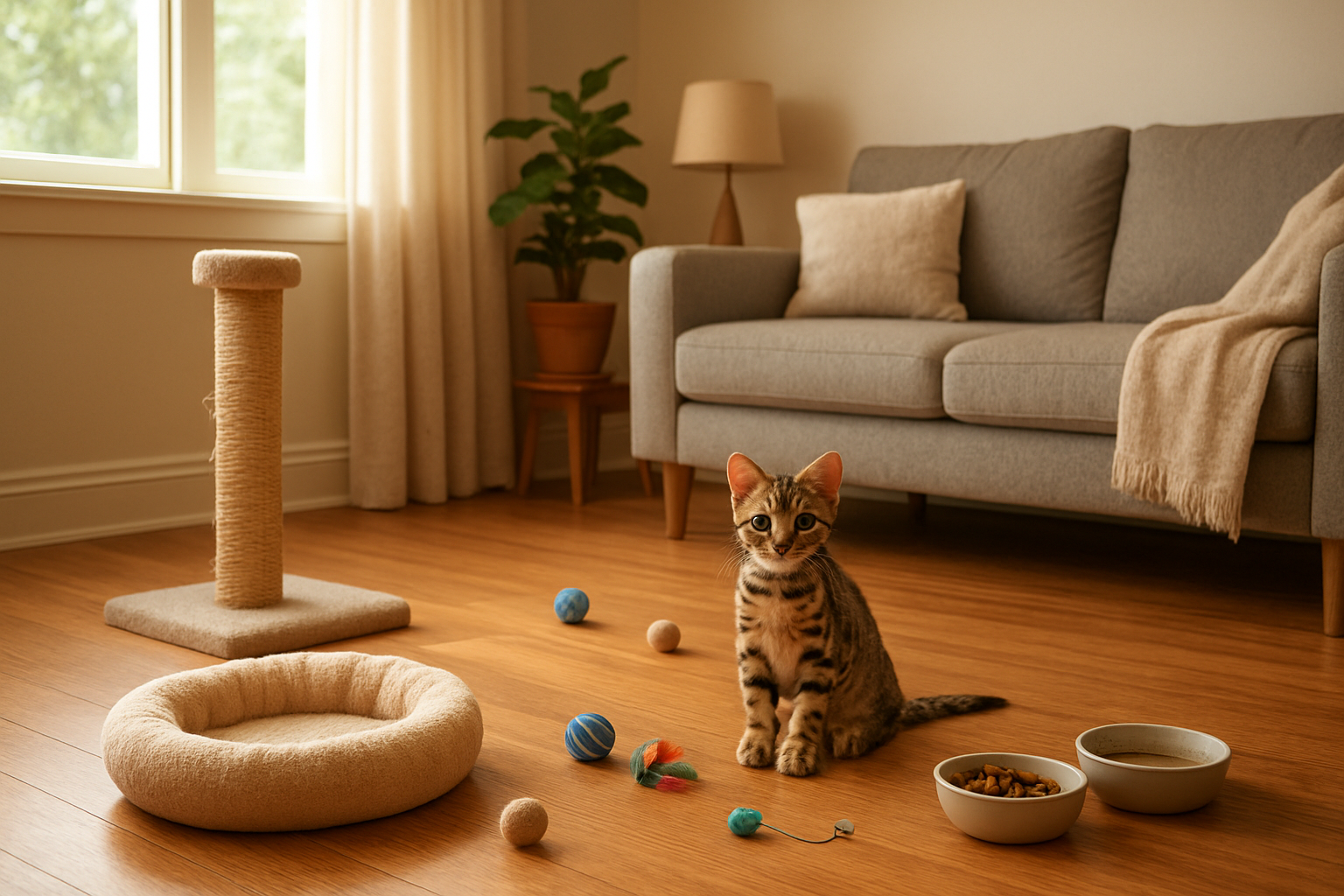
Bengal kittens arrive with endless energy and curiosity, so having the right supplies ready makes all the difference. Start with a sturdy, spacious litter box – Bengals grow quickly and need room to move. Choose clumping, unscented litter since many cats prefer it. You’ll need separate food and water bowls, preferably stainless steel or ceramic to avoid plastic allergies.
A high-quality scratching post is non-negotiable. Bengals have powerful claws and strong scratching instincts, so invest in a tall, stable post covered in sisal rope. Add horizontal scratching pads too, as many Bengals enjoy variety in their scratching surfaces.
For sleeping, provide a cozy cat bed, though don’t be surprised if your Bengal prefers your bed instead. A sturdy cat carrier is essential for vet visits and travel. Choose one that’s airline-approved if you plan to travel with your cat.
Stock up on interactive toys – feather wands, puzzle feeders, and balls with bells inside work well. Bengals need mental stimulation, so rotating toys keeps them engaged. A cat tree or climbing structure gives them vertical space to explore.
| Essential Item | Why It’s Important | Recommended Type |
|---|---|---|
| Litter Box | Large breed needs space | High-sided, spacious |
| Scratching Post | Prevents furniture damage | Tall sisal post |
| Interactive Toys | Mental stimulation | Puzzle feeders, wand toys |
| Cat Carrier | Safe transport | Hard-sided, secure |
Cat-Proofing Your Space for Active Breeds
Bengals are natural athletes and climbers, so standard cat-proofing won’t cut it. These cats can leap impressive heights and squeeze into spaces you’d never expect. Start by securing all cabinets, especially those containing cleaning supplies, medications, or toxic foods like chocolate and onions.
Check every window screen for stability – Bengals are notorious for pushing through weak screens. Install pet-proof window guards or ensure screens are reinforced. Remove or secure any breakable items from shelves, countertops, and tall furniture. Your Bengal will likely explore these surfaces regularly.
Electrical cords need special attention. Use cord protectors or hide cables completely, as some Bengals enjoy chewing. Secure houseplants, as many common varieties like lilies, philodendrons, and poinsettias are toxic to cats. Even seemingly safe plants might get destroyed by an overly enthusiastic Bengal.
Lock away small objects that could become choking hazards – hair ties, jewelry, rubber bands, and craft supplies. Bengals are particularly drawn to anything that moves or makes noise. Secure loose carpet edges and check that all furniture is stable enough to handle a climbing, jumping cat.
Consider the kitchen carefully. Child-proof locks on lower cabinets work well for curious Bengals. Keep knives secured and ensure the stove has covers when not in use.
Creating Stimulating Indoor Environments
Bengals thrive with plenty of mental and physical stimulation, making environmental enrichment crucial for their happiness. Vertical spaces are your best friend – install cat shelves, wall-mounted perches, or invest in a floor-to-ceiling cat tree. These cats love surveying their territory from high vantage points.
Create hunting opportunities through food puzzles and treat-dispensing toys. Hide small portions of dry food around the house to encourage natural foraging behavior. Puzzle feeders slow down eating while engaging their problem-solving skills.
Rotate toys weekly to maintain novelty. Bengals get bored easily, so keeping a stash of toys and switching them out prevents this issue. Motion-activated toys work particularly well when you’re not home to provide entertainment.
Water features appeal to many Bengals, who often enjoy playing with running water. A pet water fountain satisfies this interest while encouraging proper hydration. Some owners install small indoor water features specifically for their Bengals.
Consider creating different “zones” in your home – a quiet resting area, an active play space, and a feeding station. This gives your Bengal options and helps establish routines. Window perches with bird feeders outside provide hours of entertainment, often called “cat TV” by Bengal owners.
Background sounds like nature recordings or cat-specific music can provide auditory stimulation when you’re away. Some Bengals even enjoy watching videos designed for cats, featuring birds, fish, or small prey animals.
Health Considerations and Veterinary Care
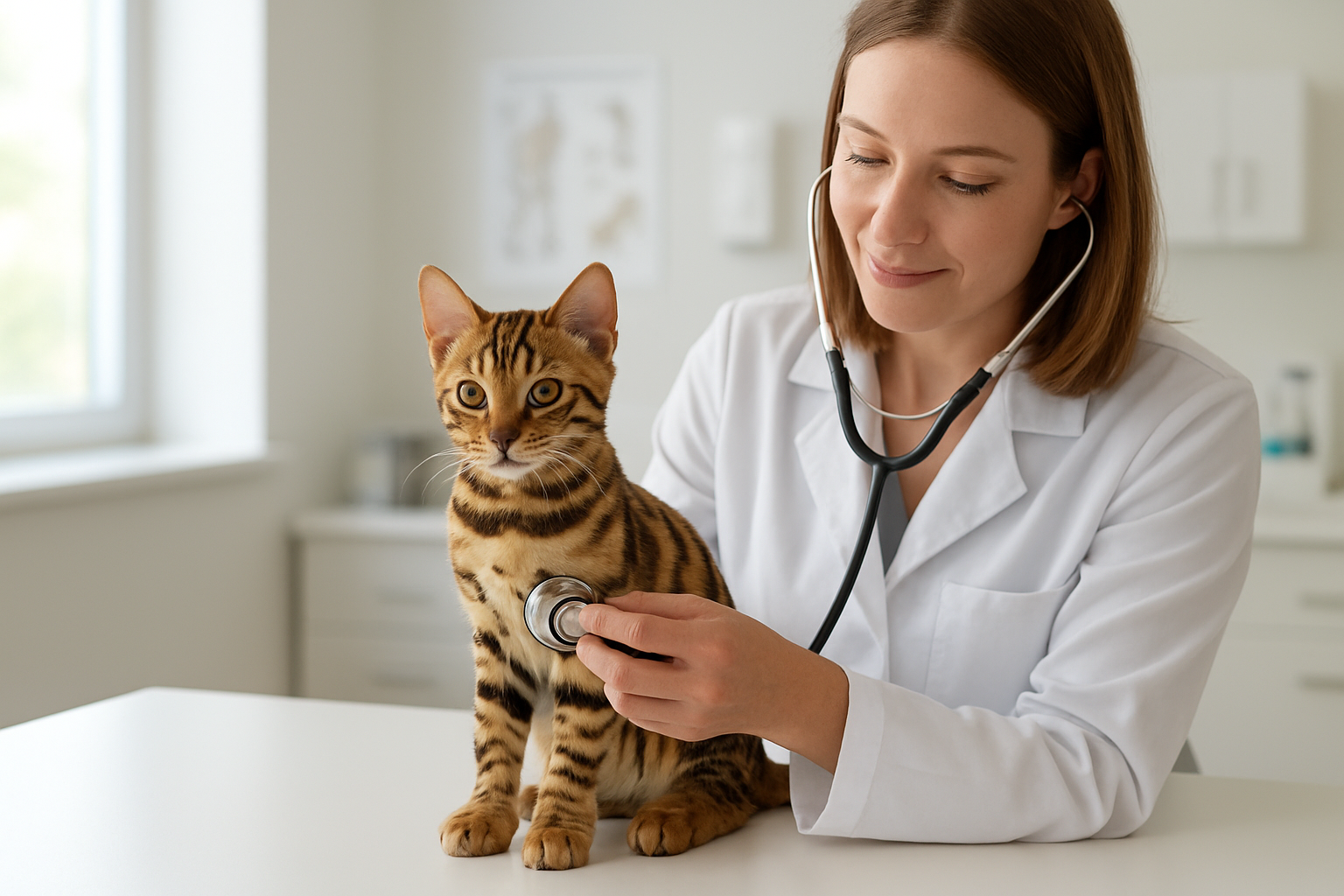
Common Bengal Health Issues to Monitor
Bengal cats are generally robust, but they carry specific genetic predispositions that require vigilant monitoring. Hypertrophic cardiomyopathy (HCM) stands as the most serious concern, affecting the heart muscle and potentially leading to heart failure. Progressive retinal atrophy (PRA) can cause vision deterioration, while pyruvate kinase deficiency may result in anemia and weakness.
Patellar luxation, where the kneecap dislocates, is particularly common in Bengals and can cause limping or unusual walking patterns. Hip dysplasia, though less frequent than in larger breeds, still affects some lines. Bengal cats also show higher susceptibility to inflammatory bowel disease (IBD), which manifests as chronic digestive issues, vomiting, or diarrhea.
Early-onset cataracts occasionally develop in younger Bengals, and some lines carry genes for flat-chested kitten syndrome, affecting respiratory function in newborns. Regular health screenings help catch these conditions early when treatment options remain most effective.
Vaccination Schedules and Preventive Care
Bengal kittens require a comprehensive vaccination program starting at 8-9 weeks of age. The primary vaccination course includes protection against feline viral rhinotracheitis, calicivirus, panleukopenia, and feline leukemia virus (FeLV). A second vaccination follows at 10-12 weeks, with annual boosters maintaining immunity.
| Age | Vaccines Required | Additional Care |
|---|---|---|
| 8-9 weeks | First primary vaccination | Microchipping, deworming |
| 10-12 weeks | Second primary vaccination | Flea prevention |
| 12-16 weeks | Final vaccination | Spay/neuter consideration |
| Annual | Booster vaccinations | Health check, dental exam |
Preventive care extends beyond vaccinations. Monthly flea and tick prevention protects against parasites, while regular deworming schedules eliminate internal parasites. Dental care becomes crucial early, as Bengals can develop periodontal disease. Annual blood panels detect underlying conditions before symptoms appear, and heart screenings identify cardiac issues common in the breed.
Finding Bengal-Experienced Vets in Scotland
Locating veterinarians familiar with Bengal-specific health concerns requires research and networking. Contact Bengal breeder associations in Scotland for recommendations, as established breeders maintain relationships with knowledgeable veterinary professionals. The Governing Council of the Cat Fancy (GCCF) provides breeder directories that often include veterinary recommendations.
Many practices in Edinburgh, Glasgow, Aberdeen, and Dundee have experience with pedigree breeds. Look for veterinarians who regularly perform genetic health screenings, including HCM echocardiograms and PRA testing. Some practices specialize in exotic breeds and maintain advanced diagnostic equipment.
When evaluating potential veterinarians, ask about their experience with Bengal health issues, available diagnostic capabilities, and emergency care options. Establish relationships with practices offering 24-hour emergency services, as Bengals’ active nature can lead to accidents requiring immediate attention.
Insurance Options for Pedigree Cats
Pet insurance for Bengal cats requires careful consideration of breed-specific exclusions and coverage limits. Leading UK insurers including Petplan, Direct Line, and Bought by Many offer comprehensive policies covering hereditary conditions common in Bengals.
Premium policies typically cover genetic conditions like HCM and PRA, while basic plans may exclude hereditary issues. Annual coverage limits range from £1,000 to £15,000, with lifetime policies offering the most comprehensive protection. Excess fees vary between £50-£200 per claim.
Start insurance coverage immediately after bringing your Bengal kitten home, as pre-existing conditions face exclusion. Some insurers offer multi-pet discounts for households with multiple cats. Review policy terms carefully, paying attention to waiting periods, age restrictions, and specific breed exclusions before purchasing coverage.
Legal Requirements and Documentation in the UK

Pet Passport and Microchipping Obligations
Every Bengal kitten in the UK must be microchipped by eight weeks of age, as mandated by law since 2016. This tiny chip, about the size of a rice grain, contains a unique identification number that links to your contact details in a national database. Your chosen breeder should provide the microchip certificate and transfer ownership to you upon collection.
The pet passport system has changed significantly since Brexit. If you’re planning to travel abroad with your Bengal, you’ll need an Animal Health Certificate (AHC) from an Official Veterinarian for each trip to EU countries. This document requires vaccination records, health checks, and treatments for parasites completed within specific timeframes before travel.
For domestic purposes, keep your microchip registration updated whenever you move house or change contact details. The database operators charge small fees for updates, but this ensures your Bengal can be returned to you if lost. Popular databases include Petlog, PetDetect, and Anibase.
Understanding Pedigree Papers and Registration
Genuine Bengal breeders typically register their cats with recognized organizations like The International Cat Association (TICA) or the Governing Council of the Cat Fancy (GCCF). These registration papers prove your kitten’s lineage and breeding history, which affects both value and breeding rights.
TICA registration comes in different categories: pet, breeding, and showing. Pet registration means your Bengal is sold as a companion animal only, often with spay/neuter requirements. Breeding rights cost significantly more and allow you to breed your cat later. Show registration permits exhibition in cat shows and competitions.
GCCF operates similarly but uses different terminology. They issue registration certificates showing parents’ names, birth dates, and color codes. Active registration allows breeding and showing, while non-active registration restricts breeding rights.
Always verify registration authenticity by checking the organization’s official website. Fraudulent papers exist, and legitimate breeders welcome verification requests. Registration transfers should happen at purchase, with paperwork signed over to your name.
Local Council Registration Requirements
Unlike dogs, cats in the UK don’t require licensing through local councils. However, some rental properties and housing associations impose their own pet registration requirements. Check your tenancy agreement carefully before bringing home your Bengal kitten.
Certain areas have specific bylaws about exotic breeds or outdoor cats. While Bengals aren’t considered exotic in the UK, some insurance companies treat them differently due to their wild ancestry. Contact your local council’s environmental health department if you’re unsure about any restrictions.
Housing associations often maintain pet registers and may require proof of vaccinations, insurance, and microchipping before approval. Submit these applications early, as processing can take several weeks.
If you’re moving to Scotland specifically, check if your new area has any additional requirements for cat ownership. Some rural councils have different rules about free-roaming cats due to wildlife protection concerns.
7 FAQ
How much do Bengal kittens cost in Scotland?
Bengal kitten prices in Scotland typically range from £800 to £2,500, depending on the breeder’s reputation, bloodline quality, and coat patterns. Show-quality Bengals with exceptional markings command higher prices, while pet-quality kittens are more affordable. Always factor in additional costs like vaccinations, microchipping, and initial health checks when budgeting for your new companion.
What vaccinations do Bengal kittens need?
Bengal kittens require a standard vaccination schedule starting at 8-9 weeks old. The primary course includes protection against cat flu, enteritis, and feline leukemia virus. A second vaccination follows 2-4 weeks later, with annual boosters recommended. Some breeders also suggest FIV vaccination depending on your cat’s lifestyle and outdoor access plans.
Are Bengal cats suitable for families with children?
Bengal cats make excellent family pets when properly socialized from kittenhood. Their playful, energetic nature matches well with active children who can provide adequate stimulation. These intelligent cats enjoy interactive games and puzzle toys. However, their high energy levels mean they need plenty of attention and mental stimulation to prevent destructive behavior.
Do Bengal cats require special care compared to other breeds?
Bengals need more mental and physical stimulation than typical house cats due to their wild heritage. Provide climbing trees, puzzle feeders, and interactive toys to keep them engaged. Their short coat requires minimal grooming, but regular brushing helps reduce shedding. Many Bengals enjoy water play, making bath time easier than with other breeds.
What should I look for in a reputable Bengal breeder?
Choose breeders who health test their breeding cats for HCM, PRA, and PK deficiency. Reputable breeders provide health certificates, allow visits to see the kittens with their mother, and offer lifetime support. They’ll ask you questions about your lifestyle and experience with cats. Avoid breeders who always have kittens available or won’t let you meet the parents.
Can Bengal cats live in apartments?
Bengal cats can adapt to apartment living if provided with adequate enrichment and exercise opportunities. Install tall cat trees, provide window perches for bird watching, and ensure plenty of interactive play sessions daily. Some Bengals enjoy harness training for supervised outdoor walks. The key is meeting their need for physical activity and mental stimulation within your space.
What’s the difference between Bengal generations (F1, F2, F3)?
Early generation Bengals (F1-F3) have closer wild Asian Leopard Cat ancestry, making them larger and more energetic with potentially challenging temperaments. F4 and later generations are considered domestic Bengals, offering the exotic appearance with more predictable, family-friendly personalities. Most pet owners find F4+ generations ideal, while earlier generations require experienced handlers and special licensing requirements.
Bengal cats bring an exotic wildcat appearance with a surprisingly affectionate personality to Scottish homes. These stunning felines need experienced owners who can provide plenty of mental stimulation, proper veterinary care, and a home environment that matches their active nature. The Scottish climate actually works well for these adaptable cats, though you’ll want to ensure they have warm, cozy spaces during those chilly Highland winters.
Finding the right Bengal breeder in Scotland takes time and research, but it’s worth the effort to ensure you’re getting a healthy, well-socialized kitten. Remember to budget for ongoing costs beyond the initial purchase price – quality food, regular vet visits, and enrichment activities add up quickly. Make sure you understand the UK’s legal requirements for exotic breed ownership, and prepare your home with secure spaces and engaging toys before bringing your new Bengal friend home. These remarkable cats can be wonderful companions for the right family willing to meet their unique needs.
Bengal Kittens for Sale in Scotland UK | Bengal Kittens for Sale in Scotland UK | Bengal Kittens for Sale in Scotland UK| Bengal Kittens for Sale in Scotland UK| Bengal Kittens for Sale in Scotland UK| Bengal Kittens for Sale in Scotland UK| Bengal Kittens for Sale in Scotland UK| Bengal Kittens for Sale in Scotland UK| Bengal Kittens for Sale in Scotland UK | Bengal Kittens for Sale in Scotland UK
Related Posts
Bengal Kittens for Sale from Europe Worldwide delivery
-
Posted by
Happy Kittens