

Blog
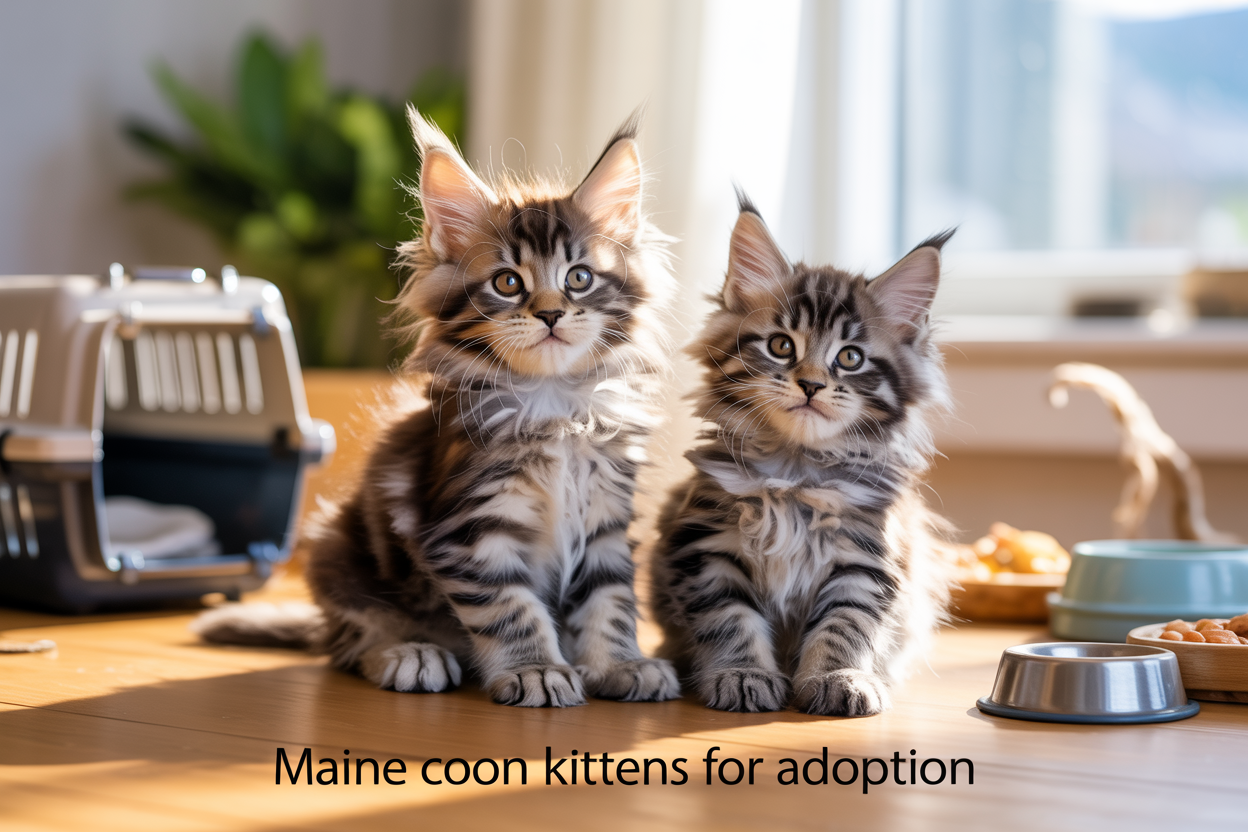
adorable maine coon kittens for adoption and rehoming
adorable maine coon kittens for adoption and rehoming

Maine Coon kittens steal hearts with their fluffy coats, gentle personalities, and impressive size potential. If you’re considering adding one of these magnificent cats to your family, you’ve come to the right place. This guide is perfect for first-time cat owners, experienced pet parents looking to expand their family, and anyone curious about adorable maine coon kittens for adoption and rehoming.
We’ll walk you through everything you need to know before bringing home your new furry friend. You’ll discover how to find trustworthy adoption sources and rescue organizations in your area, plus learn what to expect during the kitten adoption process from application to pickup day. We’ll also cover the essential steps for preparing your home and understanding the long-term commitment these gentle giants require.
Understanding Maine Coon Kittens Before Adoption
Unique Physical Characteristics and Size Expectations
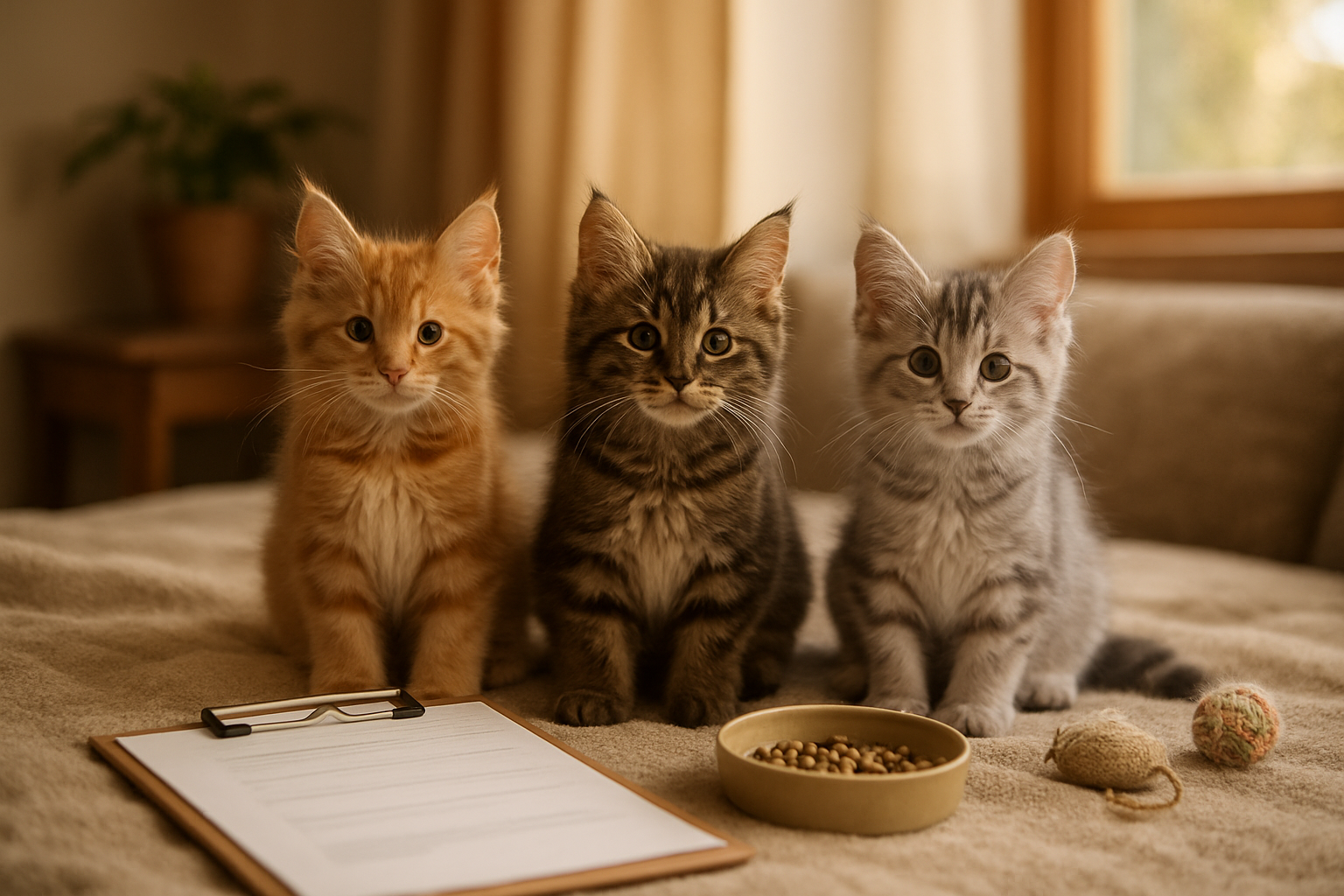
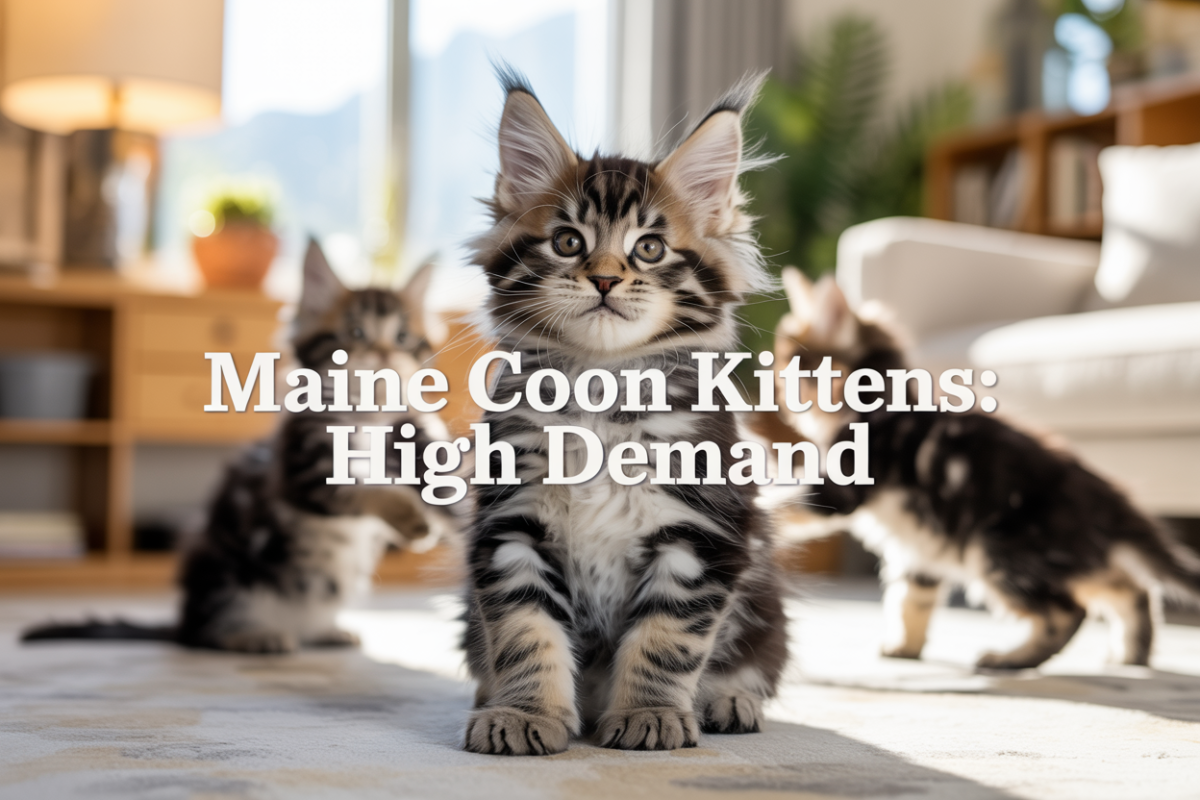
Maine Coon kittens start small but grow into gentle giants over their first few years. These magnificent cats typically reach 10-25 pounds when fully grown, with males generally being larger than females. Their distinctive features include tufted ears that look like little lynx points, large round paws with fur between the toes (perfect for walking on snow), and an incredibly luxurious, water-resistant coat.
Their eyes come in stunning shades of green, gold, or copper, and you’ll notice their square-shaped muzzle gives them a noble expression. The famous Maine Coon tail deserves special mention – it’s long, fluffy, and often as long as their body. Kittens typically don’t reach their full size until they’re 3-5 years old, so patience is key when watching your adorable maine coon kittens for rehoming develop into their majestic adult form.
Gentle Temperament and Family-Friendly Nature
Maine Coons earn their nickname “gentle giants” through their remarkably calm and friendly personalities. These cats are known for being excellent with children, often showing endless patience with little hands that want to pet and play. They’re naturally social creatures who enjoy being part of family activities without being overly demanding of attention.
Unlike some cat breeds that can be aloof or skittish, Maine Coons typically greet visitors with curiosity rather than hiding. They have a unique vocalization style – instead of typical meowing, they often “chirp” or “trill” to communicate with their humans. Many owners describe their Maine Coons as dog-like in their loyalty and desire to follow family members around the house.
Grooming Requirements and Maintenance Needs
That gorgeous coat comes with responsibility. Maine Coons require regular brushing – ideally 2-3 times per week – to prevent matting and reduce shedding around your home. During seasonal coat changes in spring and fall, daily brushing becomes necessary to manage the extra hair.
Their grooming routine should include:
-
Daily brushing during shedding seasons
-
Weekly nail trims to prevent overgrowth
-
Monthly ear cleaning to prevent wax buildup
-
Regular dental care starting from kittenhood
Many Maine Coons actually enjoy being brushed once they’re accustomed to the routine. Starting grooming habits early with kittens makes the process much easier as they grow.
Health Considerations and Common Genetic Issues
Maine Coons are generally healthy cats, but like all purebreds, they can be prone to certain genetic conditions. Hypertrophic cardiomyopathy (HCM) is the most common concern – a heart condition that responsible breeders screen for in their breeding cats.
Hip dysplasia, while more common in dogs, can also affect Maine Coons due to their size. Spinal muscular atrophy (SMA) is another genetic condition to be aware of, though it’s less common.
When considering how to adopt a maine coon, always ask about health testing of the parents. Reputable sources will provide health certificates and be transparent about any potential genetic risks. Regular veterinary checkups become especially important for these large cats to catch any issues early.
Finding Reputable Maine Coon Adoption Sources
Certified Rescue Organizations and Shelters
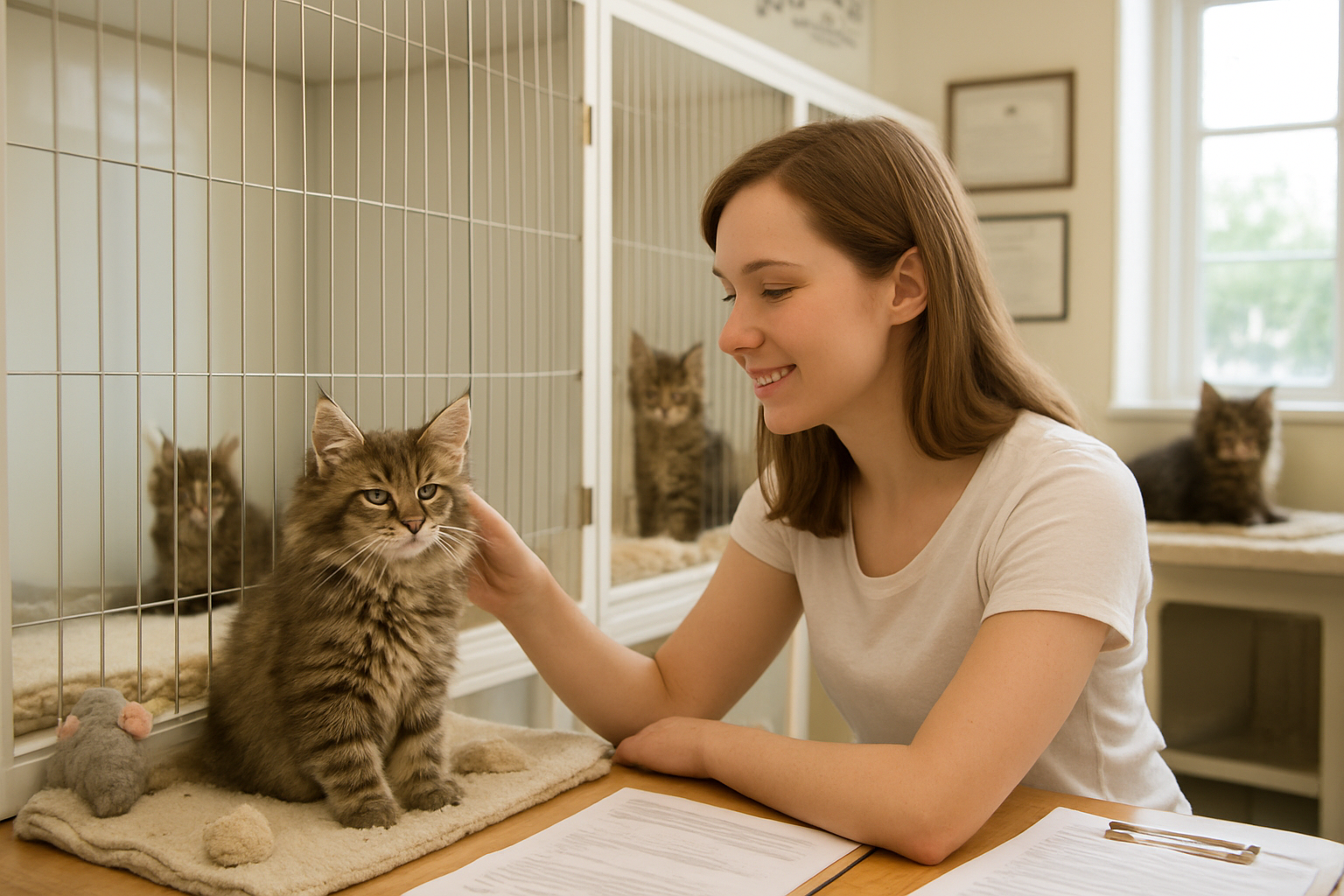
Local animal shelters and certified rescue organizations represent your most reliable path to how to adopt a maine coon. These establishments operate under strict guidelines and maintain detailed health records for every cat in their care. Most shelters charge adoption fees ranging from $50 to $300, making them an affordable option when adopt kitten becomes a priority.
Breed-specific rescue organizations like Maine Coon Rescue or regional Maine Coon societies specialize exclusively in this breed. These groups understand the unique needs of Maine Coons and carefully screen potential adopters. They often have white maine coon kittens for adoption and other color variations available throughout the year.
Contact your local SPCA, Humane Society, or municipal animal control facilities. Many people don’t realize that purebred Maine Coons frequently end up in regular shelters due to owner surrenders or life changes. Staff members can notify you when can maine coon kittens go home and add you to waiting lists for specific breeds.
Responsible Breeders Offering Rehoming Services
Established breeders occasionally have adult cats or retired breeding cats available for rehoming. These situations arise when breeders reduce their breeding programs or when show cats retire from competition. Adult Maine Coons from breeders typically come with complete health histories, genetic testing results, and championship bloodlines.
Look for breeders registered with The International Cat Association (TICA) or Cat Fanciers’ Association (CFA). Reputable breeders will invite you to visit their facilities, meet the cats’ parents, and review health certificates. They often maintain waiting lists for adorable maine coon kittens for rehoming situations.
Professional breeders who offer rehoming services typically charge higher fees than shelters, reflecting the quality of care and breeding standards. Expect to pay $400 to $1,200 for rehomed breeding cats or retired show cats.

Online Adoption Platforms and Verification Tips
Websites like Petfinder, Adopt-a-Pet, and Rescue Me connect potential adopters with available Maine Coons across the country. These platforms aggregate listings from thousands of shelters and rescue organizations, helping you locate maine coon kittens for sale or adoption near me.
Always verify the legitimacy of online listings before committing. Legitimate rescue organizations provide detailed contact information, physical addresses, and references from veterinarians. Red flags include requests for payment before meeting the cat, refusal to provide medical records, or pressure to make immediate decisions.
Video calls have become standard practice for initial screenings. Many rescues now offer virtual meet-and-greets, allowing you to interact with potential adoptees before traveling. This approach helps answer where can i adopt a kitten today while maintaining safety protocols.
Cross-reference listings with official rescue websites and social media pages. Authentic organizations maintain active online presences with regular updates, adoption success stories, and transparent kitten adoption process information.
Evaluating Kitten Health and Background
Essential health screenings and veterinary records
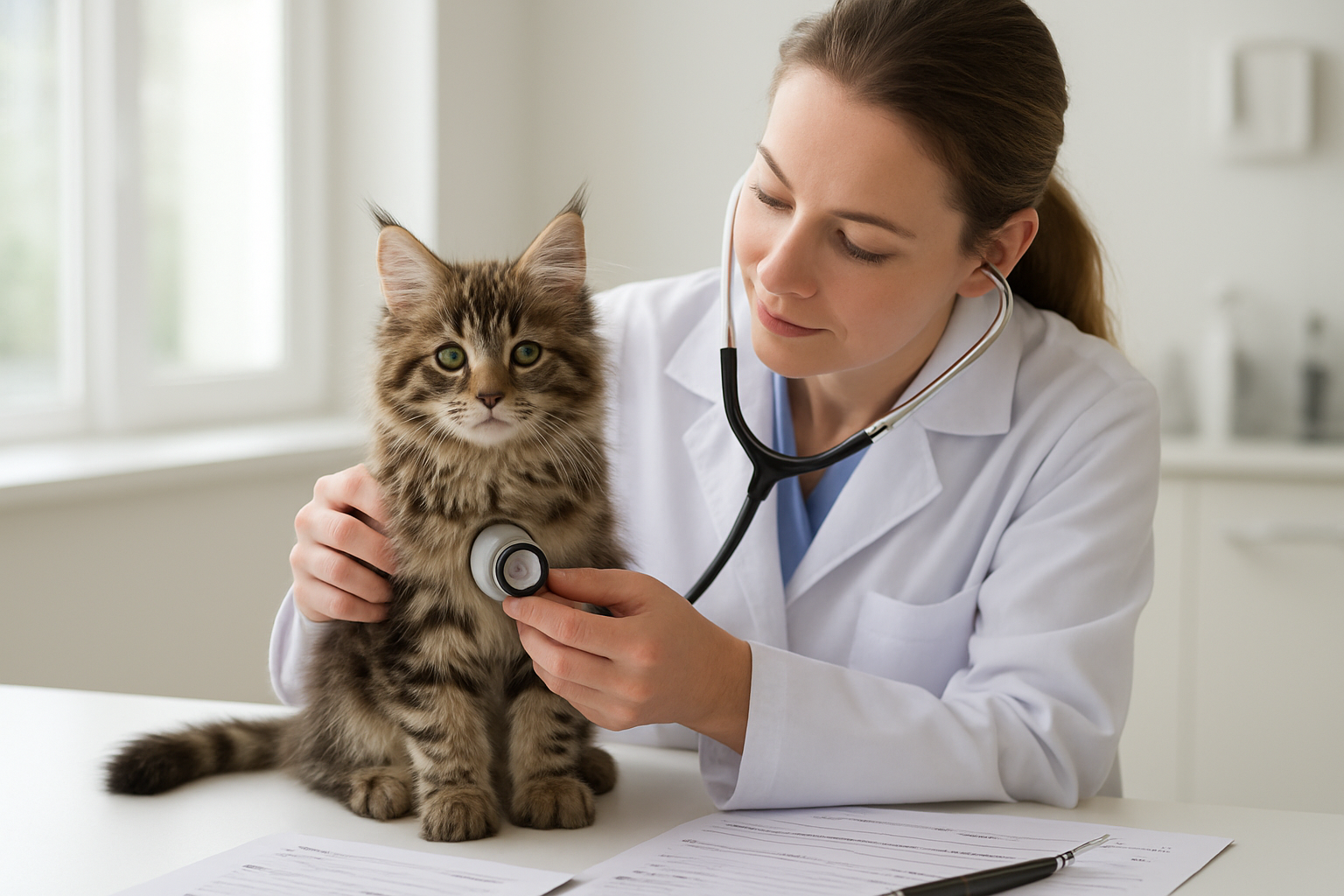
When you adopt a maine coon kitten, getting complete veterinary records is your first line of defense against future health problems. Ask for documentation of all previous vet visits, including examination notes, weight tracking, and any treatments administered. Maine Coons are prone to specific genetic conditions like hypertrophic cardiomyopathy (HCM) and hip dysplasia, so look for early screening results or at least confirmation that the parents were tested.
A reputable source should provide records showing the kitten has been examined by a licensed veterinarian at least once. This examination should include checking for common issues like heart murmurs, eye problems, and proper development of joints. Blood work may not be standard for very young kittens, but older ones (12+ weeks) might have baseline testing done.
Don’t hesitate to request copies of health certificates and ask about any medications or supplements the kitten has received. Some adorable maine coon kittens for rehoming might come with minor health notes that need ongoing attention – knowing about these upfront helps you budget for care and find the right veterinarian.
Understanding vaccination schedules and requirements
Maine Coon kittens need a carefully timed vaccination series to build proper immunity. The standard schedule starts around 6-8 weeks with the first FVRCP vaccine (covering feline viral rhinotracheitis, calicivirus, and panleukopenia). Boosters follow every 3-4 weeks until the kitten reaches 16 weeks old.
Most kittens ready for adoption will have received at least their first round of shots, but you’ll need to complete the series. Ask for vaccination records and find out exactly which vaccines were given and when the next ones are due. This timing affects when adopt kitten situations can happen – many experts recommend waiting until at least 12-14 weeks when kittens have better immunity.
Rabies vaccination typically happens around 12-16 weeks, depending on local laws. Some locations require this before adoption can be finalized. The kitten adoption process often includes agreements about completing vaccinations within specific timeframes.
Create a vaccination timeline with your new vet to ensure nothing gets missed. Missing doses or spacing them incorrectly can leave your kitten vulnerable to serious diseases.

Assessing socialization levels and behavioral traits
Maine Coons are naturally social cats, but early experiences shape their personalities significantly. Watch how the kitten interacts with people during your visit. A well-socialized kitten should be curious about new people, comfortable being gently handled, and show playful behavior rather than excessive fear or aggression.
Pay attention to how the kitten responds to different sounds, movements, and handling. Pick up the kitten gently and observe their reaction – they might be initially cautious but should settle down relatively quickly. Check their comfort level with having paws, ears, and mouth examined, as this will make future vet visits much easier.
Ask about the kitten’s exposure to different experiences like car rides, various household sounds, and meeting strangers. Well-socialized kittens adapt better to new homes and are generally more confident throughout their lives. Some rescue situations might mean limited early socialization, which isn’t necessarily a deal-breaker but requires extra patience from adopters.
Observe play behavior with littermates or toys. Healthy play should be energetic but not overly aggressive. Kittens that seem lethargic or hide constantly might have health issues or need extra time to adjust.
Reviewing previous living conditions and care history
Understanding where and how a kitten lived before adoption gives valuable insight into their needs and potential challenges. Ask detailed questions about their previous environment – was it a home setting, shelter, or breeding facility? Each situation comes with different advantages and considerations.
Kittens from home environments often have good socialization with people but might need time adjusting to new routines. Shelter kittens typically receive excellent medical care and socialization from volunteers but might need extra patience settling into a quieter home environment. Those from breeding facilities usually have good genetic backgrounds but varying levels of human interaction.
Find out about the kitten’s daily routine, including feeding schedules, types of food, litter preferences, and sleep patterns. Sudden changes can stress kittens, so gradually transitioning them helps with adjustment. Ask about any behavioral quirks, fears, or preferences that previous caregivers noticed.
If the kitten came from a situation involving owner surrender, try to learn why. Sometimes it’s due to circumstances like allergies or moving, but other times it might indicate behavioral or health challenges. This information helps you prepare appropriately and set realistic expectations for the adjustment period.
Preparing Your Home for Maine Coon Adoption
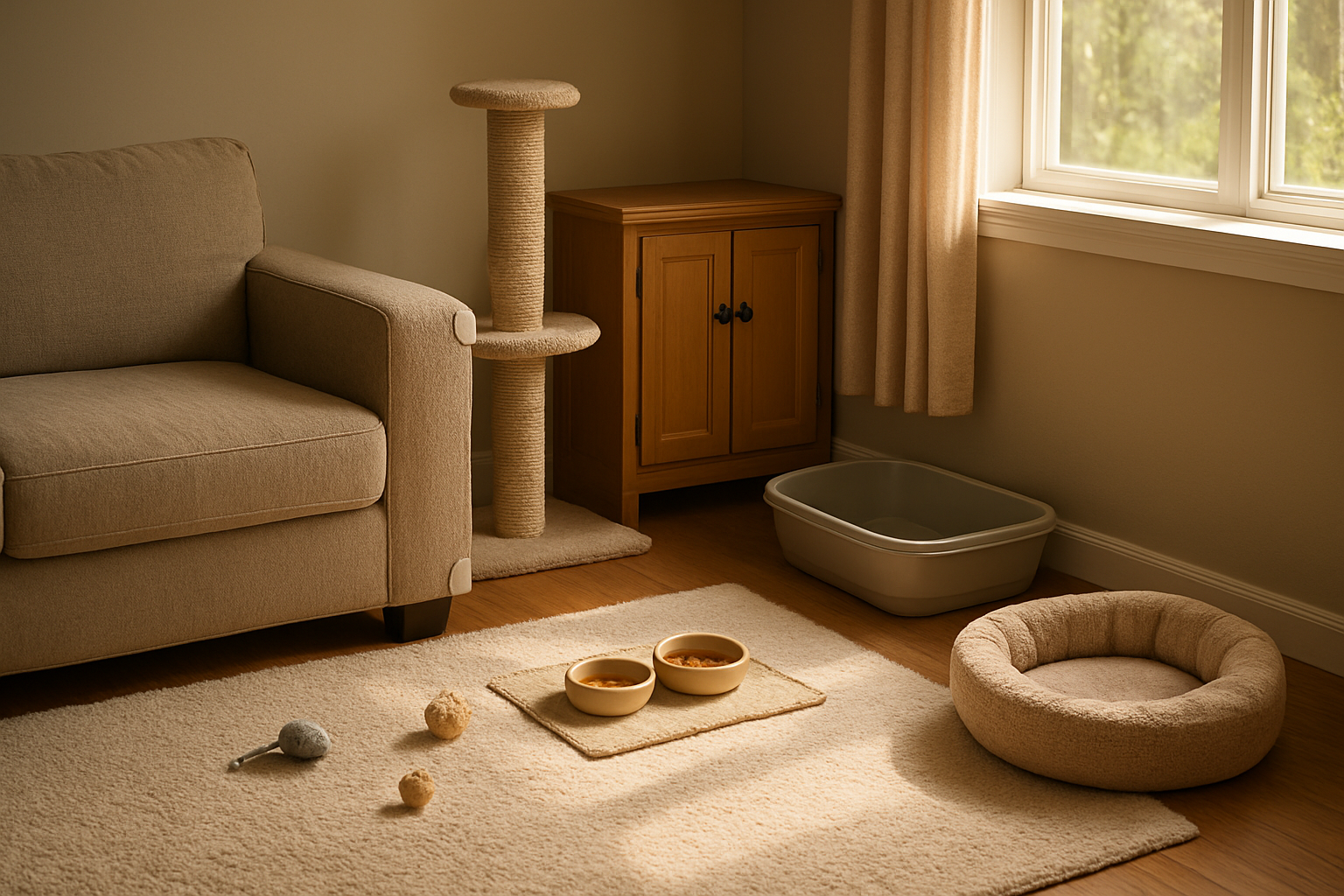
Creating Safe Indoor Spaces for Large Breed Cats
Maine Coon cats grow into impressive sizes, often weighing 15-25 pounds when fully mature. Your adorable Maine Coon kitten will need plenty of room to roam and explore as they develop into their full size. Start by designating multiple rooms where your kitten can safely wander without restrictions.
Vertical space becomes crucial for these athletic cats. Install sturdy cat trees that can support their eventual weight – look for models rated for at least 30 pounds. Wall-mounted shelves should be reinforced and positioned to create climbing paths around rooms. Maine Coons love to perch up high and survey their territory.
Consider the flooring throughout your home. Hard surfaces can be slippery for large cats, so add area rugs with non-slip backing in main pathways. This helps prevent injuries from sudden stops or quick direction changes during play sessions.
Create multiple cozy retreat spots using large cat beds or even dog beds to accommodate their size. Position these in quiet corners where your kitten can nap undisturbed. Maine Coons appreciate having options for both social spaces near family activity and private areas for alone time.
Selecting Appropriate Toys and Enrichment Activities
Maine Coons possess high intelligence and hunting instincts that require consistent mental stimulation. Interactive puzzle feeders challenge their problem-solving abilities while slowing down eating – important for preventing digestive issues in fast-growing kittens.
Feather wands and laser pointers satisfy their chase instincts, but always end play sessions with a physical toy they can catch. This prevents frustration from never “catching” their prey. Rotate toys weekly to maintain novelty and interest.
Large, sturdy scratching posts are essential. Choose sisal-wrapped posts at least 32 inches tall to accommodate their full adult stretch. Place multiple scratching surfaces throughout the house – both vertical posts and horizontal scratchers.
Consider motorized toys that move unpredictably when your kitten is alone. Battery-operated mice or feather toys provide entertainment during the day while you’re away. However, always supervise initial play sessions to ensure the toy remains safe.
Setting Up Feeding Stations and Litter Areas
Maine Coon kittens grow rapidly and require consistent access to high-quality food. Establish feeding stations in quiet areas away from household traffic. Use elevated feeding platforms to promote better digestion and reduce neck strain as they grow larger.
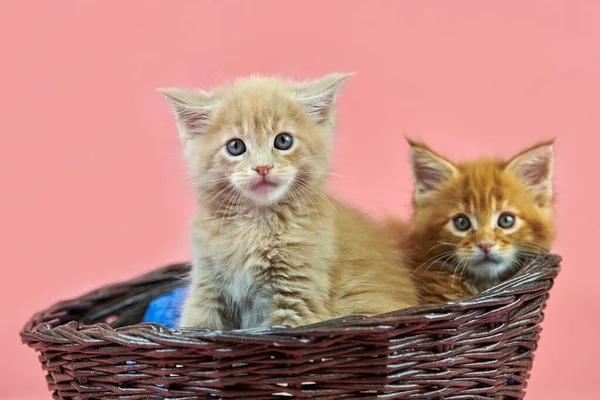
Automatic water fountains encourage proper hydration – Maine Coons often prefer moving water. Position water sources in multiple locations throughout the house, keeping them away from food bowls to prevent contamination.
Litter box setup requires special consideration for large cats. Standard boxes quickly become too small, so start with extra-large or even storage containers. Provide at least two boxes, even for one cat, following the “one box per cat plus one extra” rule.
Choose low-tracking, unscented litter to accommodate their sensitive noses. Position boxes in easily accessible but private locations. Avoid placing them near appliances that make sudden noises, as this can create negative associations.
| Feeding Setup | Recommended Size | Placement Tips |
|---|---|---|
| Food bowls | Wide, shallow | Elevated platform |
| Water fountains | 2+ locations | Away from food |
| Treat dispensers | Puzzle style | Rotate locations |
Cat-Proofing Considerations for Curious Kittens
Maine Coon kittens combine impressive climbing abilities with boundless curiosity, creating unique safety challenges. Secure all cabinets containing chemicals, medications, or small objects that could cause choking. Child-proof latches work well but choose heavy-duty versions designed for determined cats.
Electrical cords pose significant dangers to teething kittens. Use cord protectors or conceal wires inside cable management systems. Unplug appliances when not in use, especially those with dangling cords like coffee makers or phone chargers.
Window safety requires immediate attention. Install secure screens that won’t pop out under pressure. Consider window guards for upper floors – Maine Coons are excellent jumpers but can misjudge distances. Never leave windows open without proper protection.
Remove or secure breakable decorations within jumping range. Maine Coons can easily reach surfaces six feet high or more. Plants deserve special attention as many common houseplants are toxic to cats. Research each species in your home or remove them entirely during the kitten adoption process.
Check for small spaces where curious kittens might become trapped. Block access behind appliances, under furniture with small gaps, and inside recliners or sofa beds. Regular safety sweeps help identify new hazards as your kitten grows and explores different areas.
Adoption Process and Legal Considerations
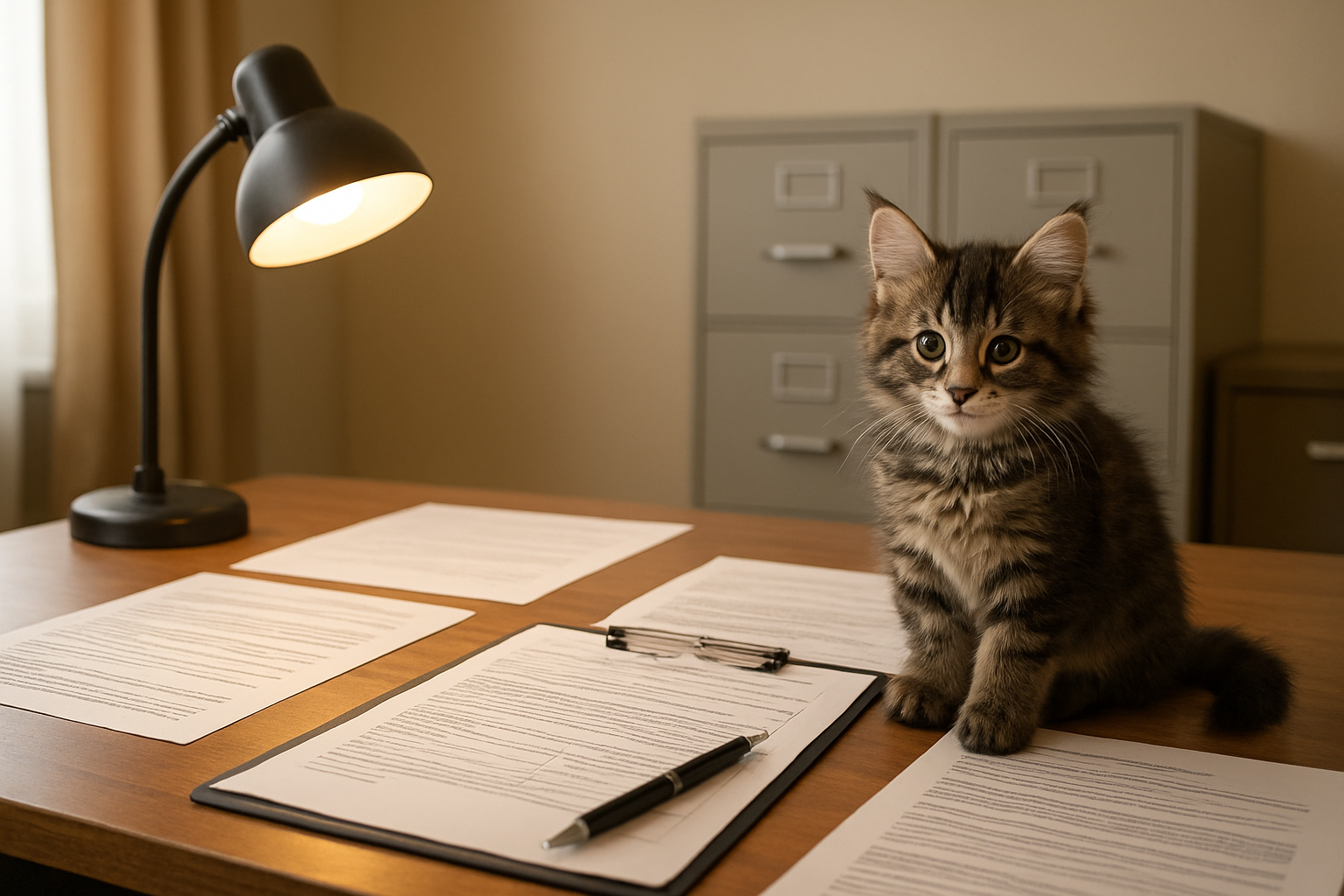
Application Requirements and Screening Procedures
Most reputable Maine Coon adoption centers require a detailed application that covers your living situation, experience with cats, and lifestyle. You’ll typically need to provide personal references, veterinary references if you’ve had pets before, and proof of housing stability. Many organizations want to know about your work schedule, family members, other pets in the home, and your long-term commitment plans.
The screening process often includes a phone interview where adoption coordinators ask about your expectations for how to adopt a maine coon and assess whether you understand the breed’s specific needs. Some shelters require home visits to ensure your living space is appropriate for a large, active cat breed. This might seem thorough, but remember that Maine Coons can live 12-15 years and grow to 15-25 pounds.
Wait times vary significantly depending on demand and availability. Popular colors like white maine coon kittens for adoption often have longer waiting lists. The kitten adoption process typically takes 1-3 weeks from application to approval, though some rescue organizations work faster if they have urgent placement needs.
Adoption Fees and What They Typically Include
How much are cats for adoption varies widely based on location, age, and the organization type. Maine Coon kitten adoption fees typically range from $75-$300 at shelters, while breed-specific rescues may charge $200-$500. These fees often seem high compared to general cat adoption, but they reflect the breed’s popularity and the specialized care many Maine Coons require.
Most adoption fees include essential veterinary care that would otherwise cost hundreds of dollars. Here’s what’s typically covered:
| Service Included | Estimated Value |
|---|---|
| Spay/neuter surgery | $150-$300 |
| Current vaccinations | $75-$150 |
| Microchipping | $25-$50 |
| Deworming treatment | $25-$75 |
| Health examination | $50-$100 |
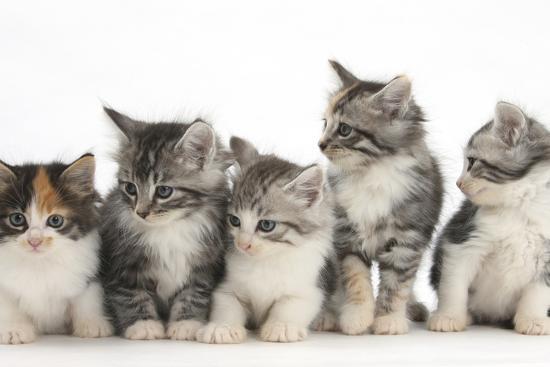
Some organizations include additional services like flea treatment, basic grooming, and temporary foster care if you can’t take the kitten home immediately. When can maine coon kittens go home depends on their age and health status, but most are ready around 12-16 weeks old.
Contract Terms and Rehoming Agreements
Adoption contracts protect both you and the organization while ensuring the cat’s welfare. Most agreements include a clause requiring you to return the cat to the original organization if you can no longer care for them, rather than rehoming independently. This prevents adorable maine coon kittens for rehoming from ending up in unsuitable situations.
Common contract terms include requirements for indoor-only living, regular veterinary care, and restrictions on declawing. Some contracts specify that you must wait a certain period before introducing new pets or making major household changes. Breed-specific rescues often include clauses about maintaining the cat’s health records and providing updates during the first year.
Many organizations reserve the right to conduct follow-up visits or calls, especially during the first few months. While this might feel intrusive, it helps ensure successful placements and provides support when you need it. When adopt kitten decisions feel overwhelming, having this backup support system proves invaluable for first-time Maine Coon owners.
Violation of contract terms can result in the organization reclaiming the cat, so read everything carefully before signing. Most reputable organizations are happy to explain any clauses you don’t understand.
Long-term Care and Commitment Planning
Budgeting for Lifetime Veterinary Expenses
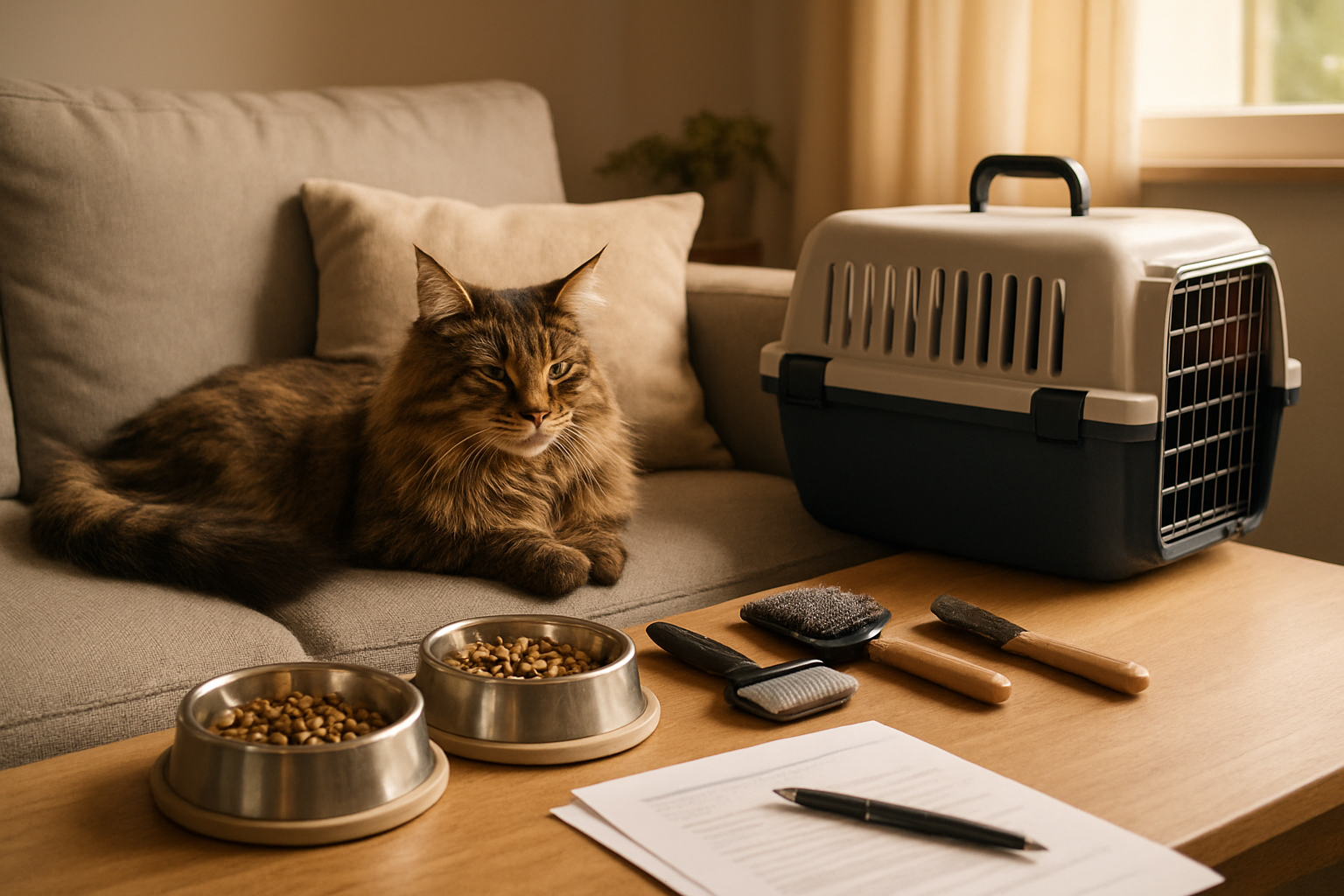
Maine Coon cats require significant financial planning throughout their lives. Annual veterinary costs typically range from $500 to $1,500, with routine care including vaccinations, dental cleanings, and preventive treatments. Emergency medical expenses can easily reach $3,000 to $8,000 for serious conditions like hypertrophic cardiomyopathy or hip dysplasia, both common in the breed.
Consider setting aside $50-100 monthly for a veterinary emergency fund. Maine Coons are prone to specific health issues that require ongoing management:
-
Heart conditions: Regular cardiac screenings cost $200-400 annually
-
Hip dysplasia: Treatment ranges from $1,500-6,000 per hip
-
Dental care: Professional cleanings average $800-1,200 annually
-
Spinal muscular atrophy: Genetic testing and management costs vary
Pet insurance becomes particularly valuable for Maine Coons, with comprehensive plans costing $30-60 monthly. Many owners find this investment worthwhile given the breed’s predisposition to expensive medical conditions.
Understanding 15-20 Year Lifespan Commitment
Adopting a Maine Coon kitten means committing to two decades of daily care, financial responsibility, and emotional investment. These cats often live 15-20 years with proper care, requiring consistent attention throughout life stages.
Kitten years (0-2) demand frequent veterinary visits, spaying/neutering, and establishing routines. Adult years (3-10) typically involve routine maintenance and monitoring for breed-specific health issues. Senior years (11+) require increased medical attention, special diets, and potential mobility assistance.
Life changes like moving, marriage, children, or career shifts shouldn’t compromise your cat’s care. Maine Coons form deep bonds with their families and struggle with abandonment. Plan for scenarios where you might need pet-sitting services, boarding facilities, or temporary care arrangements.
Building Relationships with Maine Coon-Experienced Veterinarians
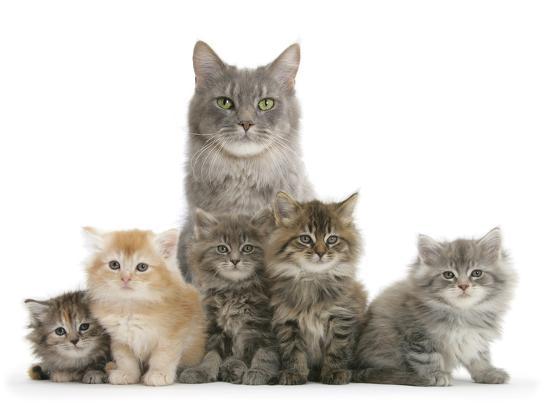
Finding veterinarians familiar with Maine Coon health issues proves essential for optimal care. Large-breed cats require specialized knowledge regarding anesthesia protocols, weight management, and breed-specific conditions.
Research local veterinary clinics that regularly treat Maine Coons. Ask potential vets about their experience with:
-
Hypertrophic cardiomyopathy screening
-
Large-breed anesthesia protocols
-
Nutritional requirements for giant cats
-
Hip dysplasia management
Establish relationships with both primary care veterinarians and specialists. Cardiologists, orthopedic surgeons, and feline internal medicine specialists often become part of your Maine Coon’s healthcare team.
Consider veterinary schools or teaching hospitals in your area, as they frequently offer specialized services at reduced costs while providing cutting-edge treatments.
Connecting with Breed-Specific Support Communities
Maine Coon communities provide invaluable support throughout your cat’s life. Online forums, local breed clubs, and social media groups offer advice from experienced owners who understand the unique challenges and joys of Maine Coon ownership.
Join established communities like:
-
Maine Coon breed-specific Facebook groups
-
Local cat clubs with Maine Coon members
-
Online forums dedicated to large-breed cats
-
Veterinary-moderated health discussion groups
These connections help you navigate everything from grooming techniques to finding qualified pet sitters who understand Maine Coon needs. Experienced owners often share recommendations for veterinarians, emergency clinics, and trusted boarding facilities.
Building these relationships before you need them creates a support network ready to help during emergencies or when you have questions about your cat’s behavior or health changes.
7 FAQ
How much do Maine Coon cats cost for adoption?
Adoption fees for Maine Coon kittens typically range from $500-$1500 depending on the organization, location, and whether you’re working with a shelter or rescue group. These fees usually cover spaying/neutering, vaccinations, and microchipping. Private rehoming situations may vary in cost, while purchasing from breeders can cost $1,000-$3,000. Always ask what services are included in the adoption fee.
When can Maine Coon kittens leave their mother?
Maine Coon kittens should stay with their mother and littermates until at least 8-12 weeks old. Many reputable breeders and rescues prefer waiting until 12-16 weeks to ensure proper socialization and weaning. Early separation can lead to behavioral issues and health problems. The kitten adoption process should never rush this critical development period.
Where can I find Maine Coon kittens for adoption today?
Check local animal shelters, Maine Coon rescue organizations, Petfinder.com, and Adopt-a-Pet.com for immediate availability. Some shelters have same-day adoption processes if you meet requirements. White Maine Coon kittens for adoption are less common but occasionally available through breed-specific rescues. Social media groups for your area often share urgent rehoming situations.
What should I expect during the kitten adoption process?
Most organizations require an application, reference checks, and sometimes home visits. The process can take 24 hours to several weeks depending on the organization’s policies. You’ll need to provide proof of pet-friendly housing, veterinary references if you’ve had pets before, and demonstrate financial ability to care for the kitten long-term.
How do I prepare my home before bringing a Maine Coon kitten home?
Create a safe space with food, water, litter box, scratching posts, and toys. Maine Coons grow large, so invest in sturdy furniture and tall cat trees. Kitten-proof your home by securing loose wires, removing toxic plants, and blocking small spaces where they could get stuck. Set up a quiet room for the first few days.
What ongoing care do Maine Coon cats require?
Maine Coons need regular grooming due to their long coats, high-quality food to support their large size, and plenty of space to exercise. Budget for annual veterinary care, dental cleanings, and potential breed-specific health issues like hip dysplasia and heart conditions. They’re social cats requiring daily interaction and mental stimulation.
Are there special considerations for adopting white Maine Coon kittens?
White Maine Coons may be more prone to deafness, so ask about hearing tests. They require extra sun protection if they go outdoors due to increased skin cancer risk. Their white coats show dirt more easily, requiring frequent grooming. Some people believe white cats have different temperaments, though personality varies more by individual than coat color.
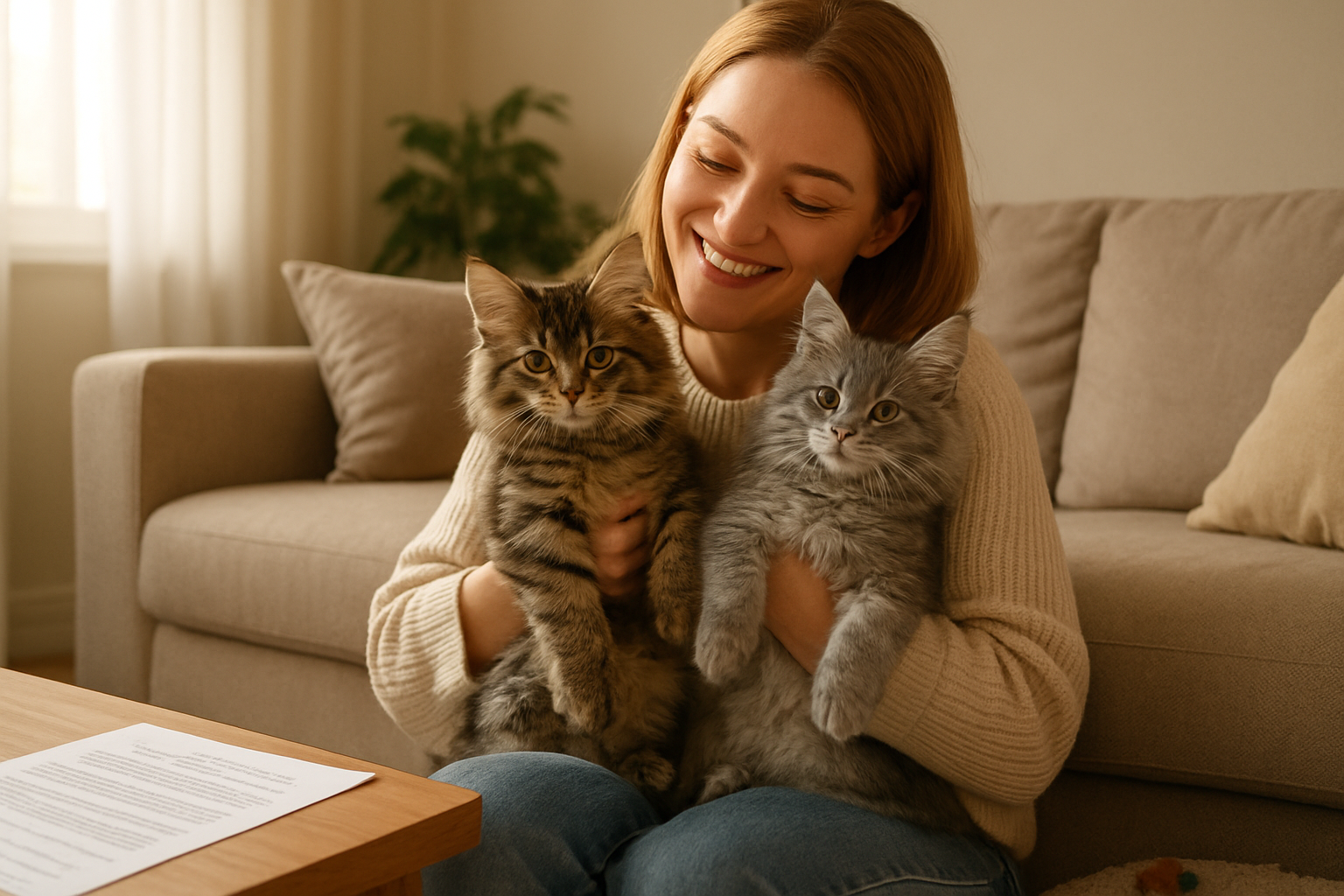
Finding the perfect Maine Coon kitten for your family involves much more than falling for their adorable fluffy faces and gentle personalities. The process requires careful research into reputable adoption sources, thorough health evaluations, and honest preparation of both your home and your long-term commitment. These gentle giants need specific care, plenty of space to roam, and owners who understand their unique grooming and social needs.
Taking the time to properly prepare for Maine Coon adoption sets both you and your new kitten up for years of happiness together. Remember that adopting a Maine Coon means welcoming a family member who could be with you for 12-15 years or more. If you’re ready for this rewarding journey, start by reaching out to local Maine Coon rescue organizations or reputable breeders in your area. Your future feline friend is waiting for a loving home where they can thrive and share their magnificent personality with you.
Related Posts
Orange Maine Coon Cat
-
Posted by
Happy Kittens
7 Reasons Maine Coon Kittens for Sale Are in Such High Demand
-
Posted by