

Blog
Reputable Bengal Cat Breeders in Your Area

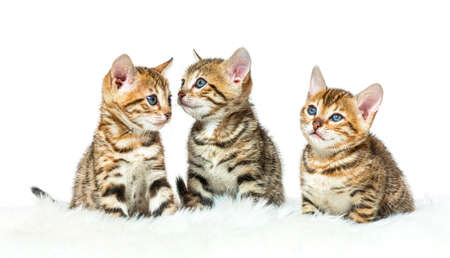
Finding Your Perfect Bengal: A Complete Guide to Locating Reputable Bengal Cat Breeders in Your Area
Looking for a Bengal cat breeder in your area can feel overwhelming, especially when you want to make sure you’re getting a healthy, well-bred kitten from someone who truly cares about the breed. I remember when I first started researching Bengal cats – the sheer number of breeders online made my head spin, and I had no idea how to tell the good ones from the questionable ones.
The truth is, finding the right Bengal breeder takes time and research, but it’s absolutely worth the effort. A reputable breeder won’t just sell you a kitten; they’ll become a lifelong resource and will genuinely care about where their cats end up. On the flip side, choosing the wrong breeder can lead to heartbreak, expensive vet bills, and behavioral issues that could have been prevented.
This guide will walk you through everything you need to know about finding Bengal cat breeders near you, from understanding what makes these cats special to recognizing red flags that should send you running in the other direction.
Understanding Bengal Cats Before You Begin Your Search
What Makes Bengal Cats Unique
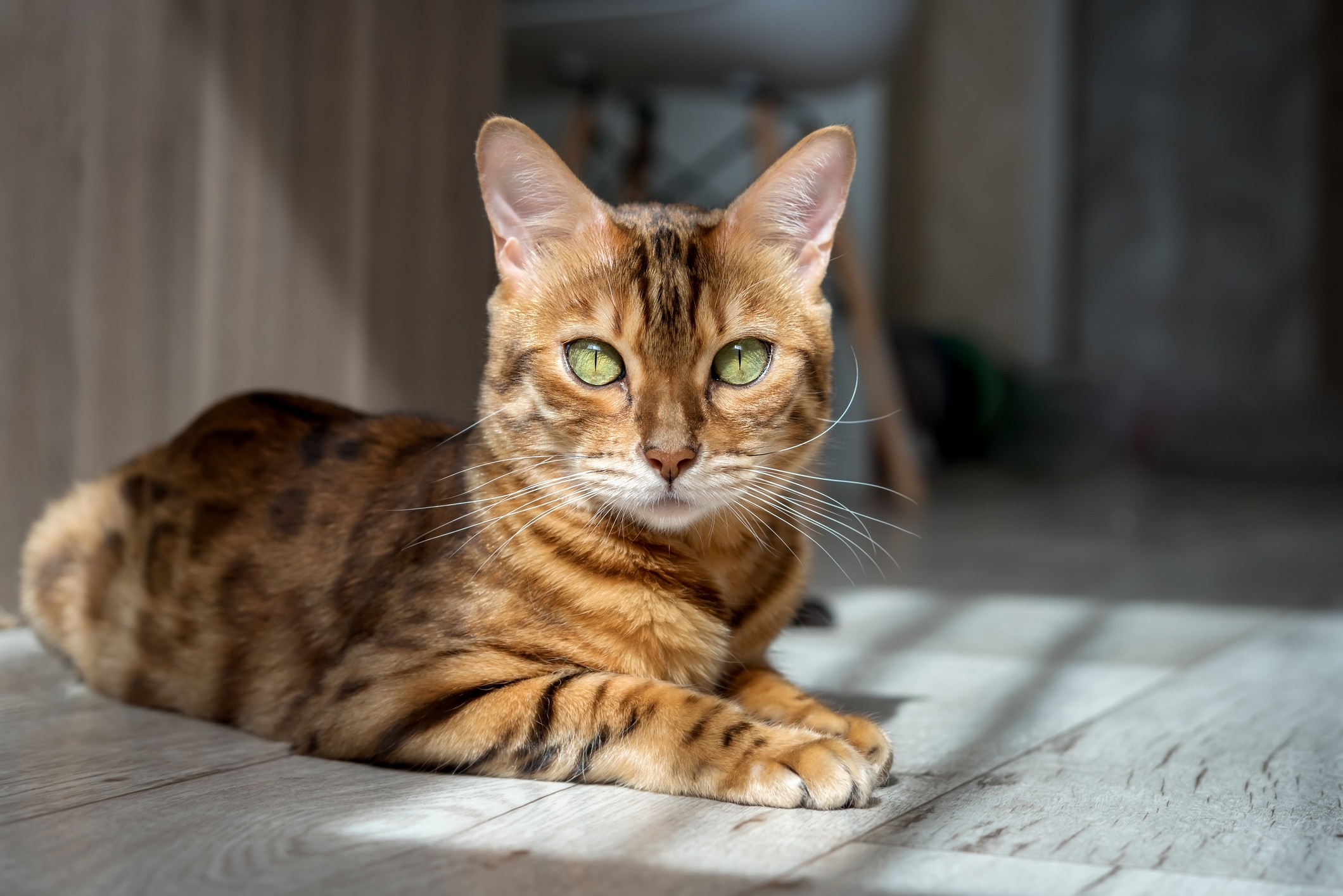
Bengal cats are truly one of a kind, and their wild appearance is just the beginning of what makes them special. These cats carry genes from the Asian Leopard Cat, which gives them their distinctive spotted or marbled coat patterns that look like they belong in the jungle rather than your living room.
Physical characteristics and distinctive coat patterns
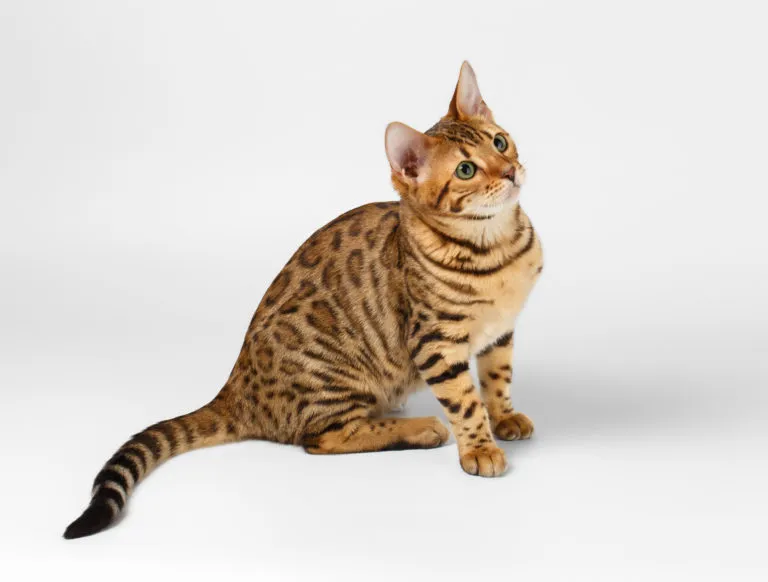
The most striking feature of Bengal cats is undoubtedly their coat. The spots can be solid or have multiple colors within them (called rosettes), and they should be randomly distributed rather than lined up in rows like a tabby cat. The coat itself has an almost glittery appearance – something called “glitter” that makes the fur shimmer in the light. It’s honestly mesmerizing when you see it in person.

Bengal cats are also built differently than your average house cat. They’re muscular and athletic, with strong hind legs that make them incredible jumpers. Their heads are slightly smaller in proportion to their bodies, and they have prominent whisker pads that give them an almost wild expression.
Personality traits and energy levels
Here’s where Bengal cats really differ from other breeds – they’re basically the athletes of the cat world. These cats need mental and physical stimulation daily, or they’ll find their own entertainment (which usually involves your favorite curtains or that expensive vase you love).
Bengals are incredibly intelligent and curious. They love water, which surprises many first-time Bengal owners, and they’re known for their ability to learn tricks and even walk on leashes. Many Bengal owners describe their cats as being more dog-like in their loyalty and interaction with humans.
However, this intelligence and energy can be a double-edged sword. If you’re looking for a lap cat that sleeps 16 hours a day, a Bengal probably isn’t for you. These cats want to be involved in everything you’re doing and can become destructive if they’re bored.

Size, lifespan, and general health considerations
Bengal cats are medium to large-sized cats, with males typically weighing between 12-18 pounds and females between 8-12 pounds. They usually reach their full size by about 18 months to 2 years old.
When it comes to lifespan, healthy Bengals typically live 12-16 years, which is pretty standard for domestic cats. However, because they’re a relatively newer breed with wild ancestry, there are some specific health issues to be aware of. These include hypertrophic cardiomyopathy (a heart condition), progressive retinal atrophy (an eye condition), and pyruvate kinase deficiency (which affects red blood cells).
Bengal Cat Generations and Quality Classifications
Understanding Bengal generations is crucial when looking for a breeder because it affects both the cat’s characteristics and the price you’ll pay.
F1, F2, F3, and F4 generation differences
The “F” stands for “filial” and refers to how many generations removed the cat is from its wild ancestor:
- F1 Bengals are 50% Asian Leopard Cat and 50% domestic cat. These are extremely rare, expensive (often $10,000+), and usually not available as pets. Males are typically sterile.
- F2 Bengals are 25% wild, and males are still usually sterile. These are also quite rare and expensive.
- F3 Bengals are 12.5% wild. This is where you start seeing fertile males, but these cats are still quite rare.
- F4 and beyond are what most people consider “domestic” Bengals and are what you’ll typically find available as pets.
Most reputable breeders work with F4 and later generations because these cats have predictable temperaments while still maintaining the wild appearance that makes Bengals so appealing.
Show quality versus pet quality cats
This distinction significantly affects pricing and what you can expect from your kitten:
Show quality Bengals have coat patterns, colors, and body structure that closely match the breed standard. These cats could potentially win awards at cat shows and typically cost $3,000-$5,000 or more.
Pet quality Bengals might have slightly less distinct patterns, colors that don’t quite meet show standards, or minor structural differences. They make equally wonderful pets and usually cost $2,000-$3,500.
I always tell people that unless you’re planning to show or breed your cat, pet quality Bengals are often the better choice. They have the same wonderful personalities and health testing behind them, just without the “perfect” show markings.
Brown, silver, and snow Bengal varieties
Bengal cats come in three main color varieties:
- Brown Bengals are the most common and what most people picture when they think of Bengals. They range from golden to deep brown with black markings.
- Silver Bengals have a white to silver background with black markings. They’re less common and often more expensive.
- Snow Bengals come in three varieties (seal lynx point, seal mink, and seal sepia) and have cream to white backgrounds with darker points.
Costs and Long-term Commitment Considerations
Initial purchase prices and what affects pricing
Bengal cats are expensive, and there’s no getting around it. Here’s what you can typically expect to pay:
- Pet quality Bengals: $2,000-$3,500
- Show quality Bengals: $3,000-$5,000+
- Breeding rights: Additional $1,000-$2,000+
Several factors affect pricing:
- Generation (earlier generations cost more)
- Quality level (show vs. pet)
- Color and pattern rarity
- Breeder reputation and location
- Whether breeding rights are included
Monthly care costs including food, veterinary care, and supplies

Beyond the initial purchase price, Bengal cats have ongoing costs that can add up:
- High-quality food: $30-$50 per month (Bengals often need high-protein diets)
- Regular veterinary care: $200-$400 annually for routine care
- Pet insurance: $20-$40 per month (highly recommended for Bengals)
- Toys and enrichment: $20-$50 monthly (these cats destroy toys quickly)
- Cat litter: $15-$25 monthly
Time commitment for exercise, grooming, and socialization
Bengals require significantly more interaction than typical house cats:
- Daily play sessions: 30-60 minutes of active play
- Mental stimulation: Puzzle toys, training sessions, or interactive games
- Grooming: Weekly brushing (they’re actually quite low-maintenance in this area)
- Social interaction: These cats want to be involved in your daily activities
Essential Qualities to Look for in Bengal Cat Breeders
Health Testing and Genetic Screening Practices
Required health tests for breeding Bengal cats
Any reputable Bengal breeder should be conducting specific health tests on their breeding cats. The three main tests you should expect to see are:
- HCM (Hypertrophic Cardiomyopathy) screening: This heart condition can be detected through echocardiograms or genetic testing
- PRA (Progressive Retinal Atrophy) genetic testing: This eye condition leads to blindness
- PK-def (Pyruvate Kinase Deficiency) genetic testing: This affects red blood cell function
Documentation and certificates you should expect to see
A good breeder will eagerly share health testing results and should have:
- Current health certificates from a licensed veterinarian
- Genetic testing results from reputable labs like UC Davis or Optimal Selection
- Registration papers from TICA (The International Cat Association) or CFA (Cat Fanciers’ Association)
- Pedigrees showing the lineage of both parents
If a breeder seems reluctant to share this information or claims the tests aren’t necessary, that’s a major red flag.
Questions to ask about the health history of parent cats
Don’t be shy about asking detailed questions:
- “Can I see the health testing results for both parents?”
- “Have there been any health issues in previous litters from these parents?”
- “What’s the health history of the grandparents and other relatives?”
- “Do you provide a health guarantee, and what does it cover?”
Breeding Environment and Cat Care Standards
Clean, spacious facilities with proper ventilation
When you visit a breeder (and you should always visit), pay attention to the environment. The space should be:
- Clean and odor-free
- Well-ventilated with good air circulation
- Spacious enough for cats to exercise and play
- Temperature controlled
- Free from overcrowding
I once visited a breeder whose facility smelled so strongly of ammonia that my eyes watered within minutes. That’s definitely not the kind of environment you want your future kitten coming from.
Socialization practices for kittens and adult cats
Proper socialization is crucial for Bengal kittens. Look for breeders who:
- Handle kittens daily from birth
- Expose kittens to different sounds, textures, and experiences
- Allow kittens to interact with other cats and people
- Keep kittens with their mothers until at least 12 weeks old (preferably 14-16 weeks)
Food quality, veterinary care, and daily maintenance routines
Ask about the breeder’s daily routines:
- What food do they feed and why did they choose it?
- How often are the cats examined by a veterinarian?
- What’s their cleaning schedule?
- How much individual attention does each cat receive daily?
Professional Credentials and Industry Recognition
Registration with major cat breeding associations
Reputable Bengal breeders should be registered with recognized cat associations like:
- TICA (The International Cat Association) – the primary registry for Bengals
- CFA (Cat Fanciers’ Association)
- Regional breed clubs and associations
Membership in Bengal breed-specific organizations
Look for breeders who are active in Bengal-specific groups such as:
- The Bengal Breed Council
- Regional Bengal cat clubs
- Online Bengal breeder communities with good reputations
Awards, certifications, and professional references
While awards aren’t everything, they can indicate a breeder’s commitment to the breed:
- Cat show wins and titles
- Recognition from breed associations
- Professional references from veterinarians
- Positive testimonials from previous buyers
Effective Methods to Find Bengal Breeders Near You
Online Resources and Digital Platforms
Official breed registry websites and breeder directories
Start your search with official sources:
- TICA’s website has a breeder directory where you can search by location
- Individual breed club websites often maintain lists of members who breed
- CFA’s breeder directory if you’re looking for CFA-registered Bengals
These directories don’t guarantee quality, but they do ensure the breeders are at least registered with legitimate organizations.
Social media groups and Bengal cat communities
Social media can be incredibly helpful for finding breeders and getting recommendations:
- Facebook groups like “Bengal Cat Lovers” or regional Bengal groups
- Instagram accounts of Bengal breeders (great for seeing their cats and facilities)
- YouTube channels where breeders share their knowledge and cats
However, be cautious about taking everything you see on social media at face value. Always verify information independently.
Review websites and breeder comparison platforms
While you should take online reviews with a grain of salt, they can provide valuable insights:
- Google reviews of specific breeders
- Specialized pet review websites
- Better Business Bureau ratings
- Discussion forums where Bengal owners share experiences
Local and Regional Networking Opportunities
Cat shows and breed-specific exhibitions in your area
Cat shows are goldmines for meeting reputable breeders in person:
- You can see their cats and how they handle them
- You can ask questions face-to-face
- You can observe how they interact with other breeders and judges
- You can see the quality of cats they produce
Check TICA’s website for show schedules in your area. Even if you have to drive a few hours, it’s often worth it.
Veterinary clinics and pet stores with breeder connections
Local veterinarians, especially those who specialize in cats, often know reputable breeders in the area:
- Ask your current vet for recommendations
- Call specialty cat hospitals
- Contact veterinary schools in your region
Some high-end pet stores also maintain relationships with quality breeders, though be wary of stores that seem to have kittens available all the time.
Local cat clubs and breed enthusiast groups
Many areas have local cat clubs that meet regularly:
- They often have members who breed various cats, including Bengals
- They can provide recommendations based on personal experience
- They may host educational events where you can learn more about the breed
Professional Referrals and Recommendations
Veterinarian recommendations for reputable breeders
Veterinarians see the results of both good and bad breeding practices, so their recommendations carry weight:
- Ask specifically about Bengal breeders they’ve worked with
- Inquire about the health of cats from different breeders
- Find out if they’ve seen any recurring issues from specific breeders
Existing Bengal cat owner referrals and experiences
Nothing beats a personal recommendation from someone who’s been through the process:
- Join local Bengal owner groups
- Ask at cat shows or events
- Connect with people through online forums and social media
- Ask about their experience with specific breeders
Animal welfare organizations and breed rescue groups
While this might seem counterintuitive, breed rescue groups often have excellent knowledge of breeders:
- They know which breeders produce healthy, well-socialized cats
- They’re aware of which breeders take responsibility for their cats throughout their lives
- Bengal rescue organizations often maintain relationships with ethical breeders
Questions to Ask Potential Bengal Cat Breeders
Health and Medical History Inquiries
Complete health records for both parents and kittens
When you contact a breeder, ask for comprehensive health information:
- “Can you provide health records for both parent cats?”
- “What health testing has been done on the breeding pair?”
- “Have the kittens had their initial vet check and vaccinations?”
- “Can I have copies of all health documentation?”
A good breeder will have this information organized and ready to share.
Vaccination schedules and deworming protocols
Find out about the medical care the kittens have received:
- “What vaccinations have the kittens received and when?”
- “What deworming schedule do you follow?”
- “Will you provide a record of all medical care given?”
- “When is the next vaccination due?”
Genetic testing results and hereditary condition screening
Be specific about genetic health testing:
- “Can I see the genetic testing results for HCM, PRA, and PK-def for both parents?”
- “Have any relatives of these cats had genetic health issues?”
- “Do you maintain health records on cats from previous litters?”
Breeding Practices and Philosophy Questions
Breeding goals and selection criteria for parent cats
Understanding a breeder’s goals helps you assess their commitment to the breed:
- “What are your main goals in your breeding program?”
- “How do you select which cats to breed?”
- “What qualities are you trying to improve or maintain in your lines?”
Frequency of breeding and rest periods for female cats
Responsible breeders don’t overbreed their cats:
- “How often do you breed your female cats?”
- “How much rest time do you give between litters?”
- “At what age do you retire your breeding cats?”
Socialization methods and early kitten development practices
Proper socialization is crucial for Bengal kittens:
- “How do you socialize your kittens?”
- “What experiences do you expose them to before they go home?”
- “How do you prepare kittens for life in a home environment?”
Contract Terms and Post-Purchase Support
Health guarantees and return policies
Understand what protection you have after purchase:
- “What kind of health guarantee do you provide?”
- “What happens if my kitten develops a genetic condition?”
- “What is your return policy if things don’t work out?”
Spay and neuter requirements and timing
Many breeders have specific requirements about altering:
- “Do you require spaying or neutering for pet-quality cats?”
- “At what age should this be done?”
- “Are there any penalties for not following these requirements?”
Ongoing support and advice availability
A good breeder remains available for support:
- “Can I contact you with questions after I take my kitten home?”
- “Do you provide guidance on feeding, behavior, and care?”
- “Do you want updates on how your kittens are doing?”
Red Flags and Warning Signs to Avoid
Poor Breeding Conditions and Practices
Overcrowded facilities or unsanitary living conditions
Trust your instincts when you visit a breeding facility. Red flags include:
- Strong odors that indicate poor cleaning practices
- Too many cats in too small a space
- Cats that seem stressed or fearful
- Dirty food and water bowls
- Lack of proper ventilation
I once visited a facility where cats were kept in small cages stacked on top of each other. The smell was overwhelming, and many of the cats seemed lethargic. I left immediately – no kitten is worth supporting that kind of operation.

Multiple litters available simultaneously
While it’s not uncommon for breeders to have more than one litter, be cautious if:
- They always seem to have kittens available
- They have litters from many different breed combinations
- They can’t tell you specific details about each litter’s parents
- The facility seems more like a production operation than a selective breeding program
Reluctance to show you the breeding facility or parent cats
Any legitimate breeder should be proud to show you around:
- They should welcome visits (with appropriate precautions for kitten health)
- You should be able to meet at least the mother cat, if not both parents
- They should be happy to show you where the cats live and play
- If they only want to meet in parking lots or won’t let you visit, walk away
Questionable Business Practices
Requests for full payment before meeting the kitten
While deposits are normal, be wary of breeders who:
- Demand full payment upfront
- Want large deposits before you’ve even seen the facility
- Refuse to let you meet the kitten before final payment
- Don’t provide a written contract outlining terms
No health guarantees or proper documentation
Reputable breeders provide:
- Written health guarantees (usually 1-2 years for genetic conditions)
- Registration papers or applications
- Health records and vaccination documentation
- Written contracts outlining both parties’ responsibilities
Pressure tactics or unwillingness to answer questions
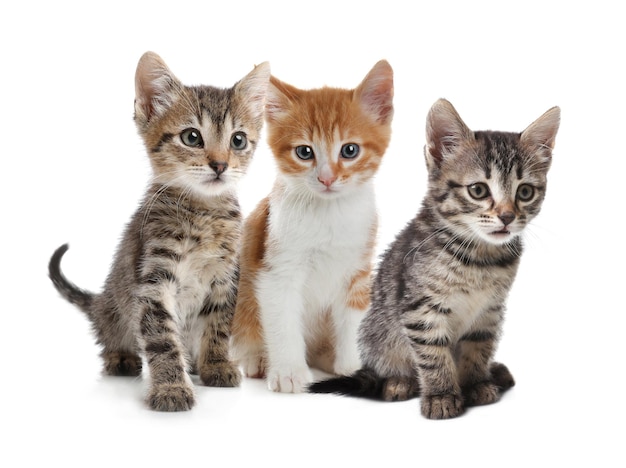
Good breeders want educated buyers and will:
- Encourage you to ask questions
- Provide references from previous buyers
- Give you time to think about your decision
- Be transparent about potential issues or challenges
Health and Behavioral Warning Signs
Kittens that appear lethargic, underweight, or sickly
Healthy Bengal kittens should be:
- Active and playful when awake
- Alert and responsive to stimulation
- Well-proportioned and appropriately weighted for their age
- Free from discharge from eyes or nose
Lack of proper veterinary care or vaccination records
All kittens should have:
- Initial veterinary examinations
- Age-appropriate vaccinations
- Deworming treatments
- Documentation of all medical care
Parent cats that seem fearful, aggressive, or poorly socialized
The temperament of parent cats often influences their offspring:
- Both parents should be comfortable around people
- They shouldn’t show extreme fear or aggression
- They should appear healthy and well-cared for
- The mother cat should be protective but not overly aggressive
Summary
Finding a reputable Bengal cat breeder requires thorough research, patience, and careful evaluation of multiple factors. The process involves understanding what makes Bengal cats special, identifying the qualities that distinguish responsible breeders from less reputable ones, and knowing where to look for qualified breeders in your area.
By asking the right questions about health testing, breeding practices, and support services, you can make an informed decision. Equally important is recognizing warning signs that indicate poor breeding conditions or questionable business practices.
Taking the time to find the right breeder will help ensure you bring home a healthy, well-socialized Bengal kitten that will be a wonderful companion for years to come. Remember, a good breeder isn’t just selling you a kitten – they’re welcoming you into their extended family and will be there to support you throughout your Bengal’s life.
The extra time and effort you put into finding the right breeder will pay off tremendously in the long run. Your future self (and your Bengal cat) will thank you for being thorough and selective in this important decision.
Frequently Asked Questions
Q: How much should I expect to pay for a Bengal kitten from a reputable breeder?
A: Bengal kitten prices typically range from $2,000 to $4,000, with show-quality cats potentially costing more. Factors affecting price include generation, quality, coat pattern, breeder reputation, and location.
Q: How far should I be willing to travel to find a good Bengal breeder?
A: Many Bengal enthusiasts travel 2-4 hours or even fly to other states for the right breeder. The breeder’s reputation and the quality of their cats should take priority over proximity.
Q: What health tests should Bengal breeding cats have completed?
A: Reputable Bengal breeders should test for hypertrophic cardiomyopathy (HCM), progressive retinal atrophy (PRA), and pyruvate kinase deficiency (PK-def). Ask to see current health certificates for both parents.
Q: How long should I expect to wait for a Bengal kitten?
A: Waiting lists for quality Bengal breeders often range from 6 months to 2 years. Popular breeders with excellent reputations typically have longer waiting periods.
Q: Is it safe to buy a Bengal kitten that will be shipped to me?
A: While many reputable breeders safely ship kittens, it’s always preferable to pick up your kitten in person. This allows you to see the breeding facility and meet the parent cats firsthand.
Bengal Cat Breeders | Bengal Cat Breeders | Bengal Cat Breeders | Bengal Cat Breeders | Bengal Cat Breeders | Bengal Cat Breeders | Bengal Cat Breeders | Bengal Cat Breeders | Bengal Cat Breeders | Bengal Cat Breeders | Bengal Cat Breeders | Bengal Cat Breeders | Bengal Cat Breeders | Bengal Cat Breeders | Bengal Cat Breeders | Bengal Cat Breeders | Bengal Cat Breeders | Bengal Cat Breeders | Bengal Cat Breeders | Bengal Cat Breeders | Bengal Cat Breeders