

Blog
How to Stop Cat Play Aggression

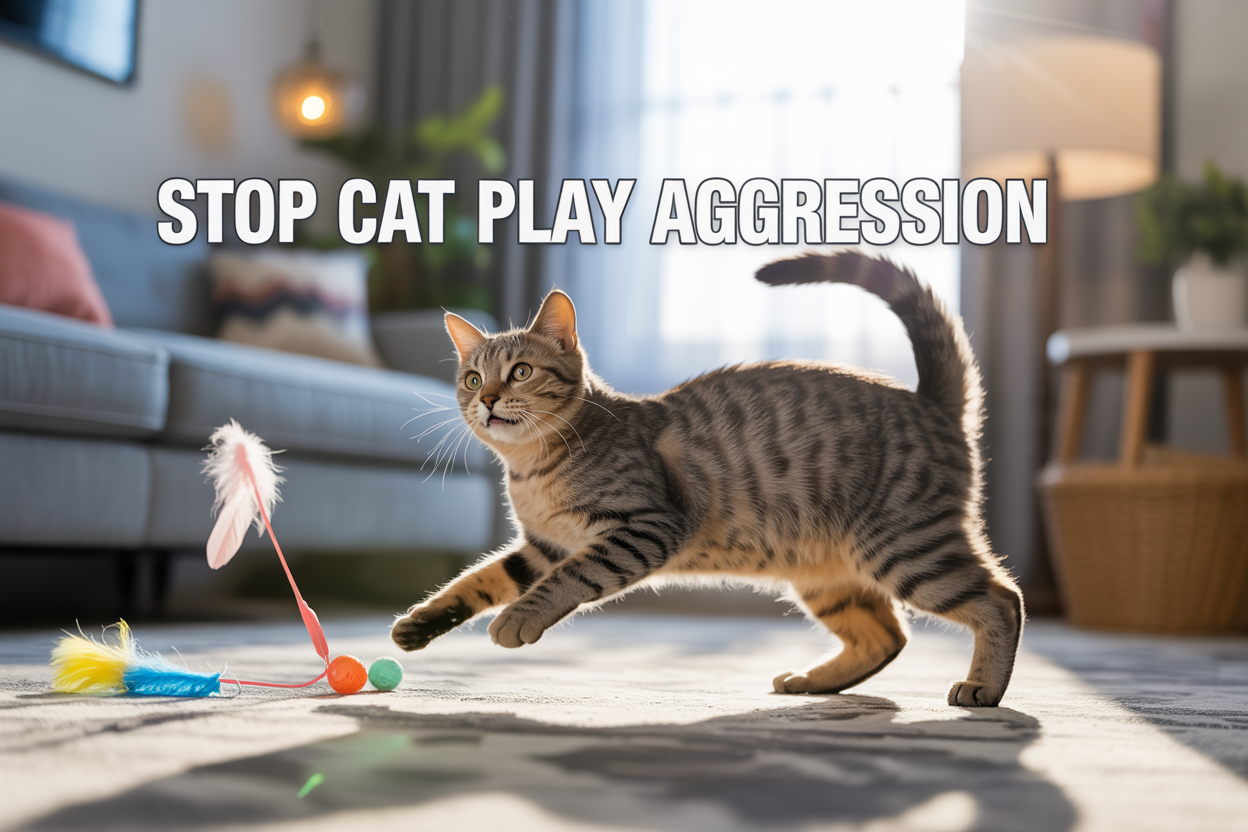
How to Stop Cat Play Aggression: Expert Tips for Calming Rough Cats
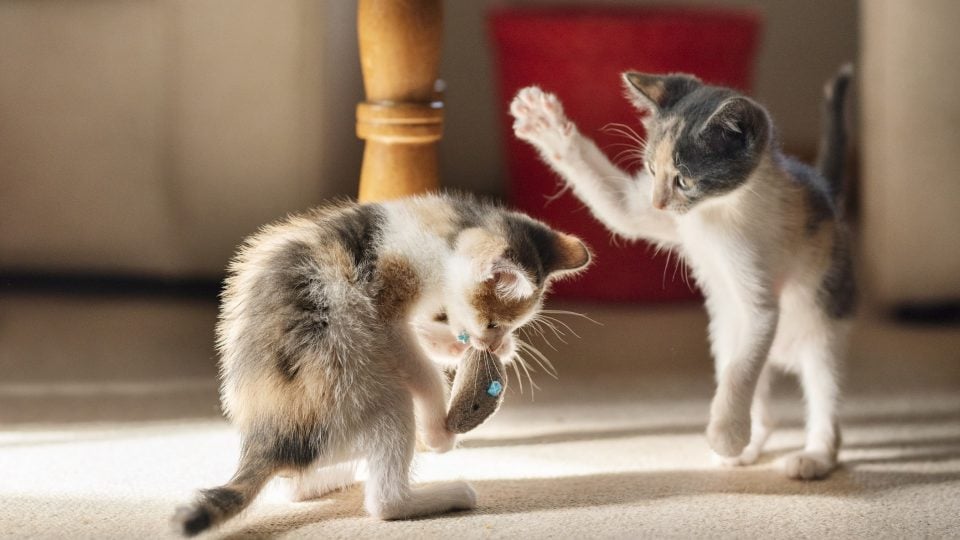
This behavior is especially common in kittens and young cats who missed early socialization or were weaned too soon. The good news? Play aggression isn’t permanent, and you don’t have to avoid playing with your cat forever.
We’ll walk you through the root causes behind aggressive play behavior and teach you to spot the warning signs before your cat’s tail starts thrashing and pupils dilate. You’ll also learn essential play guidelines and proven strategies to redirect this behavior, plus long-term solutions that create lasting change in how your cat interacts during playtime.
Understanding the Root Causes of Cat Play Aggression
Natural predatory instincts and boundary testing behaviors
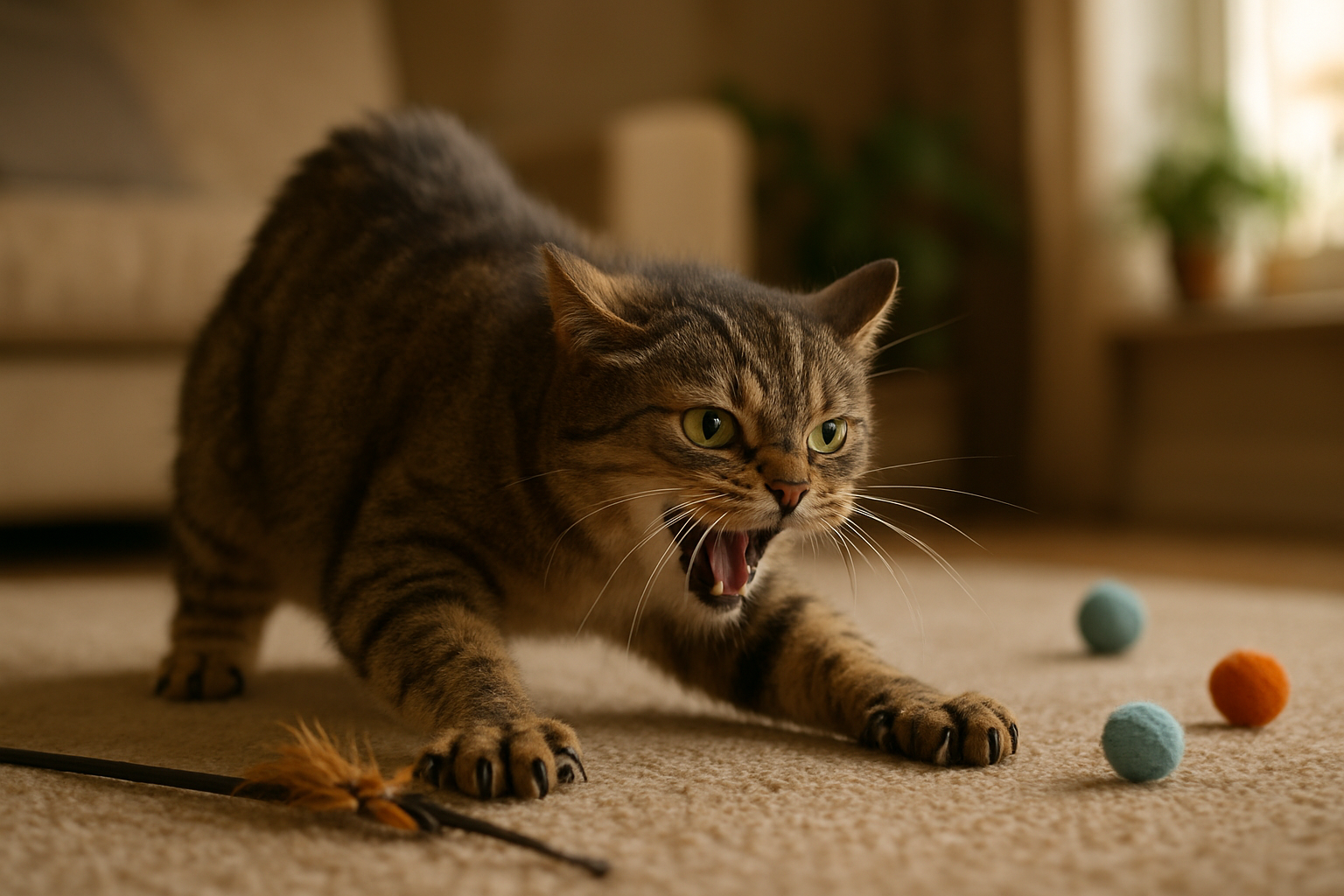
Cats naturally engage in play that mirrors their predatory instincts, making aggressive play behaviors an inherent part of their genetic makeup. Play aggression serves as a crucial learning mechanism where cats practice hunting skills, stalking, pouncing, and capturing prey. This instinctual behavior explains why many cat owners observe their pets exhibiting intense focus, dilated pupils, and swift movements during play sessions.
Beyond practicing hunting techniques, play aggression functions as a boundary-testing mechanism similar to how cats interact with other felines in their social hierarchy. Through rough play, cats learn to establish dominance, understand social limits, and develop appropriate communication skills with both humans and other cats. This natural process helps them navigate complex social situations throughout their lives.
Early socialization issues and premature weaning effects
Cats that lack proper socialization during their critical early weeks often struggle with understanding appropriate play boundaries later in life. Kittens not raised with littermates miss essential opportunities to learn bite inhibition, proper play intensity, and social cues that distinguish between acceptable and aggressive behavior.
Premature weaning or early separation from littermates creates particularly challenging behavioral issues. Cats removed from their mothers and siblings before eight weeks may never fully grasp the difference between play and predatory behavior, leading to more intense and potentially harmful play sessions. These cats often exhibit confusion about appropriate force levels, duration of play, and when to stop engaging. how to stop cat play aggression
Under-stimulation and environmental boredom factors
Environmental boredom and lack of mental stimulation significantly contribute to the development of play aggression in cats. When cats don’t receive adequate enrichment through interactive toys, scratching posts, and varied environmental features, they may redirect their natural energy into inappropriate aggressive behaviors during play sessions.
Under-stimulated cats often exhibit heightened intensity during play because these sessions become their primary outlet for physical and mental energy. Without proper environmental enrichment, cats may view human interaction as their sole opportunity for stimulation, leading to overly aggressive play that can escalate quickly.
Age-related patterns in aggressive play behavior
Cats under two years of age demonstrate higher propensity for play aggression as they undergo crucial developmental learning processes. Young cats are actively developing their understanding of appropriate social interactions, physical coordination, and impulse control, making them more likely to engage in rough play behaviors.
This age-related pattern reflects the natural maturation process where kittens and young cats use play as their primary educational tool. As cats mature beyond two years, they typically develop better self-regulation and understanding of appropriate play boundaries, though environmental factors and early experiences continue to influence their behavior patterns.
Recognizing Warning Signs Before Aggression Escalates
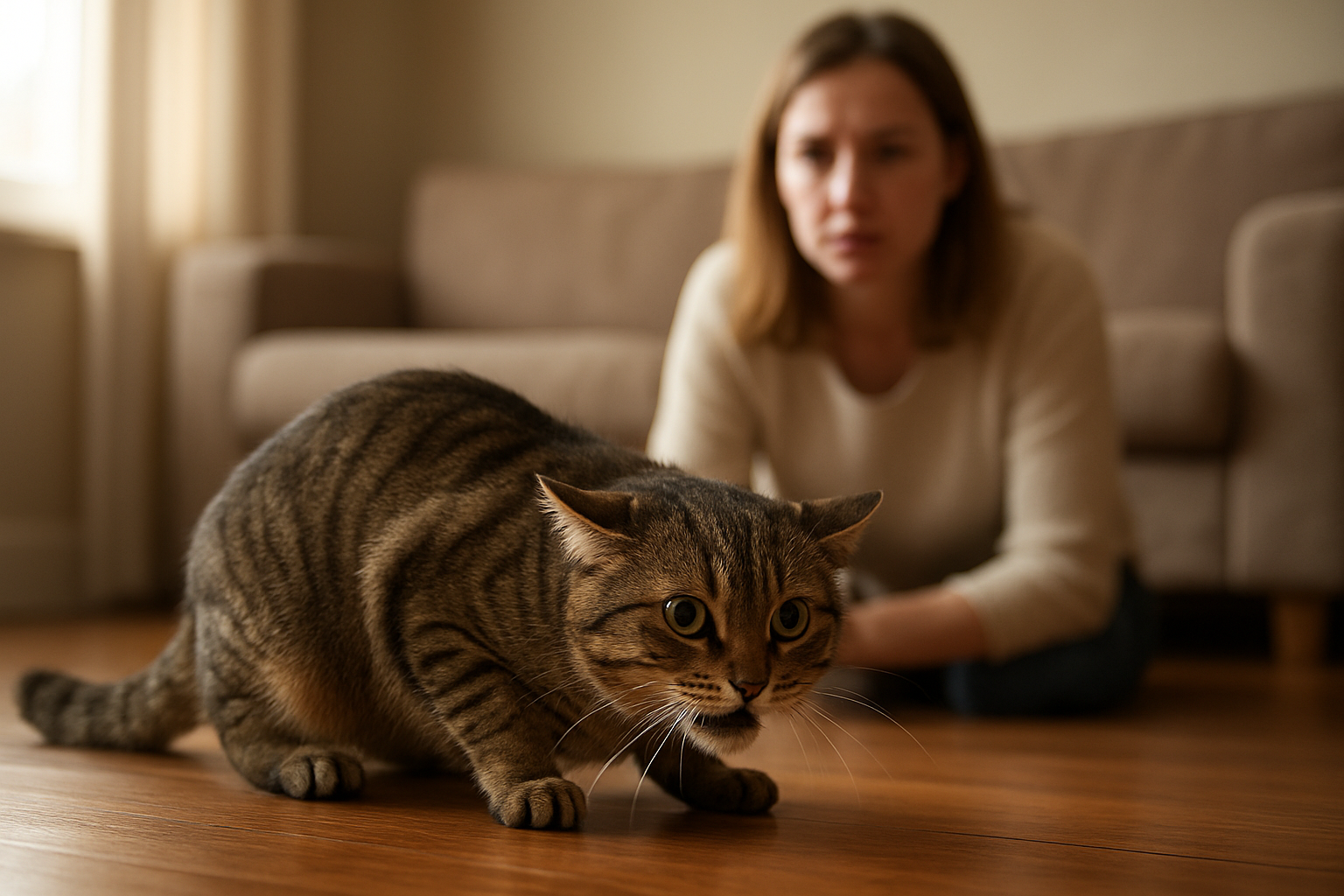
Understanding the physical warning signs of cat play aggression is crucial for preventing escalation. The most noticeable physical indicators include tail thrashing, which signals overstimulation and impending aggressive behavior. When you observe your cat’s tail switching rapidly or beating against surfaces, this is a clear signal to immediately stop interactive play and allow your cat to calm down.
Equally important are the changes in your cat’s eyes and ears. Wide, dilated pupils indicate high arousal and excitement that can quickly turn aggressive. This dilation occurs even in well-lit environments and serves as an early warning system for pet owners. Additionally, pinned ears pressed flat against the head demonstrate that your cat is becoming defensive and may lash out.
These physical signs of cat play aggression often appear together, creating a clear picture of escalating tension. Recognizing these indicators early allows you to redirect the play session before your cat becomes overstimulated and potentially aggressive.
Stalking Behaviors and Positioning Patterns
Beyond physical changes, cats display specific behavioral patterns that predict aggressive play episodes. Stalking behaviors are among the most common warning signs, where cats position themselves to pounce on family members from hidden locations. This stalking often involves your cat following you or other household members while maintaining a low, predatory posture. how to stop cat play aggression
The positioning patterns typically include cats hiding behind furniture, around corners, or in doorways where they can launch surprise attacks. These strategic positions allow cats to satisfy their hunting instincts but can quickly escalate into problematic aggressive play if not properly managed.
Timing and Location-Based Aggression Triggers
Aggressive play behavior often follows predictable patterns related to timing and specific locations within your home. Many cats exhibit heightened aggression during certain times of day, particularly during their natural hunting periods at dawn and dusk. Understanding these timing patterns helps pet owners anticipate and prevent aggressive episodes before they begin.
Location-based triggers are equally important to recognize. Common aggressive play locations include areas behind sofas, under tables, or near doorways where cats can easily ambush unsuspecting family members. By identifying these high-risk locations, you can take preventative measures to reduce opportunities for aggressive play.
Environmental Cues That Predict Aggressive Episodes
Environmental factors play a significant role in predicting when aggressive play episodes might occur. Identifying these patterns allows for preventative steps that can effectively manage your cat’s behavior before it becomes problematic. Key strategies include blocking access to favorite hiding spots or preventing entry to rooms where aggressive play frequently happens.
When behavioral patterns are unclear or difficult to predict, practical solutions can help. Using a collar with a bell enables you to hear your cat approaching, providing advance warning of potential aggressive play attempts. This simple tool helps break the element of surprise that cats rely on for their stalking and pouncing behaviors, effectively reducing the likelihood of aggressive encounters.
Essential Play Guidelines to Prevent Rough Behavior
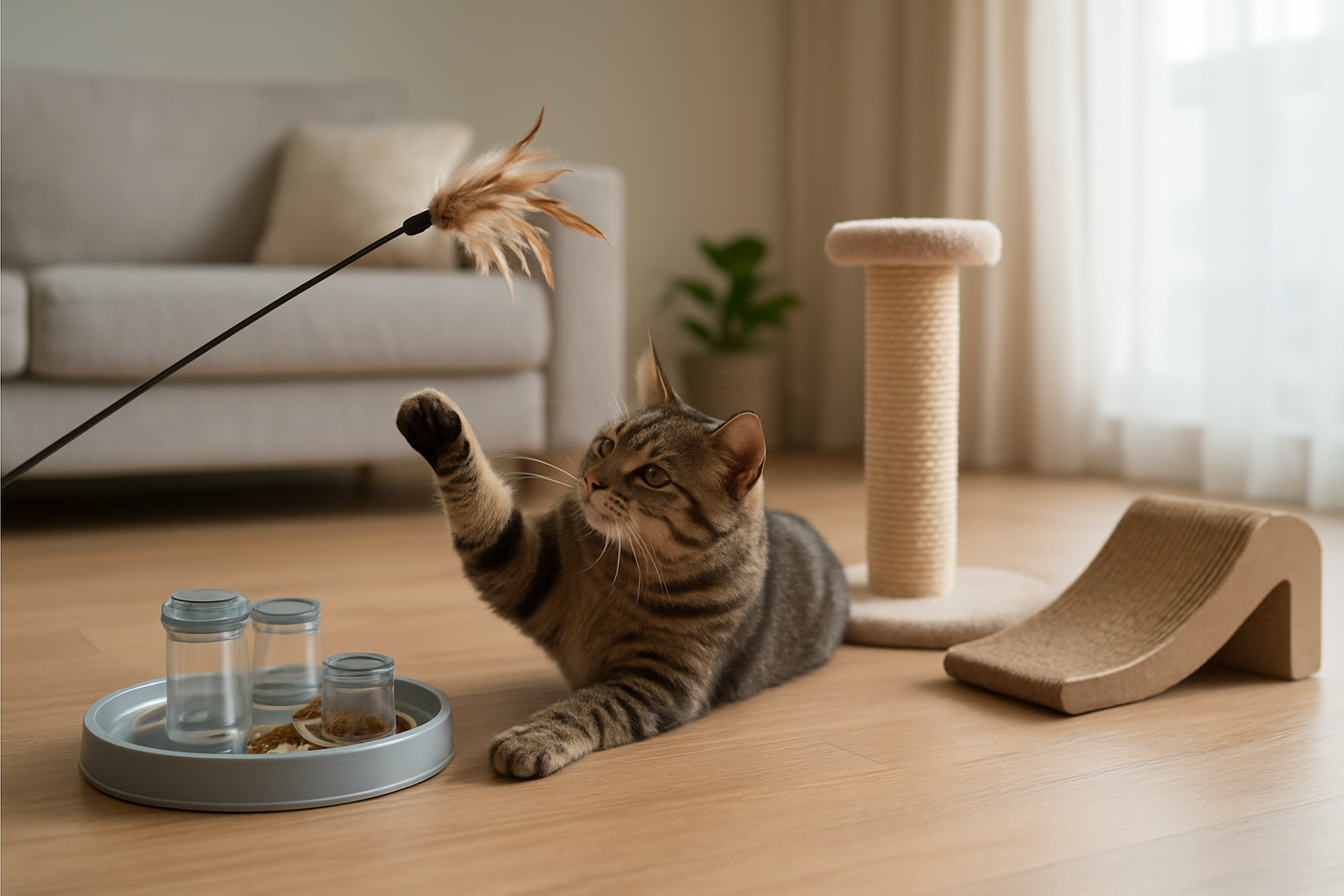
The most fundamental rule when learning how to stop cat play aggression is to avoid using hands, feet, or any other body parts as toys during play sessions. This practice prevents your cat from developing the dangerous habit of play-hunting with you as the target. When cats engage in rough play with human flesh, they quickly learn to associate your body parts with appropriate prey objects, leading to escalating aggressive behaviors. how to stop cat play aggression
Hands should be exclusively reserved for stroking, holding, and gently petting your cat when they are in a calm state. This clear distinction helps establish proper boundaries and prevents confusion about when aggressive play is acceptable. Rough play with hands and feet can mislead cats into thinking it’s perfectly normal to bite or scratch human flesh, creating a pattern that becomes increasingly difficult to break over time.
Choose Appropriate Distance Toys Like Fishing Rods and Feather Wands
To effectively prevent aggressive cat play, use distance toys such as fishing rod toys or feathers on a stick that keep your fingers safely out of the firing line. These interactive toys for cats with play aggression allow you to engage your pet in stimulating play while maintaining a safe physical distance from their claws and teeth.
Distance toys provide the perfect solution for redirecting your cat’s hunting instincts toward appropriate targets. The movement and unpredictable nature of these toys satisfy your cat’s predatory needs without encouraging them to view you as prey. This approach is particularly effective for managing kitten play aggression, as young cats are still learning appropriate play behaviors.
Establish Consistent Playtime Routines and Boundaries
Consistent messaging about appropriate play is crucial for long-term success in preventing cat play aggression. Engage in play sessions on your terms by establishing set times of day for interactive play, so your cat knows exactly when to expect these activities. This predictability helps reduce spontaneous aggressive outbursts and teaches your cat to channel their energy during designated periods.
Creating structured play routines also helps address why indoor cats often have more play aggression – they lack natural outlets for their hunting instincts. Regular, scheduled play sessions provide the mental and physical stimulation necessary to prevent behavioral issues from developing.
Focus on Positive Interactions on Your Terms
Building a foundation of positive, gentle, and calm interactions fosters a healthy relationship dynamic between you and your cat. By maintaining control over when and how play occurs, you establish yourself as the leader while still providing the enrichment your cat needs. This approach prevents the common mistake of allowing cats to initiate aggressive play whenever they desire, which often leads to escalating behavioral problems and teaches cats that aggressive behavior is an effective way to get attention.
Proven Strategies to Stop Aggressive Play Immediately
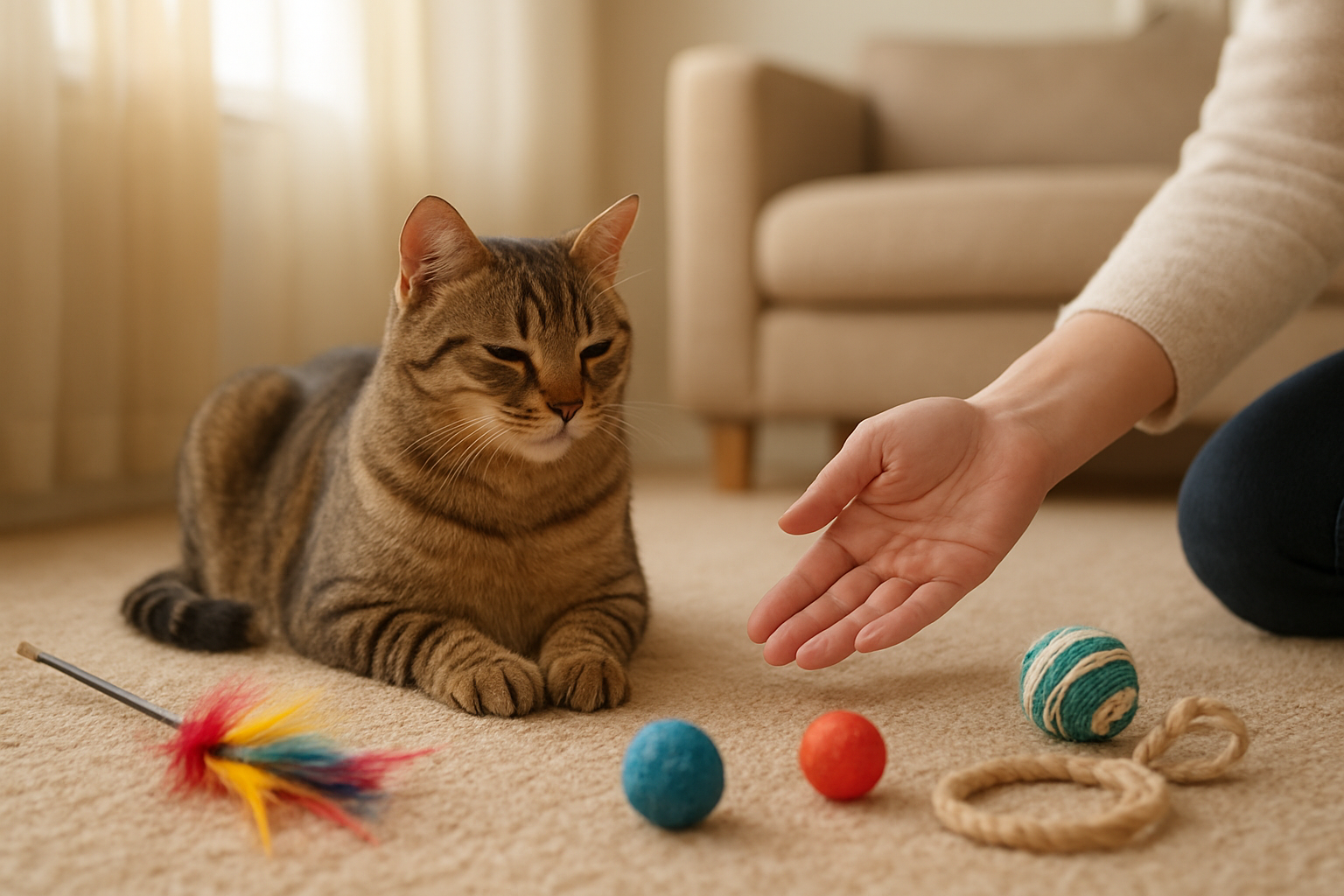
If your cat becomes overly aggressive during play, the most crucial step is to stop the game immediately. This immediate intervention prevents the behavior from escalating and establishes clear boundaries for acceptable play behavior. When you notice signs of aggressive play, issue a calm ‘no’ to your cat without raising your voice or showing agitation. Your response should remain controlled and measured, as cats are highly sensitive to energy and emotional states.
After delivering the verbal cue, quietly leave the room to a safe space where your cat cannot follow or continue the aggressive behavior. This strategic withdrawal serves dual purposes: it removes you from potential harm while sending a clear message to your cat about behavioral expectations. The key to this technique’s effectiveness lies in consistency and timing – the cessation must occur at the first sign of inappropriate play, not after the behavior has already escalated.
Strategic room removal and ignoring inappropriate behavior
Cats are intelligent creatures that quickly learn cause-and-effect relationships. Through consistent application of the room removal technique, cats will learn that aggressive behavior is not tolerated and leads to being ignored. This approach leverages a cat’s natural desire for interaction and attention, making the consequence of losing social engagement particularly effective.
The ignoring strategy works because it removes the reward (your attention and interaction) that often reinforces aggressive play behavior. When you consistently respond to rough play by withdrawing your presence, your cat begins to associate aggressive actions with the end of fun and engagement. This method requires patience and persistence, as behavioral changes don’t occur overnight, but the results are typically lasting when applied correctly.
Pocket toy distraction methods for random attacks
For managing unexpected aggressive episodes, particularly those targeting your ankles or feet, carry a small toy in your pocket as a immediate redirection tool. When your cat launches a random attack, quickly throw the toy away from you to redirect their hunting instincts toward an appropriate target. This technique works by providing an instant outlet for your cat’s predatory energy while simultaneously removing you from the equation.
The pocket toy method is especially effective for cats who exhibit stalking behaviors or surprise attacks during daily activities. By consistently having a distraction tool available, you can quickly transform an inappropriate hunting scenario into acceptable play. The key is to throw the toy in the opposite direction from where you’re located, encouraging your cat to chase the toy instead of continuing to target your body.
Environmental modifications to block hiding spots
Prevention often proves more effective than intervention when managing cat play aggression. Block key hiding areas or prevent access to rooms where aggressive play frequently occurs to stop aggression before it starts. Common problematic areas include spaces under furniture, behind curtains, or in corners where cats can ambush unsuspecting humans.
By strategically modifying your cat’s environment, you eliminate opportunities for surprise attacks and reduce the likelihood of aggressive play episodes. This proactive approach addresses the behavioral triggers at their source, creating a safer living environment for both you and your cat. Consider using furniture blockers, rearranging room layouts, or restricting access to certain areas during peak activity times to minimize aggressive play opportunities.
Long-term Solutions for Lasting Behavior Change
 Providing Adequate Mental and Physical Enrichment
Creating lasting behavior change in cats with play aggression requires a comprehensive approach to environmental enrichment for aggressive cats. Your cat’s needs must be met through adequate mental and physical stimulation to prevent the boredom and frustration that often fuel aggressive behaviors. When cats lack sufficient outlets for their natural hunting instincts and energy, they frequently redirect this intensity toward inappropriate targets like human hands or feet.
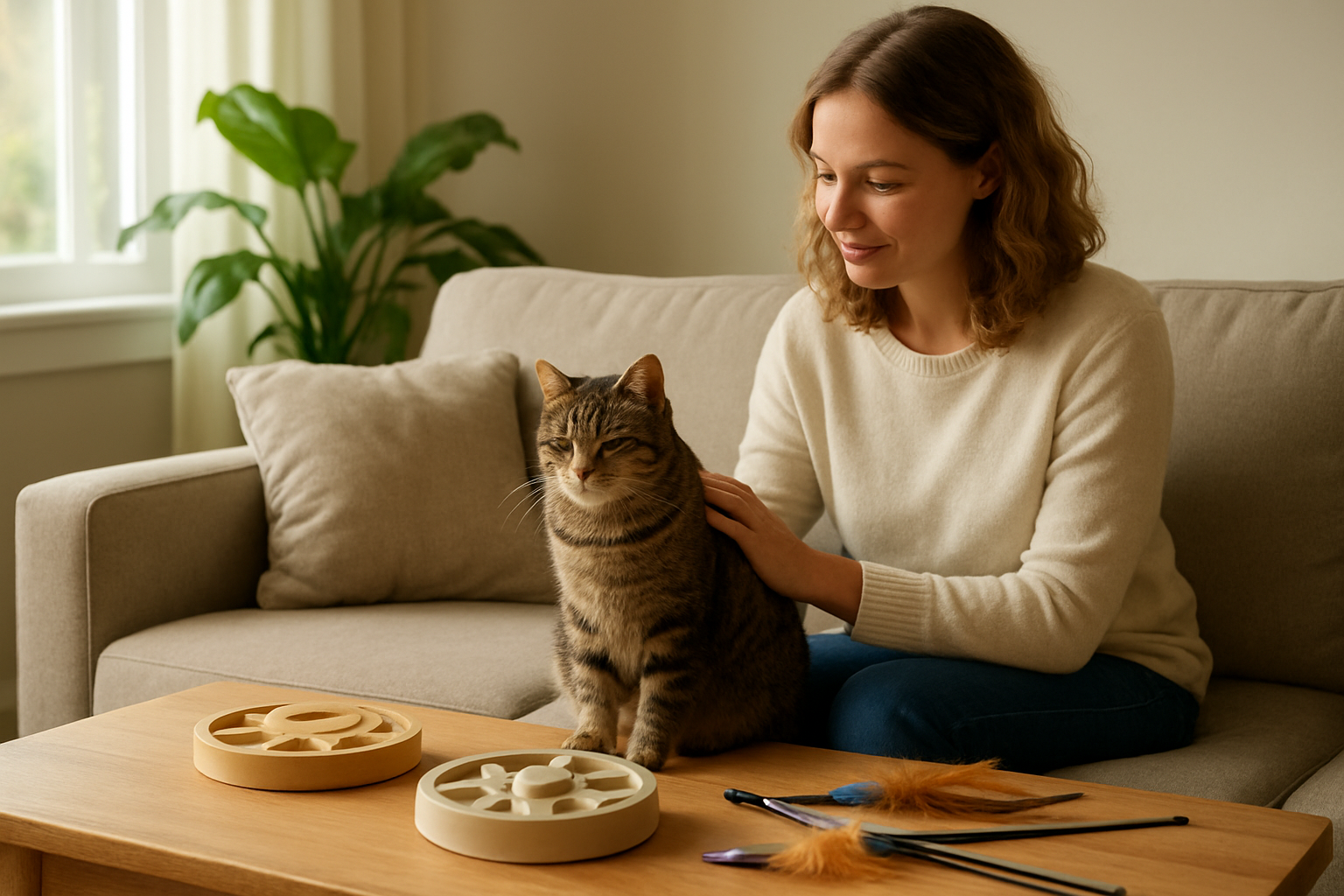
Mental enrichment involves puzzle feeders, treat-dispensing toys, and activities that challenge your cat’s problem-solving abilities. Physical stimulation should include regular interactive play sessions using wand toys and other safe interactive toys for cats with play aggression. The key is consistency – establishing daily routines that satisfy your cat’s instinctual needs before aggressive behaviors have a chance to develop.
Meeting Environmental Needs with Toys and Scratching Posts
Now that we understand the importance of enrichment, let’s focus on the specific environmental elements your cat requires. You must provide plenty of enrichment in the home environment, including toys, scratching posts, and other cat furniture, to prevent boredom and frustration from taking hold.
Scratching posts serve multiple purposes beyond claw maintenance – they provide physical exercise, territorial marking opportunities, and stress relief. Position scratching posts in areas where your cat naturally wants to scratch, ensuring they’re tall enough for full-body stretching.
The selection of toys matters significantly when dealing with how to stop cat play aggression. Rotate toys regularly to maintain novelty, and ensure a variety of textures, sizes, and movement patterns. Interactive toys that mimic prey behavior are particularly effective at channeling natural hunting instincts into appropriate outlets.
Professional Help from Veterinarians and Behaviorists
With this foundation in place, it’s important to recognize when professional intervention becomes necessary. If you find yourself struggling with a cat’s behavior despite implementing environmental enrichment, speak to a veterinarian or a qualified pet behaviorist for professional help.
Veterinarians can rule out underlying medical conditions that might contribute to aggressive behaviors, while certified behaviorists offer specialized expertise in modifying problematic play patterns. These professionals can develop customized behavior modification plans tailored to your specific situation and provide ongoing support throughout the training process.
Professional help becomes particularly valuable when dealing with complex cases involving multiple cats, severe aggression, or when previous attempts at behavior modification have failed. Don’t hesitate to seek guidance – early intervention often leads to more successful outcomes.
Avoiding Punishment While Reinforcing Positive Play Patterns
Previously, many cat owners made the critical error of using punishment-based methods, but this approach consistently backfires. Never punish or scare your cat for aggressive behavior, as this can worsen aggressive tendencies and make your cat fearful of you. Fear-based responses often escalate aggression rather than reducing it, creating a cycle that becomes increasingly difficult to break.
Instead, help your cat learn appropriate play by not reinforcing aggressive play patterns. This means avoiding common mistakes like laughing off kitten bites that could lead to ongoing aggression in adulthood. Even seemingly harmless reactions to aggressive play can inadvertently reinforce the behavior.
Positive reinforcement focuses on rewarding calm, gentle play behaviors while redirecting aggressive tendencies toward appropriate outlets. When your cat engages in gentle play, immediately reward with treats, praise, or continued play. This approach builds trust while clearly communicating which behaviors earn positive attention, creating lasting behavior change through understanding rather than fear.
7 FAQ About how to stop cat play aggression

Sudden changes in play behavior can happen for several reasons. Your cat might be entering adolescence if they’re between 6-18 months old, which naturally increases energy and hunting instincts. Medical issues like pain, dental problems, or neurological conditions can also trigger aggressive behavior. Environmental stressors such as moving homes, new pets, or changes in routine often manifest as rough play. If your cat’s behavior changed overnight, schedule a vet visit to rule out health problems.
How can I tell the difference between play and aggression in cats?
True play involves relaxed body language, alternating between chasing and being chased, and usually includes purring or chirping sounds. Signs of play aggression to watch for include flattened ears, dilated pupils, hissing, growling, and sustained attacking without breaks. Aggressive cats often target hands and feet specifically, while playful cats typically engage with toys or other cats. Watch for overstimulation cues like twitching tail tips and sudden stillness before pouncing.
What toys work best to reduce cat play aggression?
Interactive toys for cats with play aggression should redirect their hunting instincts safely. Feather wands allow distance between you and your cat’s claws, while puzzle feeders challenge their minds. Motion-activated toys provide independent play when you’re not available. Avoid toys that look like hands or feet, as these encourage attacking humans. Rotate toys weekly to maintain interest and prevent boredom that leads to aggressive outbursts.
How often should I play with my aggressive cat?
How long to play with a cat showing aggression depends on their energy level, but aim for 2-3 sessions daily lasting 10-15 minutes each. Morning and evening play sessions work best, mimicking natural hunting times. Watch for signs your cat is getting overstimulated during play – twitching skin, heavy breathing, or suddenly stopping to stare. End sessions before aggression escalates by gradually slowing the toy’s movement.
Can training stop my cat from biting during play?
Training techniques for cat play aggression focus on positive reinforcement and redirection. When your cat starts getting rough, immediately stop interaction and ignore them for 5-10 minutes. Reward gentle play with treats and praise. Never use your hands as toys or rough-play with kittens, as this teaches them that human skin is appropriate to attack. Consistency across all family members prevents mixed messages.
What environmental changes help reduce aggressive play?
Environmental enrichment for aggressive cats includes providing vertical spaces like cat trees, hiding spots, and window perches for mental stimulation. Multiple scratching posts give outlets for energy and territorial marking. Consider pheromone diffusers to reduce stress-related aggression. For multi-cat households, ensure each cat has separate resources to prevent competition that can escalate into aggressive play sessions.
When should I seek professional help for cat aggression?
Contact a veterinary behaviorist if your cat’s aggression is escalating, causing injuries, or hasn’t improved after 4-6 weeks of consistent training. Professional help for cat aggression issues becomes necessary when cats show true aggression (not just rough play) or when household members feel unsafe. Some cats need anti-anxiety medications alongside behavior modification to successfully overcome persistent play aggression patterns.
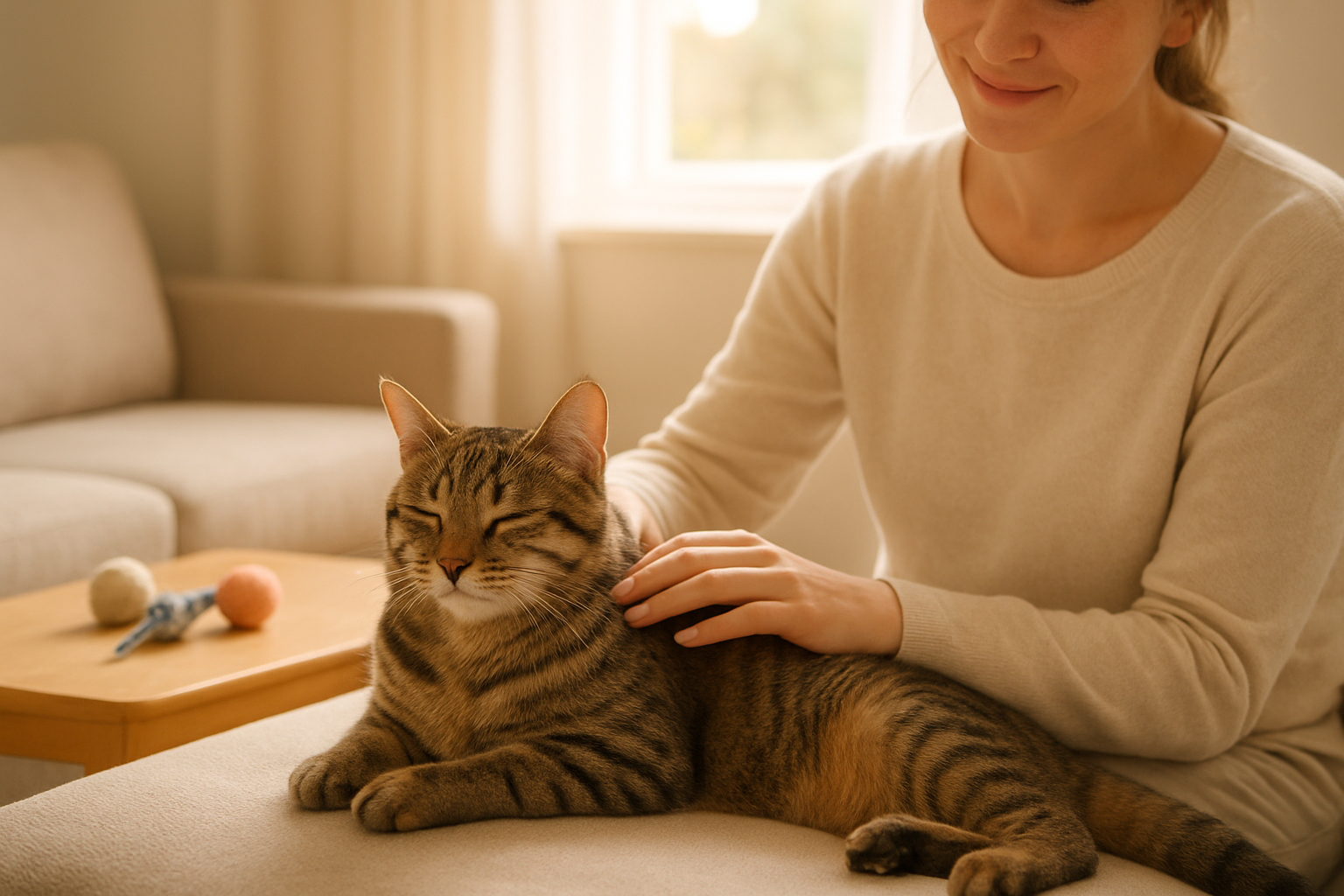 Managing cat play aggression requires patience, consistency, and understanding of your feline’s natural instincts. By recognizing the warning signs early, implementing proper play guidelines with appropriate toys, and using proven redirection techniques, you can transform aggressive play sessions into positive bonding experiences. Remember that most cats under two years old exhibit this behavior as part of their natural development, and with the right approach, they typically grow out of it.
The key to lasting success lies in maintaining consistent boundaries while providing adequate mental and physical stimulation through interactive toys and structured play sessions. Never use punishment or rough play, as these approaches will only escalate the problem and damage your relationship with your cat. If you’re struggling despite implementing these strategies, don’t hesitate to consult your veterinarian or a qualified pet behaviorist for additional guidance. With dedication and the right techniques, you can enjoy peaceful, playful interactions with your cat for years to come.