

Blog
How Much Does it Cost to Adopt a Cat?

How Much Does it Cost to Adopt a Cat?
How Much Does It Cost to Adopt a Cat?
Thinking about bringing home a furry friend but worried about cat adoption fees? You’re not alone. Many potential pet parents want to understand the real costs before making this important decision.
This guide is perfect for first-time cat owners, families on a budget, and anyone curious about what they’ll actually spend when adopting a cat. We’ll break down the numbers so you can plan ahead and avoid surprises.
We’ll cover the initial adoption fees from shelters, humane societies, and private rescues, plus all the essential supplies you’ll need right away. You’ll also learn about immediate veterinary care costs and smart ways to save money throughout the adoption process.
Let’s dive into the real costs of cat adoption so you can budget confidently for your new companion.
Initial Adoption Fees from Different Sources
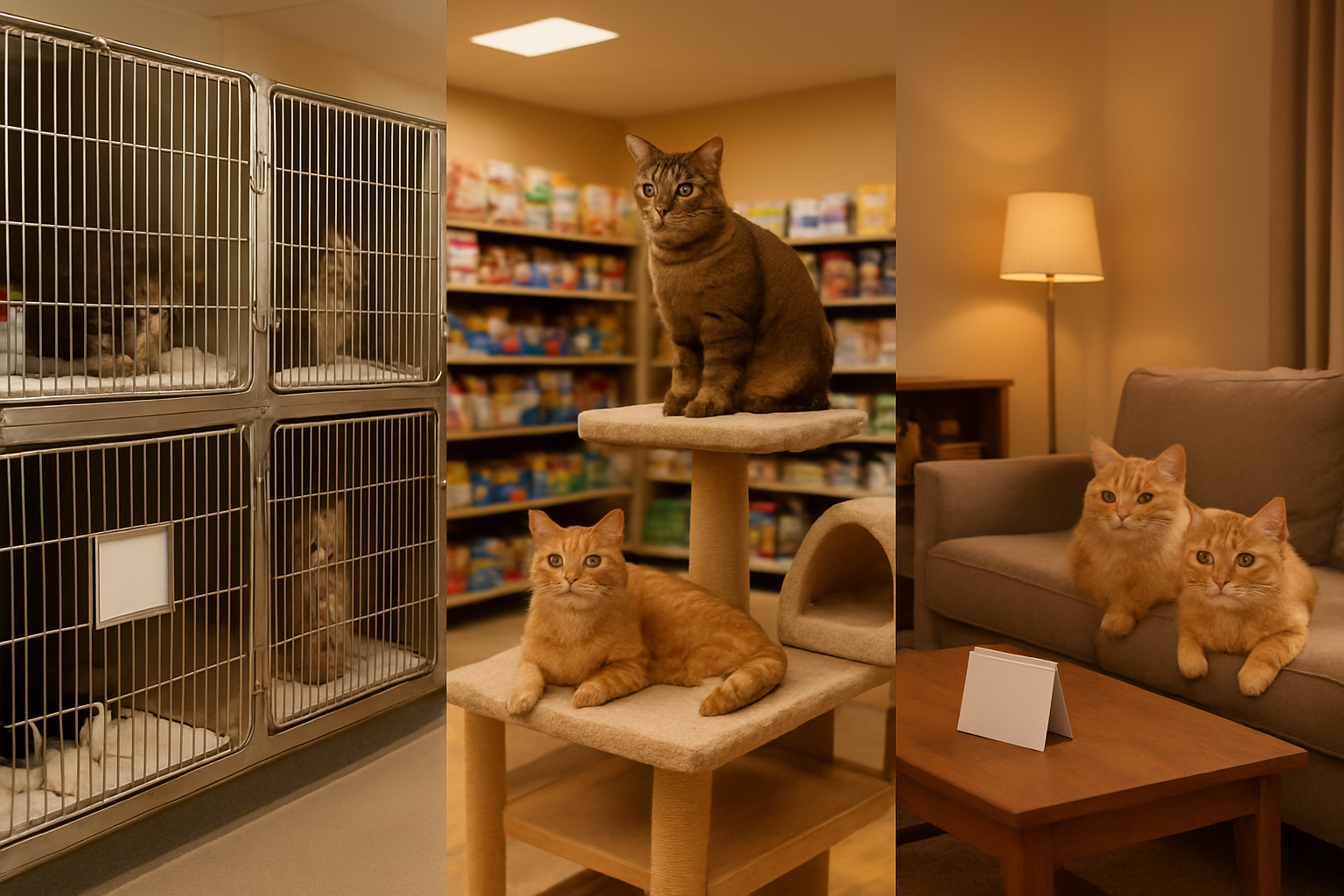
Animal shelter adoption costs and what’s included
Municipal animal shelters typically charge between $50-$200 for cat adoptions, with most falling in the $75-$125 range. These shelter cat adoption cost breakdowns usually include spaying or neutering, basic vaccinations, microchipping, and a health check by a veterinarian. Many shelters also provide a short medical history and behavioral assessment.
The adoption fee often covers FVRCP (feline viral rhinotracheitis, calicivirus, and panleukopenia) vaccines, rabies vaccination if the cat is old enough, deworming, and flea treatment. Some facilities include a starter bag of food, collar, and basic care information packet.
Adult cat adoption costs are generally lower than kitten fees, with senior cats (7+ years) sometimes discounted to $25-$50. Many shelters run free cat adoption events during peak kitten season or when overcrowded, though you’ll still need to budget for immediate supplies.
| Age Group | Typical Fee Range | What’s Included |
|---|---|---|
| Kittens (under 1 year) | $100-$200 | Spay/neuter, vaccines, microchip |
| Adult cats (1-7 years) | $50-$125 | Spay/neuter, vaccines, microchip |
| Senior cats (7+ years) | $25-$75 | Spay/neuter, vaccines, microchip |
Rescue organization fees and additional benefits
Private rescue cat adoption prices range from $100-$400, depending on the cat’s age, breed, and medical needs. Rescue organizations often provide more comprehensive care than municipal shelters, including behavioral training, foster family insights, and ongoing support.
These groups frequently cover additional veterinary care like dental cleanings, treatment for chronic conditions, and extensive behavioral rehabilitation. Many rescues offer post-adoption support, including training resources, temporary boarding during emergencies, and even return policies if circumstances change.
Breed-specific rescues typically charge higher fees ($200-$400) since they often handle cats with known lineages or special care requirements. Some rescues use sliding scale pricing based on adopter income or offer payment plans for approved applicants.
Breeder prices for purebred cats
Purebred cats from reputable breeders cost significantly more than shelter adoptions, ranging from $500-$3,000 or higher for rare breeds. Popular breeds like Maine Coons, Persians, and British Shorthairs typically fall between $800-$2,000, while exotic breeds can exceed $5,000.
Responsible breeders include health testing, initial vaccinations, health guarantees, and registration papers. Many provide spaying/neutering or require proof of the procedure within a specified timeframe. The higher cost reflects genetic testing, show-quality lineage, and extensive health screening.
Kitten adoption costs from breeders often include:
-
Health certificates and genetic testing results
-
Initial vaccination series
-
Microchipping
-
Registration papers
-
Health guarantees (typically 1-2 years)
-
Starter kit with food, toys, and care instructions
Pet store adoption fees and hidden costs
Pet stores partnering with local shelters typically charge similar adoption fees ($75-$200), but watch for additional costs. Some stores add “adoption processing fees,” mandatory supply packages, or require purchasing specific food brands.
These partnerships can be legitimate, but verify that the store works with actual rescue organizations rather than commercial breeding operations. Ask to see the cat’s medical records and confirm which organization you’re actually adopting from.
Hidden costs at pet stores might include:
-
Mandatory supply packages ($50-$150)
-
“Processing” or “handling” fees ($25-$75)
-
Required food purchases (specific brands only)
-
Pressure to buy expensive accessories
Regional cat shelter adoption fees vary significantly by location, with urban areas typically charging more than rural shelters due to higher operating costs and demand.
Essential First-Time Cat Supplies and Equipment

Food and water bowls, litter box setup costs
Getting your new cat set up with proper feeding stations requires more thought than grabbing any old bowls from your kitchen cabinet. Stainless steel or ceramic food bowls cost between $10-25 each and resist bacteria better than plastic alternatives. Many cats develop chin acne from plastic bowls, making this upgrade worth every penny.
Water fountains have become popular among cat owners, ranging from $25-60 for basic models. These encourage better hydration habits, which prevents kidney issues down the road. However, simple ceramic or glass water bowls work perfectly fine for budget-conscious adopters.
Litter box expenses add up quickly but represent one of your most important purchases. Basic plastic boxes cost $15-30, while covered options run $25-50. Self-cleaning models start around $200 but save time and effort for busy households.
Don’t forget the litter itself – expect to spend $15-25 monthly on quality clumping litter. Cheap litter creates more mess and odor problems, making premium brands a smart investment. You’ll also need a litter scoop ($5-15), waste bags, and possibly odor control products.
Location matters for your setup costs too. Urban pet stores typically charge 20-30% more than rural locations, while online retailers often offer bulk discounts that reduce long-term expenses.
Cat carrier, bed, and comfort items expenses
A quality cat carrier ranks as your second-most critical purchase after the litter box setup. Hard-sided carriers cost $30-80 and provide better protection during car trips or emergencies. Soft-sided carriers run $20-50 but work better for calm cats and short trips.
Airlines require specific carrier dimensions, so research travel requirements before buying if you plan to fly with your cat. Carriers meeting airline standards typically cost $50-120 but prevent last-minute scrambling before trips.
Cat beds range from $15 budget options to $100+ luxury models. Many cats ignore expensive beds in favor of cardboard boxes, making this category perfect for starting small and upgrading later. Heated beds ($40-80) appeal to senior cats or those in cold climates.
Blankets and towels from home work perfectly for comfort items initially. New adopters often overspend on specialty cat blankets when regular household linens serve the same purpose. Save money here and invest in higher-quality essentials like carriers and litter boxes.
Window perches ($25-50) and cat trees ($50-200) enhance your cat’s environment but aren’t immediate necessities. Many shelter cats need time to adjust before showing interest in elevated spaces.
Toys, scratching posts, and enrichment purchases
Scratching posts prevent furniture destruction, making them essential rather than optional purchases. Tall posts ($40-100) work best for most cats, though horizontal scratchers ($15-30) suit some preferences better. Sisal-wrapped posts last longer than carpet-covered versions, despite higher upfront costs.
Interactive toys keep indoor cats mentally stimulated and physically active. Feather wands ($8-20) provide excellent exercise opportunities, while puzzle feeders ($15-35) slow down fast eaters and add mental challenges to mealtime.
Catnip toys cost $3-15 each but lose appeal once the catnip scent fades. Refillable toys offer better value than single-use options. About 70% of cats respond to catnip, so test your cat’s reaction before investing heavily.
Electronic toys like laser pointers ($10-25) and motion-activated mice ($20-40) entertain cats when owners are busy. However, always end laser pointer sessions with physical prey your cat can “catch” to prevent frustration.
Rotation keeps toys interesting longer than buying dozens at once. Start with 4-5 different toy types and swap them weekly. This approach maintains novelty while controlling costs.
| Category | Budget Range | Mid-Range | Premium |
|---|---|---|---|
| Food/Water Bowls | $15-30 | $30-60 | $60-100 |
| Litter Setup | $30-50 | $50-100 | $100-250 |
| Carrier & Bedding | $35-70 | $70-150 | $150-300 |
| Toys & Enrichment | $25-50 | $50-100 | $100-200+ |
Immediate Veterinary Care and Health Requirements
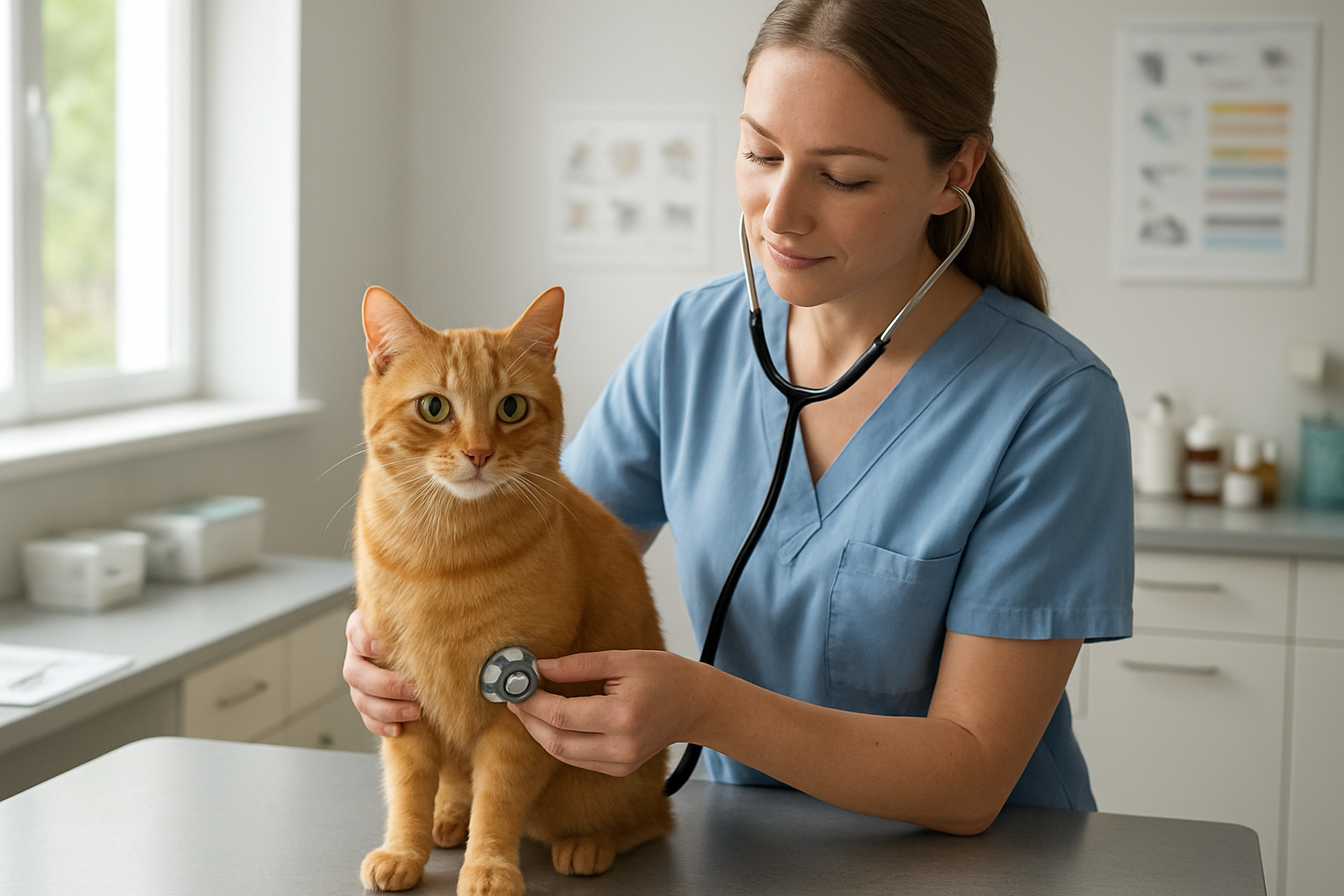
Initial Health Examination and Vaccination Costs
The first vet visit after bringing your new cat home typically costs between $75-150, depending on your location and the veterinarian’s pricing. This comprehensive examination includes checking your cat’s overall health, heart rate, breathing, teeth, ears, and eyes. Many shelters provide basic health records, but your vet will want to establish a baseline for your cat’s health.
Core vaccinations are essential and usually cost $50-100 for the initial series. Cats need protection against rabies, FVRCP (feline viral rhinotracheitis, calicivirus, and panleukopenia), and sometimes additional vaccines based on lifestyle. Kittens require multiple vaccination rounds spaced 3-4 weeks apart, while adult cats may only need boosters.
Some cat adoption fees including vaccines from shelters help offset these costs, but you’ll still need annual boosters. Indoor cats have different vaccination needs than outdoor cats, so discuss your cat’s lifestyle with your vet to determine the appropriate schedule.
Spaying or Neutering Surgery Expenses
Spay/neuter included cat adoption price varies significantly between adoption sources. Many shelters include this surgery in their adoption fees, potentially saving you $200-500. However, if your adopted cat hasn’t been fixed, budget for this essential procedure.
Spaying females typically costs more than neutering males, ranging from $300-600 versus $200-400 respectively. Low-cost clinics and mobile spay/neuter programs can reduce these expenses significantly, sometimes offering services for $50-150.
Recovery care adds another $30-50 for pain medication and an Elizabethan collar to prevent licking. Schedule the surgery within the first few weeks of adoption to prevent unwanted behaviors and health issues.
Microchipping and Identification Fees
Microchipping costs $25-75 and provides permanent identification for your cat. Many shelters include microchipping in their adoption packages, but verify the registration is transferred to your name. Some adoption programs advertise kitten adoption cost with microchip as a package deal.
Traditional ID tags and collars cost $10-25 but serve as immediate visual identification. Breakaway collars are essential for cats to prevent choking hazards. Consider GPS tracking collars ($50-150) for outdoor cats, though these require monthly service fees.
Flea, Tick, and Parasite Prevention Treatments
Initial parasite treatment often costs $40-80, especially important since shelter environments can harbor parasites despite cleaning protocols. Your vet may recommend immediate deworming and flea treatment even if your cat appears healthy.
Monthly preventive treatments range from $15-40 per month, depending on the product and your cat’s weight. Combination treatments that prevent fleas, ticks, heartworms, and intestinal parasites offer convenience but cost more than single-purpose products.
Flea infestations can be expensive to eliminate once established, potentially costing $200-400 for professional treatment and home remediation. Preventive care proves much more cost-effective than treating active infestations.
Ongoing Monthly and Annual Cat Care Expenses
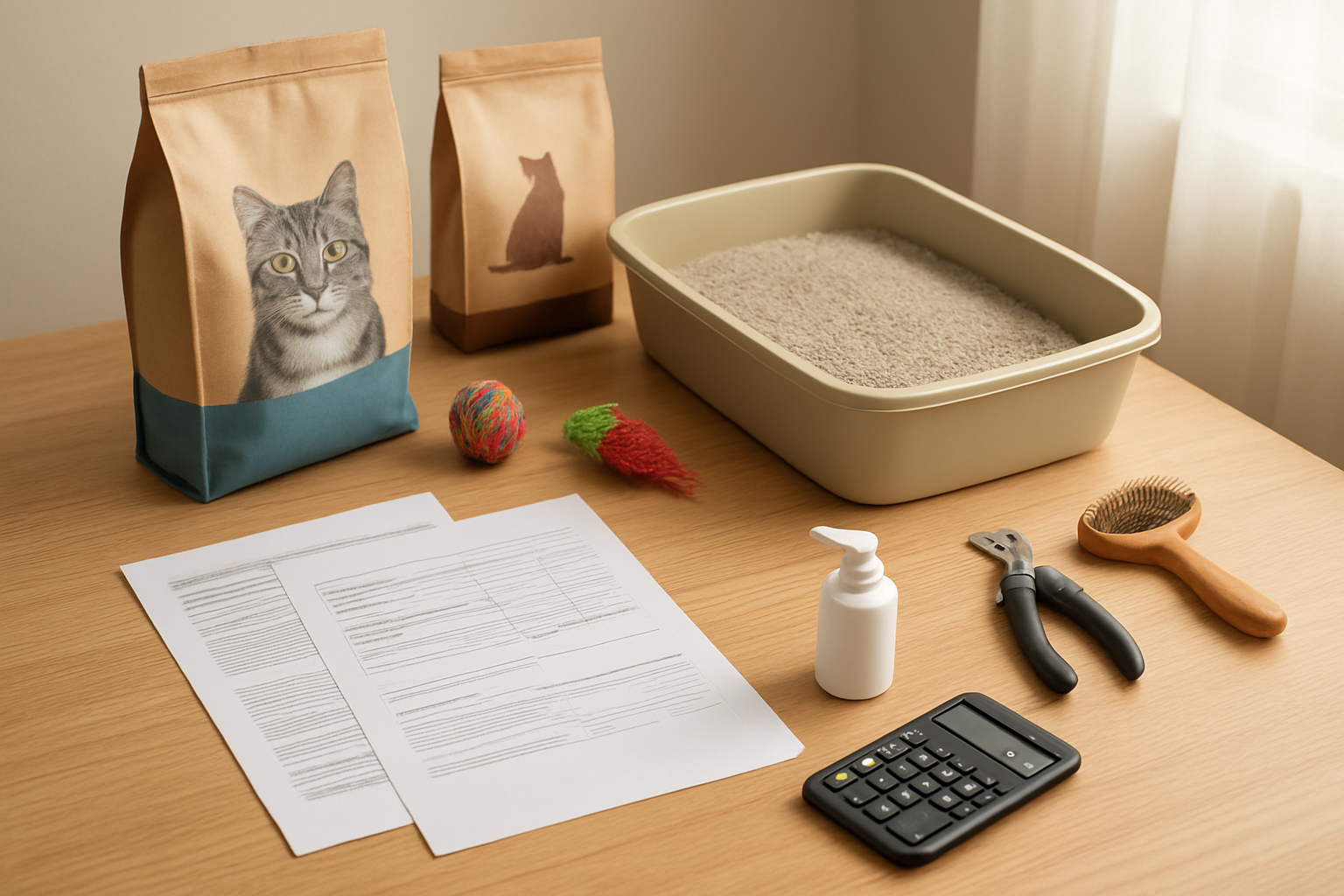
Quality cat food and treat budget planning
Monthly food costs for cats typically range from $15 to $50, depending on the quality and brand you choose. Premium brands with high-quality protein sources and limited ingredients cost more upfront but often provide better nutrition per serving. Dry food generally costs less than wet food, but many veterinarians recommend a combination of both for optimal health.
Budget-conscious cat owners can expect to spend around $180 to $300 annually on food alone. Kittens eat more frequently and may require special kitten formula, increasing costs during their first year. Senior cats often need specialized diets that can push monthly expenses toward the higher end of the range.
Treats shouldn’t exceed 10% of your cat’s daily caloric intake, translating to roughly $5 to $15 monthly. Buying larger bags or cases often reduces the per-pound cost, but ensure you can use the food before it expires.
Regular veterinary checkups and preventive care
Annual wellness exams cost between $75 and $200, while sick visits range from $100 to $300 depending on the complexity of the issue. Most veterinarians recommend yearly checkups for healthy adult cats and bi-annual visits for senior cats over seven years old.
Preventive care forms a significant portion of ongoing expenses but saves money long-term by catching health issues early. Essential annual vaccines typically cost $50 to $100, while flea and tick prevention runs $100 to $200 yearly. Dental cleanings, recommended every few years, range from $300 to $800.
Blood work for senior cats or those with health conditions adds $80 to $150 annually. Emergency visits can quickly escalate to $500 or more, making regular preventive care a wise financial investment.
Litter, cleaning supplies, and maintenance costs
Cat litter represents one of the most consistent monthly expenses, typically costing $10 to $25 depending on the type and brand. Clay litters cost less initially but may require more frequent changes. Premium clumping or natural litters cost more but often provide better odor control and last longer.
Monthly litter expenses vary based on the number of cats and litter box maintenance frequency. Single-cat households usually spend $120 to $300 annually on litter, while multi-cat homes can easily double these costs.
Cleaning supplies add another $5 to $15 monthly. Enzymatic cleaners specifically designed for pet accidents work best but cost more than standard household cleaners. Litter box liners, scoops, and replacement boxes contribute additional ongoing costs.
Pet insurance premiums and coverage options
Pet insurance premiums for cats range from $10 to $40 monthly, depending on coverage level, deductible amounts, and your cat’s age and breed. Basic accident-only plans cost less but provide limited coverage, while comprehensive plans covering accidents, illnesses, and preventive care cost significantly more.
Most policies include annual limits ranging from $5,000 to unlimited coverage. Deductibles typically range from $100 to $1,000, with higher deductibles reducing monthly premiums. Many insurers offer wellness add-ons covering routine care like vaccinations and dental cleanings for an additional monthly fee.
Insurance becomes more valuable as cats age, when chronic conditions like diabetes or kidney disease become more common. However, pre-existing conditions are typically excluded, making early enrollment beneficial for maximizing coverage benefits throughout your cat’s lifetime.
Money-Saving Strategies for Cat Adoption and Care

Finding Low-Cost Adoption Events and Promotions
Timing your cat adoption right can save you hundreds of dollars in cat adoption fees near me. Many shelters and rescue organizations host free cat adoption events throughout the year, especially during National Adopt a Pet Month in April and October. These events often waive adoption fees entirely or reduce them significantly.
Contact your local humane society and animal shelters directly to ask about upcoming promotions. Many facilities offer discounted rates for senior cat adoption or adult cats that have been in their care for extended periods. Some shelters also provide military discounts, senior citizen rates, or student pricing.
Social media pages of local rescues frequently announce flash sales and special adoption events. Sign up for newsletters from multiple shelters in your area to stay informed about no fee cat adoption programs. Corporate partnerships sometimes sponsor adoption events where businesses cover the adoption costs entirely.
Regional variations in shelter cat adoption cost breakdown mean you might find better deals by expanding your search radius. Rural shelters often charge less than urban facilities, and some areas have mobile adoption units that visit different communities with reduced fees.
Budget-Friendly Alternatives for Cat Supplies
Smart shopping can cut your initial setup costs in half. Dollar stores and discount retailers carry many basic cat supplies like food bowls, litter boxes, and toys. While these might not last as long as premium options, they work perfectly for getting started.
Buy supplies gradually rather than all at once. Start with absolute essentials: a litter box, bag of litter, food, water bowls, and a carrier. You can add scratching posts, beds, and toys over the following weeks as you find sales.
Online marketplaces and local classifieds often have gently used cat furniture, carriers, and accessories at fraction of retail prices. Check Facebook Marketplace, Craigslist, and neighborhood apps for people selling cat supplies when their pets pass away or they move.
Cat adoption hidden costs supplies add up quickly, but DIY alternatives work just as well. Use cardboard boxes as temporary beds, old towels as blankets, and make toys from household items like paper balls or string. Many cats actually prefer simple, homemade entertainment over expensive store-bought options.
Warehouse stores offer bulk purchasing options for cat food and litter that significantly reduce per-unit costs. Generic store brands often provide the same nutritional value as name brands at 30-50% less cost.
Preventive Care Tips to Avoid Expensive Health Issues
Regular preventive care prevents minor issues from becoming costly emergencies. Brush your cat’s teeth weekly using pet-safe toothpaste to avoid expensive dental cleanings later. Most cats can be gradually trained to accept tooth brushing with patience and treats.
Monitor your cat’s eating, drinking, and bathroom habits daily. Changes in appetite, water consumption, or litter box usage often signal health problems that are much cheaper to treat when caught early. Weight fluctuations of more than a pound warrant veterinary attention.
Keep your cat indoors or in a secure outdoor enclosure to prevent injuries, fights, and exposure to diseases. Indoor cats live longer, healthier lives and require fewer emergency veterinary visits. If your cat goes outside, ensure vaccinations stay current and consider pet insurance to offset potential injury costs.
Establish a relationship with a local veterinarian and ask about wellness plans that bundle routine care at discounted rates. Many vets offer payment plans or sliding scale fees based on income. Some areas have low-cost spay/neuter clinics that also provide basic wellness services at reduced prices.
Create a monthly pet savings account, even if you can only contribute $10-20. This small amount adds up and provides a financial cushion for unexpected veterinary expenses, preventing you from facing difficult decisions during medical emergencies.
FAQ
What’s typically included in cat adoption fees?
Most shelters and rescue organizations include several essential services in their adoption fees. You’ll usually get spay/neuter surgery, basic vaccinations, microchipping, and a health check from their veterinarian. Many places also include deworming and flea treatment. Some shelters throw in a starter pack with food samples, toys, and care information sheets.
The exact services vary by location, so always ask what’s covered before you adopt. Private rescues often include more comprehensive veterinary care, while some shelters might require you to complete certain treatments after adoption.
How much do shelter cat adoption cost breakdown fees vary by region?
Regional differences in cat adoption fees can be significant. Urban areas with higher living costs typically charge more – expect $100-300 in major cities. Rural shelters often have lower fees, sometimes as little as $25-75 for adult cats.
The Northeast and West Coast generally have the highest adoption fees, while Southern and Midwest regions tend to be more affordable. Local economic conditions, shelter funding, and veterinary costs in your area all influence pricing.
Are kitten adoption fees always higher than adult cats?
Yes, kitten adoption cost with microchip and other services is almost always higher than adopting adult cats. Kittens require multiple vaccination rounds, more veterinary visits, and are in higher demand. Expect to pay $150-400 for kittens versus $50-200 for adult cats.
Senior cats often have the lowest fees, sometimes as little as $25 or even free adoption events. Many shelters run special promotions for older cats to encourage their adoption.
Do private rescue cat adoption prices cost more than shelters?
Private rescues usually charge more than municipal shelters, but you often get more comprehensive care. Rescue organizations typically spend more on veterinary treatment, behavioral assessment, and sometimes even training. Their fees range from $200-500, while shelter fees are often $50-250.
However, private rescues may include services like behavioral consultation, premium food, and extended health guarantees that justify the higher cost.
What hidden costs should I expect beyond adoption fees?
Cat adoption hidden costs supplies can add up quickly. You’ll need a carrier, litter box, scratching posts, food, and bedding right away. Budget $200-400 for initial supplies. Don’t forget ongoing monthly expenses like food, litter, and preventive veterinary care, which typically run $50-100 monthly.
Emergency veterinary bills can be substantial, so consider pet insurance or setting aside an emergency fund of at least $1,000-2,000.
Are there really no fee cat adoption programs available?
Yes, many shelters host free adoption events, especially during kitten season or when they’re overcrowded. These events often still include basic veterinary services. Animal control facilities sometimes waive fees for certain cats, particularly those that have been in their care for extended periods.
Senior cat adoption low cost programs are common, and some organizations offer sliding scale fees based on income. Military personnel, seniors, and students may qualify for reduced fees at participating shelters.
Enter Your Heading

Regional Adoption Fee Variations
Cat adoption fees vary dramatically based on your location, with urban areas typically charging more than rural communities. In major metropolitan areas like New York City or San Francisco, shelter cat adoption cost breakdown shows fees ranging from $150-$300, while smaller towns might charge $50-$125. Southern states often have lower adoption fees compared to coastal regions, partly due to different operating costs and local demand.
Regional cat shelter adoption fees also reflect the local economy and funding availability. Well-funded shelters in affluent areas can subsidize costs through donations, sometimes offering no fee cat adoption programs during special events. Rural shelters with limited resources may rely more heavily on adoption fees to cover basic operations.
Age-Based Pricing Structures
Adult cat adoption cost vs kitten pricing shows significant differences across most shelters. Kittens under one year typically cost $100-$250, while adult cats (1-7 years) range from $75-$200. Senior cat adoption low cost programs often reduce fees to $25-$100 to encourage adoption of older cats who need homes.
Many shelters use tiered pricing because kittens require more initial veterinary care and generate higher demand. Adult cats often come already spayed/neutered with established temperaments, making them excellent value for adopters seeking calmer companions.
Seasonal Price Fluctuations
Free cat adoption events cost variations occur throughout the year, with summer “kitten season” seeing higher regular fees due to increased intake. Fall and winter often bring promotional pricing as shelters manage capacity. Holiday adoption specials can reduce fees by 25-50%, while back-to-school periods might see emergency cat adoption fee amounts waived entirely.
Shelters strategically time these promotions to move animals during traditionally slower adoption periods, benefiting both pets and potential families looking for budget-friendly options.
Enter Your Heading
Regional Variations in Cat Adoption Fees
Cat adoption fees change dramatically depending on where you live. Urban shelters in major cities like New York, Los Angeles, and San Francisco typically charge $100-300 for adult cats and $150-400 for kittens. Meanwhile, rural shelters often price their adoptions between $50-150 to encourage local adoptions and reduce overcrowding.
Southern states generally offer lower cat adoption fees compared to coastal regions. Texas shelters might charge $75-200, while California shelters often start at $150 and go up from there. The cost of living in each area directly impacts shelter operating expenses, which affects adoption pricing.
How Shelter Resources Affect Adoption Pricing
Well-funded shelters with modern facilities and comprehensive veterinary programs charge more but provide better value. These shelters often include spay/neuter services, vaccinations, microchipping, and health guarantees in their fees. Budget-conscious shelters may offer lower upfront costs but require you to handle medical procedures separately.
Private rescues typically fall somewhere in the middle, with adoption fees ranging from $100-250. They often focus on specific breeds or special needs cats, investing more in individual animal care while maintaining reasonable pricing.
Peak Season Price Fluctuations
Cat adoption fees fluctuate seasonally, with “kitten season” (spring through early fall) bringing higher prices due to increased demand. Many shelters raise kitten adoption fees during peak months when cute, adoptable kittens flood their facilities.
Winter months often see reduced fees as shelters try to place adult cats before holiday intake increases. Some facilities offer “winter warming” promotions with discounted senior cat adoptions or waived fees for bonded pairs.
Special Pricing Programs and Discounts
Many shelters run promotional pricing throughout the year. Senior citizens, military personnel, and first-time adopters often qualify for reduced fees. Some locations offer “name your price” adoption events during overcrowding emergencies.
Corporate partnerships create unique opportunities – local pet stores sometimes sponsor free adoption events, while veterinary clinics partner with shelters to offer package deals including the first vet visit.
Enter Your Heading
Regional Variations in Cat Adoption Fees
Cat adoption fees change dramatically depending on where you live. Urban areas typically charge between $75-$200 for adult cats, while rural shelters might ask for just $25-$50. Cities like San Francisco or New York often have higher cat adoption fees near me searches because their costs reflect local veterinary prices and operating expenses.
Southern states generally offer lower adoption fees, with many shelters charging $50-$100 for adult cats. Meanwhile, West Coast and Northeast regions commonly see fees ranging from $100-$250. Some shelters in expensive metropolitan areas include premium services like behavioral assessments and extended health guarantees, justifying their higher prices.
Regional cat shelter adoption fees also fluctuate based on local demand. Areas with pet overpopulation problems sometimes reduce fees or host special events to encourage adoptions. Rural shelters dealing with limited resources might charge less but include fewer services in their adoption packages.
Special Programs and Fee Waivers
Many organizations offer reduced-cost adoption programs for specific groups. Senior citizens, veterans, and low-income families often qualify for discounted rates or no fee cat adoption programs. These initiatives help ensure loving homes for cats regardless of financial constraints.
Free cat adoption events cost structures vary widely. While the adoption might be free, you’ll still need money for immediate supplies and veterinary care. Some events cover basic vaccinations and spaying/neutering, while others only waive the adoption fee itself.
Seasonal Price Changes and Special Events
Adoption fees fluctuate throughout the year. Summer months often see higher prices due to increased demand, while winter periods might feature reduced fees to clear overcrowded shelters. Holiday adoption events frequently offer discounted rates or package deals.
Emergency cat adoption fee amounts sometimes apply during crisis situations like natural disasters or shelter overcrowding. These urgent adoptions might have reduced fees but require quick decision-making from potential adopters.
Many shelters run “adoption specials” during National Pet Adoption Month or other awareness campaigns, making it an ideal time to adopt while saving money.
Enter Your Heading
Regional Variations in Cat Adoption Costs
Cat adoption fees swing wildly depending on where you live. Urban areas typically charge between $75-$300 for shelter cat adoption, while rural communities often keep fees lower at $25-$150. Metropolitan areas like New York City or San Francisco see higher prices due to increased overhead costs and demand. Meanwhile, smaller towns in the Midwest or South generally offer more affordable cat adoption fees.
Private rescue cat adoption prices vary even more dramatically by region. Coastal states often charge $200-$500, especially for breed specific cat adoption costs or younger animals. Interior states typically price adoptions between $100-$250. These regional differences reflect local economic conditions, veterinary costs, and competition between facilities.
No Fee Cat Adoption Programs and Special Events
Many communities host free cat adoption events several times yearly, though “free” often means reduced fees rather than truly no cost. These events typically still require adopters to pay for spay/neuter included cat adoption price services, usually $25-$75. Some programs waive all fees for senior cat adoption low cost initiatives, targeting cats over seven years old.
National chains like PETCO and PetSmart regularly sponsor adoption events with significantly reduced fees. Local humane societies also run promotions during peak kitten season (spring/summer) to manage overcrowding. These events represent excellent opportunities for budget-conscious families, though popular cats get adopted quickly.
Hidden Costs to Consider
Beyond advertised adoption fees, several additional expenses catch new cat owners off guard. Many shelters require immediate microchipping if not already completed, adding $15-$50. Some facilities mandate specific veterinary follow-ups within 30 days, creating unexpected bills.
Transportation costs matter too, especially when adopting from rural shelters or breed-specific rescues located far from major cities. Gas, carrier rentals, and time off work add up quickly. Emergency cat adoption fee amounts can also surprise people adopting injured or sick animals requiring immediate medical attention.
| Hidden Cost | Typical Range |
|---|---|
| Microchipping | $15-$50 |
| Carrier Purchase | $20-$80 |
| Transport/Gas | $10-$100 |
| Required Vet Visit | $75-$200 |
Smart adopters budget an extra $100-$300 beyond stated fees to cover these potential surprises.
Enter Your Heading

Regional Variations in Cat Adoption Costs
Adoption fees can vary dramatically depending on where you live. Urban areas like New York City or Los Angeles typically charge between $75-200 for cat adoption fees near me searches, while rural shelters might only ask for $25-75. Southern states generally have lower fees compared to coastal regions, with some shelters in Texas or Alabama charging as little as $15-50 for adult cats.
Regional differences also reflect local economic conditions and shelter funding. Well-funded metropolitan shelters often include more comprehensive services in their adoption packages, while smaller rural facilities might charge separately for vaccines or microchipping. Breed specific cat adoption costs also fluctuate regionally – purebred cats in high-demand areas can cost $300-800 through rescues, while the same breeds might be $100-300 in areas with less demand.
Seasonal Adoption Fee Fluctuations
Cat adoption costs change throughout the year based on shelter capacity and kitten season. Spring and summer bring an influx of kittens, leading many shelters to offer free cat adoption events or reduced fees to manage overcrowding. How much to adopt a kitten from humane society during peak season might drop to $25-50 compared to winter prices of $75-150.
Fall adoption events frequently feature senior cat adoption low cost promotions, with fees as low as $10-25 for cats over seven years old. Emergency cat adoption fee amounts during natural disasters or shelter overcrowding can drop to zero, with some organizations covering all costs to place animals quickly.
Hidden Costs Beyond Basic Adoption Fees
Cat adoption hidden costs supplies can add $200-500 to your initial investment. Many adopters focus solely on the adoption fee but forget essential items like litter boxes ($15-40), scratching posts ($25-80), carriers ($30-100), and food dishes ($10-30). Quality cat food for the first month costs $20-50 depending on the brand and your cat’s dietary needs.
Private rescue cat adoption prices often seem higher initially but may include premium services like behavioral assessments, detailed medical histories, and temporary foster support. These rescues typically charge $150-400 but provide extensive post-adoption resources that shelter adoptions might not offer.
Age-Based Pricing Strategies
Adult cat adoption cost vs kitten pricing creates distinct market segments. Kittens under six months typically command premium prices of $100-300 due to high demand, while cats over two years often cost $50-150. Senior cats represent the best value, with many shelters offering special pricing of $25-75 for cats over seven years old.
Kitten adoption cost with microchip packages usually include spay/neuter services, initial vaccines, and identification chips. These comprehensive packages range from $150-350 but provide excellent value compared to paying for each service separately, which could cost $400-600 at private veterinary clinics.
Enter Your Heading
Regional Variations in Cat Adoption Fees
Cat adoption fees vary significantly across different regions of the United States. Major metropolitan areas like New York City, San Francisco, and Los Angeles typically charge between $150-$300 for adult cats, while rural areas in states like Kansas, Nebraska, or Mississippi often see fees ranging from $50-$125. This price difference reflects local economic conditions, veterinary costs, and shelter operating expenses.
Southern states generally offer more affordable adoption options, with many shelters in Texas, Georgia, and Florida charging $75-$150 for spay/neuter included cat adoption price. Meanwhile, West Coast shelters frequently charge premium rates due to higher operational costs and increased demand for pets.
Seasonal Fee Fluctuations and Special Programs
Many shelters adjust their pricing throughout the year based on kitten season and community needs. Spring and summer months often see reduced fees during “kitten season” when shelters become overcrowded. Free cat adoption events cost nothing upfront but may require adopters to commit to completing vaccinations and spaying/neutering within a specific timeframe.
Holiday adoption specials are common, with many facilities offering half-price adoptions during Thanksgiving week or “Black Friday” pet adoption events. Senior cat adoption low cost programs specifically target older pets that spend longer periods in shelters, with fees sometimes reduced to $25-$50.
Hidden Costs and Additional Considerations
Beyond the initial adoption fee, prospective cat owners should budget for immediate expenses that shelters don’t always cover. Emergency cat adoption fee amounts can include rushed veterinary visits if the cat shows signs of stress-related illness after arriving home.
Some regional differences include microchipping policies – while West Coast shelters typically include microchips in their adoption packages, many Midwest and Southern facilities charge an additional $15-$35 for this service. Transportation costs also vary regionally, with some rural shelters offering delivery services for an additional fee, while urban shelters expect adopters to arrange their own transportation.
Weather-related considerations affect regional pricing too. Northern shelters often see increased adoption fees during winter months when fewer people visit, while Southern shelters may reduce prices during hurricane season to ensure pets have homes before potential evacuations.
Enter Your Heading

Regional Differences in Cat Adoption Fees
Cat adoption fees vary dramatically across different regions, with urban areas typically charging higher fees than rural locations. Major metropolitan areas like New York City, San Francisco, and Los Angeles often see adoption fees ranging from $150-$300 for adult cats, while smaller towns might charge $50-$100. The cost difference reflects local economic factors, overhead expenses, and the volume of animals processed by shelters.
Southern states generally maintain lower adoption fees compared to coastal regions. For example, shelters in Texas, Alabama, and Georgia frequently offer cats for $25-$75, especially during peak kitten season. Meanwhile, Northeast and West Coast facilities charge premium rates due to higher operational costs and real estate expenses.
Seasonal Pricing Fluctuations
Cat adoption fees fluctuate throughout the year based on supply and demand patterns. Spring and summer months typically bring reduced fees as shelters become overwhelmed with kittens and pregnant cats. Many facilities offer special promotions during “kitten season” from April through September, sometimes reducing standard fees by 50% or more.
Winter months often see increased adoption fees as fewer cats enter shelters, creating higher demand for available animals. Holiday periods may feature special pricing events, with some shelters offering free cat adoption events during National Pet Adoption Month in November.
Special Population Pricing
Senior cat adoption cost programs recognize that older cats face adoption challenges. Many shelters reduce fees for cats over 7-8 years old, sometimes offering them for $25 or even waiving fees entirely. These programs acknowledge that senior cats may require more immediate veterinary care while providing loving companions for adopters.
Breed specific cat adoption costs can vary significantly. Purebred or popular mixed breeds may carry higher adoption fees, while domestic shorthairs typically maintain standard pricing. Some rescues specializing in particular breeds charge $200-$500 to cover specialized care and breeding-specific health testing.
Cats with special needs, including those with chronic conditions or disabilities, often have reduced or waived fees. Shelters want these animals to find appropriate homes and remove financial barriers that might prevent qualified adopters from providing care.

Adopting a cat involves several cost considerations that go well beyond the initial adoption fee. You’ll need to budget for essential supplies like litter boxes, food bowls, and carriers, along with immediate veterinary care including vaccinations and spaying or neutering. The real expenses come from ongoing monthly costs for food, litter, and routine vet visits that can add up quickly over your cat’s lifetime.
Smart planning can make cat ownership much more affordable without compromising your pet’s wellbeing. Look for adoption events at shelters, buy supplies in bulk, and establish a relationship with a trusted veterinarian who offers wellness plans. Remember that while the upfront costs might seem steep, the joy and companionship a cat brings to your home makes every dollar spent worthwhile. Start saving now and consider setting aside a small emergency fund for unexpected health issues – your future feline friend will thank you for being prepared.
Cat adoption fees by state 2026, Shelter kitten adoption cost breakdown,
Adult cat adoption price guide, Senior cat adoption fees near me,
What’s included in cat adoption fee, Hidden costs after cat adoption,
Cheap cat adoption USA shelters, Kitten vs adult cat adoption cost,
No fee cat adoption promotions, Cat adoption cost with spay neuter
Regional cat shelter adoption prices, Budget for first year cat ownership
Free cat adoption events 2026, Purebred rescue cat adoption fees,
Cat adoption cost calculator tool | How Much Does it Cost to Adopt a Cat | How Much Does it Cost to Adopt a Cat | How Much Does it Cost to Adopt a Cat