

Blog
Ultimate Guide to British Shorthair Cat Insurance

Ultimate Guide to British Shorthair Cat Insurance: Protecting Your Feline Friend in 2026 and Beyond
British Shorthair owners face unique insurance challenges due to their cat’s genetic predisposition to serious health conditions like hypertrophic cardiomyopathy (HCM) and polycystic kidney disease. This comprehensive guide is designed for current and prospective British Shorthair owners who want to protect their feline companion from unexpected veterinary expenses while making informed insurance decisions.
Your sturdy, plush-coated British Shorthair may seem healthy now, but this breed’s specific health risks can lead to thousands of dollars in treatment costs. We’ll walk you through everything from understanding breed-specific health conditions that drive insurance premiums higher to evaluating whether coverage provides real value for your situation. You’ll also discover practical money-saving strategies and alternatives to traditional pet insurance plans.
The guide covers essential topics including real-world veterinary cost examples that show exactly what British Shorthair owners pay for common conditions, plus detailed comparisons of top insurance providers and their coverage options. We’ll also break down regional pricing differences and the key factors that determine your monthly premiums, helping you find the best British Shorthair Cat Insurance policy for your budget and needs.
Understanding British Shorthair Breed Characteristics and Insurance Implications
Physical Traits That Impact Health Risks
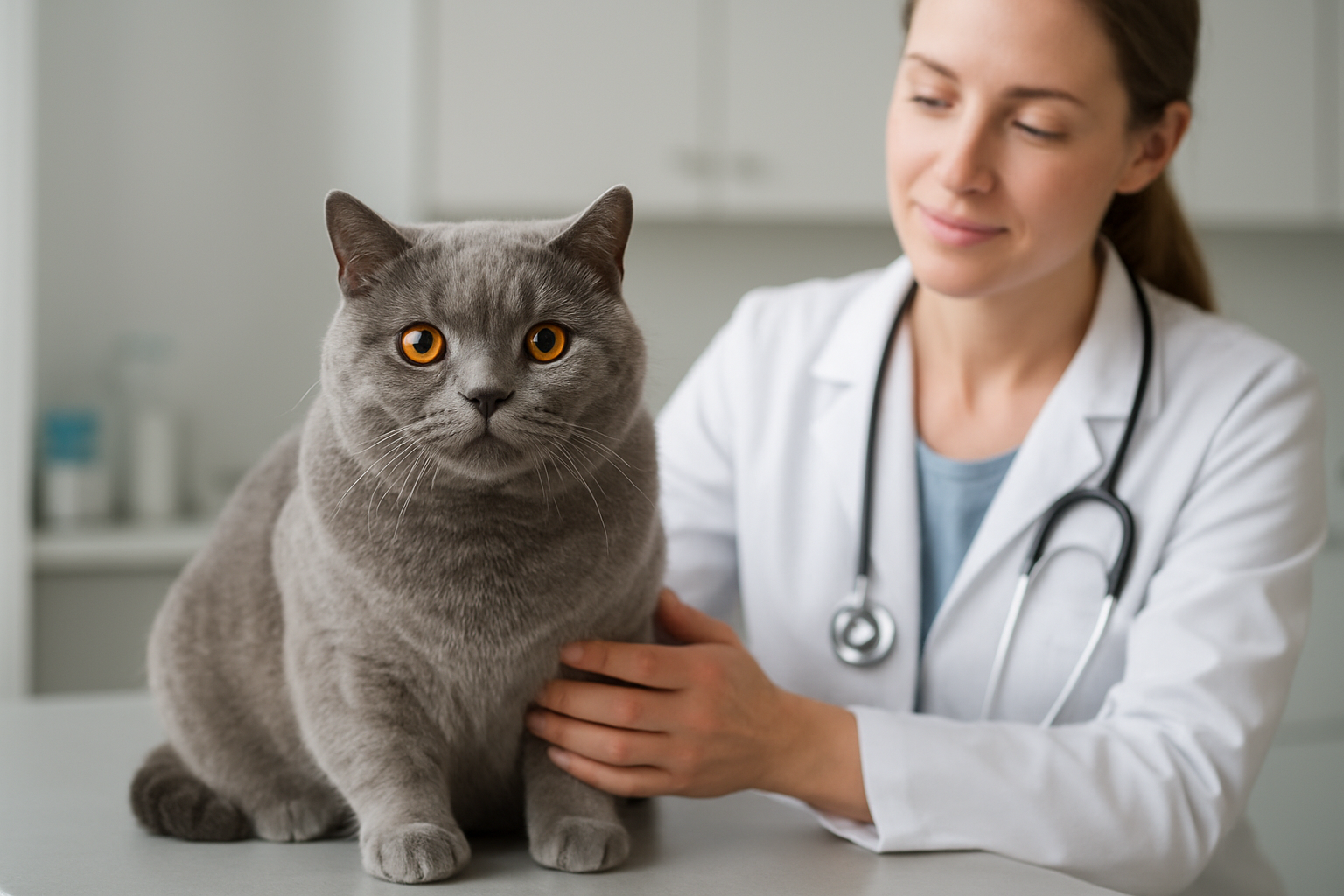
British Shorthairs possess distinctive physical characteristics that directly influence their health insurance considerations. These cats showcase a dense, plush coat paired with rounded features that give them their iconic teddy bear-like appearance. Their calm temperament makes them excellent companions, but their physical build requires careful attention from both owners and insurance providers.
The breed exhibits a notably sturdy build with significant size variations between genders. Female British Shorthairs typically weigh between 7-17 pounds, while males often exceed 18 pounds. This stocky frame, while contributing to their robust appearance, can place additional stress on their joints as they age, potentially leading to orthopedic issues that may require veterinary intervention.
One of the most significant health risks associated with British Shorthairs stems from their strong appetite combined with their sedentary nature. This combination significantly increases their risk of obesity, which can cascade into more serious health conditions including diabetes and heart disease. These weight-related health issues often require ongoing management and can substantially impact British Shorthair cat insurance premiums and coverage decisions.
Despite their grooming needs being minimal due to their self-maintaining coat, their adaptable personality often masks early signs of health issues, making regular veterinary checkups crucial for maintaining their well-being.
Hereditary Predispositions and Genetic Testing Benefits
British Shorthairs carry a genetic predisposition to hypertrophic cardiomyopathy (HCM), a serious cardiac condition that significantly impacts insurance considerations. This hereditary heart disease requires ongoing monitoring throughout the cat’s lifetime and often necessitates long-term medical care, making it a primary concern for insurance providers when assessing coverage options and premium rates.
Insurance companies frequently evaluate hereditary and chronic conditions when determining policy terms and pricing for British Shorthairs. The presence of HCM predisposition means that comprehensive insurance plans become particularly valuable for this breed, as they can help offset the substantial costs associated with cardiac screenings, specialized diagnostic procedures, and ongoing treatment protocols.
Beyond cardiac concerns, comprehensive insurance plans prove beneficial in covering the costs of weight management programs, which are often necessary given the breed’s tendency toward obesity. Additionally, orthopedic evaluations become increasingly important as these cats age and their stocky build begins to impact joint health. Insurance coverage for preventive genetic testing can also provide early detection benefits, potentially allowing for proactive management of hereditary conditions before they become more serious and costly to treat.
Lifespan Expectations and Age-Related Health Concerns
British Shorthairs demonstrate impressive longevity, typically living between 12 and 20 years. This extended lifespan, while beneficial for pet owners seeking a long-term companion, presents unique considerations for insurance planning and coverage strategies.
Insurance providers carefully evaluate breed-specific health risks when establishing premium rates for British Shorthairs. The breed’s predisposition to certain conditions, combined with their lengthy lifespan, influences how insurers assess long-term coverage risks and potential claim frequencies over the cat’s lifetime.
A critical factor in maximizing insurance value involves enrolling British Shorthairs at a young age. Early enrollment significantly reduces the likelihood of exclusions related to pre-existing conditions, which becomes increasingly important given the breed’s genetic predispositions. Young cats enrolled before developing age-related health issues typically receive more comprehensive coverage options and potentially lower premium rates.
As British Shorthairs age, their insurance needs evolve to address age-related health concerns that commonly affect the breed. Senior cats may require increased veterinary attention for managing chronic conditions, joint health maintenance, and cardiac monitoring, making comprehensive coverage increasingly valuable throughout their extended lifespan.
Common Health Conditions That Drive Insurance Costs
Hypertrophic Cardiomyopathy (HCM) Prevention and Treatment
Hypertrophic Cardiomyopathy represents one of the most significant health concerns affecting 10-15% of cats, making it a critical factor in British Shorthair cat insurance considerations. This cardiac condition develops when the heart muscle thickens abnormally, compromising the heart’s ability to pump blood effectively throughout the body.
Cat owners should remain vigilant for key symptoms including lethargy, rapid breathing patterns, or sudden collapse episodes. These warning signs often indicate advanced stages of the disease, emphasizing the importance of proactive screening measures for early detection.
Prevention strategies center around comprehensive genetic testing and regular cardiac monitoring through annual echocardiograms, typically costing between $300-$500 per examination. These diagnostic procedures enable veterinarians to identify structural heart changes before clinical symptoms manifest, allowing for earlier intervention and better long-term outcomes.
The financial impact of HCM management extends well beyond initial diagnosis, with lifetime care expenses frequently ranging from $1,000-$5,000 annually. These ongoing costs encompass specialized medications, regular monitoring appointments, emergency treatments during cardiac episodes, and potential hospitalization requirements.
Polycystic Kidney Disease (PKD) Management
British Shorthairs face moderate breed risk for Polycystic Kidney Disease, affecting approximately 30% of cats within this breed population. This hereditary condition involves the formation of fluid-filled cysts that progressively damage kidney function over time, leading to chronic kidney disease if left unmanaged.
Primary symptoms include increased thirst, frequent urination, and vomiting episodes that may initially appear intermittent but typically worsen as kidney function deteriorates. Early recognition of these signs proves crucial for implementing effective management strategies and slowing disease progression.
Prevention efforts focus heavily on responsible breeding practices, including comprehensive breeder screening programs that identify carriers before reproduction. Once diagnosed, supportive care becomes the cornerstone of treatment, with veterinary sessions typically costing $200-$500 per visit depending on the complexity of interventions required.
Obesity-Related Diabetes and Weight Control
The naturally relaxed temperament of British Shorthairs creates a high risk environment for obesity development, which commonly contributes to diabetes mellitus in this breed. Their sedentary lifestyle preferences and hearty appetites require careful monitoring to prevent excessive weight gain.
Warning symptoms include progressive weight gain despite normal feeding routines, excessive urination that may require frequent litter box changes, and increased water consumption. These indicators often signal the onset of insulin resistance and require immediate veterinary evaluation.
Prevention strategies emphasize strict diet control through portion management, scheduled feeding times, and appropriate food selection tailored to the breed’s metabolic needs. Treatment costs average $162 per month, encompassing insulin therapy, specialized diabetic diets, regular glucose monitoring, and frequent veterinary check-ups to adjust treatment protocols.
Dental Disease and Professional Cleaning Requirements
British Shorthairs demonstrate moderate risk for dental disease development, necessitating professional cleaning interventions throughout their lifetime. Poor dental hygiene can lead to periodontal disease, tooth loss, and secondary health complications affecting overall wellbeing.
Characteristic symptoms include persistent bad breath that worsens over time, excessive drooling, difficulty eating hard foods, and visible tartar accumulation along the gumline. These signs indicate advancing dental disease requiring professional intervention.
Prevention relies heavily on consistent home dental care, including regular tooth brushing with feline-appropriate toothpaste and dental treats designed to reduce plaque buildup. Professional cleaning procedures typically cost between $300-$800, depending on the extent of dental disease and whether extractions become necessary.
Feline Lower Urinary Tract Disease (FLUTD) Prevention
British Shorthairs experience low-moderate breed risk for Feline Lower Urinary Tract Disease, a complex condition encompassing various urinary system disorders that can cause significant discomfort and potential life-threatening complications.
Key symptoms include visible straining during urination attempts, blood presence in urine creating pink or red discoloration, frequent trips to the litter box with minimal output, and urination outside the litter box due to association with pain.
Prevention strategies emphasize maintaining proper hydration through wet food diets, fresh water availability, and stress reduction techniques. Treatment costs typically range from $500-$1,000, covering diagnostic testing, medications, dietary modifications, and potential emergency interventions for urinary blockages.
Real-World Veterinary Costs and Financial Impact
Emergency Treatment Scenarios and Actual Bills
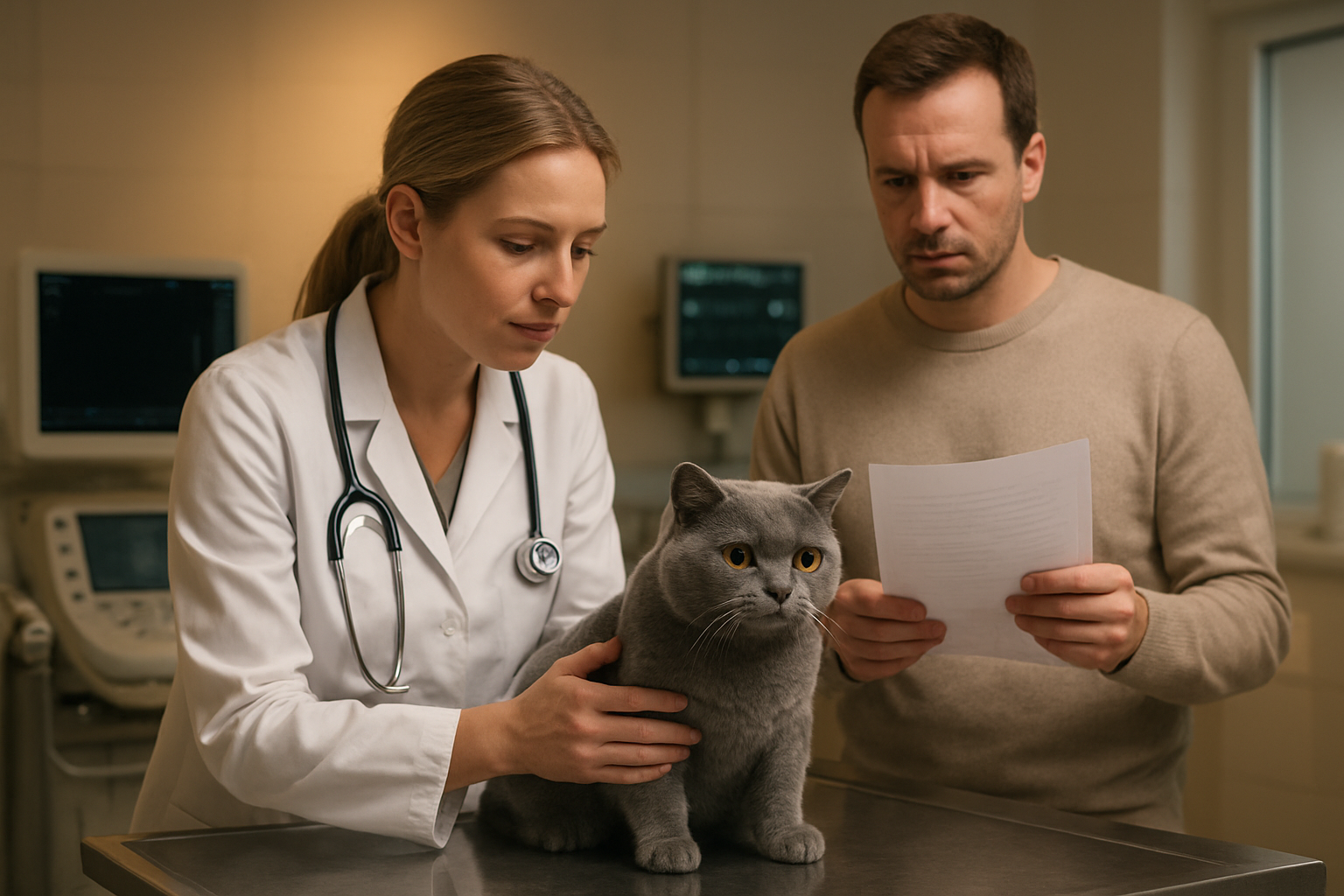
When your British Shorthair faces a medical emergency, the financial impact can be overwhelming. Emergency examinations alone for conditions like FLUTD (Feline Lower Urinary Tract Disease) urinary blockage typically range from $150 to $250. However, this initial cost represents just the beginning of potential expenses.
For severe cases requiring surgical intervention, British Shorthair owners can expect surgery costs between $1,000 and $2,000. When combining emergency exams, surgical procedures, hospitalization, and post-operative care, total emergency bills can escalate to $4,000 or more. These unexpected veterinary expenses leave many owners facing the difficult reality of $5,000+ bills without adequate financial preparation or British Shorthair Cat Insurance coverage.
Chronic Condition Management Expenses
Chronic health conditions in British Shorthairs create ongoing financial obligations that extend far beyond initial diagnosis costs. A Hypertrophic Cardiomyopathy (HCM) diagnosis typically totals around $900, breaking down into $100 for examinations, $500 for ultrasounds, and $300 for initial medications.
Polycystic Kidney Disease (PKD) emergency treatment presents another significant expense category. Emergency PKD episodes can reach $1,150, including $700 for hospitalization, $250 for fluid therapy, and $200 for diagnostic testing. These acute episodes often require immediate intervention, making financial preparedness crucial for British Shorthair owners.
Obesity-related diabetes represents one of the most costly chronic conditions. Initial equipment and insulin purchases total approximately $421, followed by ongoing monthly expenses of $162. Annual diabetes management expenses consistently exceed $2,000, creating substantial long-term financial commitments for pet owners.
Insurance Reimbursement Examples and Out-of-Pocket Costs
Understanding how British Shorthair Cat Insurance functions in real-world scenarios helps owners make informed decisions about coverage options. For a $900 HCM diagnosis bill with 90% reimbursement coverage and a $250 deductible, owners would pay $315 out of pocket after insurance processing.
Similarly, for PKD emergency treatment totaling $1,150, typical insurance coverage results in owners paying approximately $365 after reimbursement calculations. The insurance benefit becomes particularly evident in diabetes management, where coverage can save owners over $1,400 annually on obesity-related diabetes expenses.
Even routine procedures demonstrate insurance value. Professional dental cleaning with anesthesia averages $500, representing another significant expense that quality insurance coverage can help offset through reimbursement benefits.
Evaluating Pet Insurance Value for British Shorthairs
Return on Investment Analysis
Pet insurance demonstrates compelling value for British Shorthair owners due to the breed’s susceptibility to hereditary health risks. The return on investment becomes particularly evident when considering that most insurance plans reimburse between 70-90% of emergency veterinary bills, which frequently exceed $2,000 for this breed’s common conditions.
The financial mathematics strongly favor insurance coverage, with potential annual savings surpassing $5,000 in cases involving serious health issues. This substantial return becomes even more significant when factoring in the breed’s predisposition to costly conditions like hypertrophic cardiomyopathy and polycystic kidney disease.
Statistical data supports these financial projections, with approximately 80% of British Shorthair owners reporting positive returns on their insurance investments. This high satisfaction rate reflects the breed’s higher-than-average veterinary costs and the insurance industry’s comprehensive coverage of breed-specific conditions.
Coverage Benefits vs Premium Costs
British Shorthair cat insurance premiums typically range from $27-$40 per month, representing a manageable monthly expense for most pet owners. When evaluating this cost against potential benefits, the value proposition becomes clear, especially considering that insurance policies often cover hereditary conditions like HCM (hypertrophic cardiomyopathy) and PKD (polycystic kidney disease) without breed-specific exclusions.
The financial benefits extend beyond simple cost coverage. Insurance provides predictable monthly expenses, eliminating the uncertainty of sudden, substantial veterinary bills that could reach thousands of dollars. This financial predictability allows owners to budget effectively while ensuring their cats receive necessary medical care without delay.
The emotional benefits complement the financial advantages, as owners can make treatment decisions based on their cat’s needs rather than financial constraints. As veterinary prices continue their upward trajectory, the gap between premium costs and potential savings widens, making insurance increasingly valuable for British Shorthair owners.
Long-Term Financial Protection Assessment
Long-term financial protection requires careful consideration of evolving costs and coverage limitations. Insurance premiums typically increase approximately 4% annually, reflecting rising veterinary costs and inflation. Despite these increases, the long-term value proposition remains favorable for most British Shorthair owners.
A critical limitation to consider is the exclusion of pre-existing conditions, which makes early enrollment essential. Conditions that develop before coverage begins will not be covered throughout the policy’s lifetime, emphasizing the importance of securing insurance while cats are young and healthy.
Despite premium increases and pre-existing condition exclusions, statistical evidence shows that many owners recover their insurance costs over time, particularly when dealing with the chronic conditions common in British Shorthairs. This long-term financial protection becomes increasingly valuable as cats age and require more frequent veterinary care, providing owners with sustained peace of mind and financial security throughout their pet’s lifetime.
Insurance Coverage Types and Plan Options
Accident-Only vs Comprehensive Coverage
When selecting British Shorthair cat insurance, pet owners face a fundamental choice between accident-only and comprehensive coverage options. Accident-only plans represent the most basic level of protection, covering injuries such as fractures from falls or poisoning incidents. These plans typically cost between $10-$20 per month, making them an affordable entry point for budget-conscious pet owners seeking essential protection against unexpected accidents.
However, comprehensive accident-and-illness policies provide significantly broader coverage that proves particularly valuable for British Shorthair owners. These plans include protection against hereditary conditions commonly affecting the breed, such as hypertrophic cardiomyopathy (HCM) and polycystic kidney disease (PKD). With monthly premiums usually ranging from $28-$32, comprehensive coverage offers the most complete protection available for British Shorthairs, addressing both accidental injuries and breed-specific health concerns.
Wellness Add-Ons and Routine Care Benefits
Beyond basic coverage, many British Shorthair cat insurance policies offer wellness add-ons that help manage the costs of routine preventive care. These supplementary benefits can be added to existing plans for an additional $10-$20 per month, providing coverage for essential routine services including annual vaccinations, regular health checkups, and preventive treatments that keep British Shorthairs healthy throughout their lives.
Wellness coverage proves particularly valuable for British Shorthair owners who prioritize preventive care, as these add-ons help offset the accumulated costs of routine veterinary visits and maintenance treatments that support long-term feline health.
Lifetime Plans for Chronic Conditions
For British Shorthairs diagnosed with chronic health conditions, lifetime coverage plans provide essential ongoing protection. These specialized policies ensure continuous coverage for long-term medical needs, offering peace of mind for owners whose cats develop chronic conditions that require ongoing veterinary management and treatment throughout their lives.
Customizable Deductibles and Reimbursement Rates
Most British Shorthair cat insurance plans offer flexible customization options that allow owners to tailor coverage to their specific financial needs and preferences. Plans typically feature customizable reimbursement rates ranging from 70-90%, enabling owners to choose their preferred level of cost sharing with the insurance provider.
Additionally, deductible options usually range between $100 and $500, providing flexibility in balancing monthly premium costs with out-of-pocket expenses when filing claims. Higher deductibles generally result in lower monthly premiums, while lower deductibles increase monthly costs but reduce immediate expenses when veterinary care is needed.
Top Insurance Providers and Plan Comparisons
Leading Companies for British Shorthair Coverage
When evaluating insurance options specifically for your British Shorthair cat, certain providers stand out as industry leaders offering comprehensive coverage tailored to feline needs. ASPCA Pet Insurance emerges as a top contender, providing robust plans that address the unique health considerations of British Shorthairs. This established provider has built a reputation for delivering comprehensive coverage that encompasses both routine care and emergency situations.
Lemonade Pet Insurance represents another leading option for British Shorthair owners seeking reliable coverage. Known for their comprehensive plans, Lemonade has positioned itself as a forward-thinking provider that understands the evolving needs of pet owners. Both ASPCA Pet Insurance and Lemonade Pet Insurance have demonstrated their commitment to providing thorough coverage options that can accommodate the specific requirements of British Shorthair cats.
These leading providers recognize that British Shorthair cats may have distinct health profiles and coverage needs compared to other breeds. By offering comprehensive plans, both companies ensure that pet owners have access to extensive protection that can address various scenarios, from preventive care to unexpected health issues. The comprehensive nature of their plans makes them particularly suitable for British Shorthair owners who want thorough coverage for their feline companions.
Policy Features and Benefit Differences
Now that we have covered the leading providers, understanding the nuances between different policy features becomes crucial for making an informed decision. While comprehensive information about specific policy features and benefit differences was not available in the reference materials, it’s important to recognize that variations exist between providers and their plan offerings.
The landscape of British Shorthair cat insurance policies continues to evolve, with providers constantly updating their coverage options to meet changing customer needs. When evaluating policies, pet owners should carefully examine the specific features and benefits offered by each provider to ensure alignment with their cat’s potential health requirements.
Different insurance providers may structure their benefits in varying ways, potentially affecting coverage limits, deductible options, and reimbursement percentages. These structural differences can significantly impact the overall value proposition for British Shorthair owners, making thorough comparison essential before selecting a policy.
Customer Service and Claims Processing Quality
With this in mind, the quality of customer service and claims processing represents a critical factor that can significantly influence your overall insurance experience. While specific data regarding customer service quality and claims processing efficiency was not available in the reference materials, these elements remain fundamental considerations when selecting British Shorthair cat insurance.
The claims processing experience can vary considerably between providers, potentially affecting how quickly and efficiently you receive reimbursement for veterinary expenses. Efficient claims processing becomes particularly important when dealing with unexpected health issues that may arise with British Shorthairs, as prompt reimbursement can help alleviate financial stress during challenging times.
Customer service quality encompasses various aspects of the insurance experience, from initial policy inquiries to ongoing support throughout the coverage period. The responsiveness and helpfulness of customer service representatives can significantly impact your satisfaction with your chosen insurance provider, especially when navigating complex coverage questions or claims-related issues.
Regional Insurance Costs and Pricing Factors
US vs UK Premium Comparisons
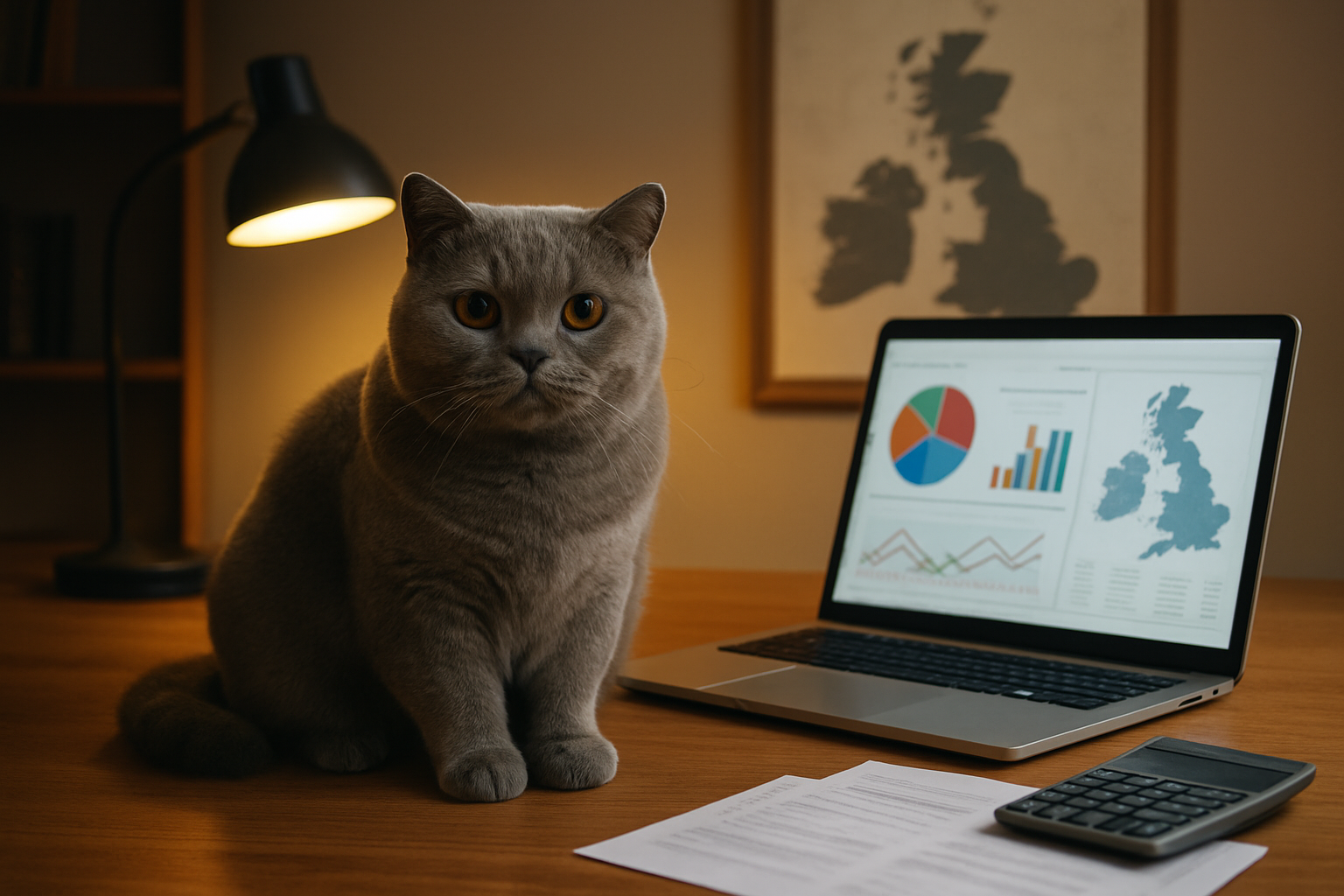
British Shorthair cat insurance premiums differ significantly between the US and UK markets, with these beloved felines often facing 10-20% higher premiums due to their genetic risk factors. In the United States, monthly costs typically range from $27-$40 for adult British Shorthairs, while kittens can be insured for approximately $20-$30 monthly. Senior cats, however, face substantially higher costs at $50 or more per month due to age-related health risks.
The UK market presents a different pricing structure, with monthly costs ranging from £5-£11 for basic coverage. For pedigree British Shorthairs, annual premiums typically fall between £180-£251, reflecting the breed’s specific health considerations. Lifetime cover options, which are particularly popular in the UK, start around £10 monthly for young cats, providing comprehensive protection throughout the cat’s entire lifespan.
| Region | Monthly Premium Range | Annual Cost | Special Considerations |
|---|---|---|---|
| US (Adult) | $27-$40 | $324-$480 | Higher premiums for genetic risks |
| US (Kitten) | $20-$30 | $240-$360 | Lower initial costs |
| US (Senior) | $50+ | $600+ | Significant age-related increases |
| UK (Basic) | £5-£11 | £60-£132 | Lower entry-level options |
| UK (Pedigree) | £15-£21 | £180-£251 | Breed-specific pricing |
State-by-State Cost Variations
Pet insurance costs for British Shorthair cat insurance vary dramatically across US states due to differences in veterinary fees, local market demand, and regional risk factors. Monthly premiums can range from under $20 in lower-cost states to over $60 in high-cost urban markets, creating significant variations for cat owners depending on their location.
Several states demonstrate these pricing disparities clearly:
-
Alaska: $30+ monthly, reflecting higher veterinary costs and limited provider networks
-
California: $23-$32 monthly, with variations between rural and metropolitan areas
-
New York: $24-$61 monthly, showing the widest range due to diverse urban and rural markets
-
Wyoming: $19.35 monthly, representing some of the lowest costs in the nation
-
Arkansas: $23 monthly, offering moderate pricing in the southern region
These costs are further adjusted based on several key factors including deductible amounts, reimbursement rates, annual coverage limits, and individual provider guidelines. Pet owners should carefully consider these variables when comparing policies across different states, as a lower premium in one state might come with higher deductibles or lower reimbursement rates.
Urban vs Rural Pricing Differences
Geographic location within a state also plays a crucial role in determining British Shorthair cat insurance premiums. Dense metropolitan areas can increase monthly rates by up to 20% compared to rural locations, primarily due to higher veterinary treatment prices and increased claim frequency in urban environments.
Urban areas typically experience:
-
Higher veterinary operational costs including rent, staff salaries, and equipment
-
Greater demand for specialized veterinary services
-
More frequent insurance claims due to higher pet density
-
Access to emergency and specialty care facilities that command premium prices
Rural areas, conversely, often benefit from lower overhead costs for veterinary practices, though they may have limited access to specialized care. This geographic pricing difference means that a British Shorthair owner in downtown Manhattan might pay significantly more for the same coverage level compared to someone in rural Montana, even when accounting for the same insurance provider and policy terms.
Key Factors That Determine Your Premium Rates
Age-Based Pricing Structure
Insurance premiums for British Shorthair cats follow a predictable age-based pricing model that reflects the increasing health risks as cats mature. Kittens typically enjoy the lowest premium rates due to their minimal immediate health risks and lower likelihood of requiring extensive veterinary care. However, as your British Shorthair ages, you can expect premium increases of approximately 4% per year, making early enrollment a financially strategic decision.
This consistent annual increase reflects the statistical reality that older cats require more frequent veterinary visits and are more susceptible to chronic conditions. For British Shorthair Cat Insurance specifically, this age-related pricing becomes particularly significant given the breed’s predisposition to certain health conditions that typically manifest in middle age.
Location and Regional Cost Impacts
Geographic location plays a substantial role in determining your British Shorthair’s insurance premiums, with urban areas presenting the most significant cost increases. Living in metropolitan regions can raise your premiums by up to 20% compared to rural areas, primarily due to higher veterinary service fees and increased demand for specialized care.
This regional variation stems from the basic economic principle that veterinary costs vary dramatically across different markets. Urban veterinary clinics face higher operational costs, including rent, staff salaries, and equipment expenses, which directly translate to higher service fees that insurance companies must account for in their pricing models.
Breed-Specific Risk Adjustments
British Shorthairs carry inherent genetic predispositions that directly impact insurance pricing. Most notably, this breed faces an elevated risk of developing hypertrophic cardiomyopathy (HCM) and other inherited conditions, leading insurance providers to implement a 10-25% premium increase to reflect this heightened risk profile.
This breed-specific adjustment acknowledges the statistical likelihood that British Shorthairs will require specialized cardiac care and monitoring throughout their lives. Insurance companies use actuarial data to determine these risk-based pricing adjustments, ensuring premium rates accurately reflect the expected claim costs for this particular breed.
Policy Configuration Effects on Pricing
Your policy’s specific configuration significantly influences your monthly premium costs through several key variables. Higher annual coverage limits, lower deductibles, and higher reimbursement percentages all result in increased monthly premiums, as they represent greater financial exposure for the insurance company.
Conversely, selecting higher deductibles can substantially reduce your upfront monthly costs, though this requires careful consideration of your financial capacity to handle larger out-of-pocket expenses during claim events. The relationship between these policy elements creates numerous pricing combinations that allow customization based on individual financial preferences.
Lifestyle and Indoor vs Outdoor Considerations
Your British Shorthair’s lifestyle directly impacts premium calculations, with indoor cats often qualifying for meaningful discounts due to their reduced exposure to injury risks. Indoor cats face fewer threats from traffic accidents, fights with other animals, and exposure to infectious diseases, making them statistically safer to insure.
However, certain lifestyle factors can increase premiums, particularly obesity or pre-existing conditions that may be more common in sedentary indoor cats. Insurance providers carefully evaluate these lifestyle considerations when determining final premium rates for your British Shorthair Cat Insurance policy.
Preventive Care Strategies to Reduce Insurance Costs
DNA Testing and Early Risk Detection
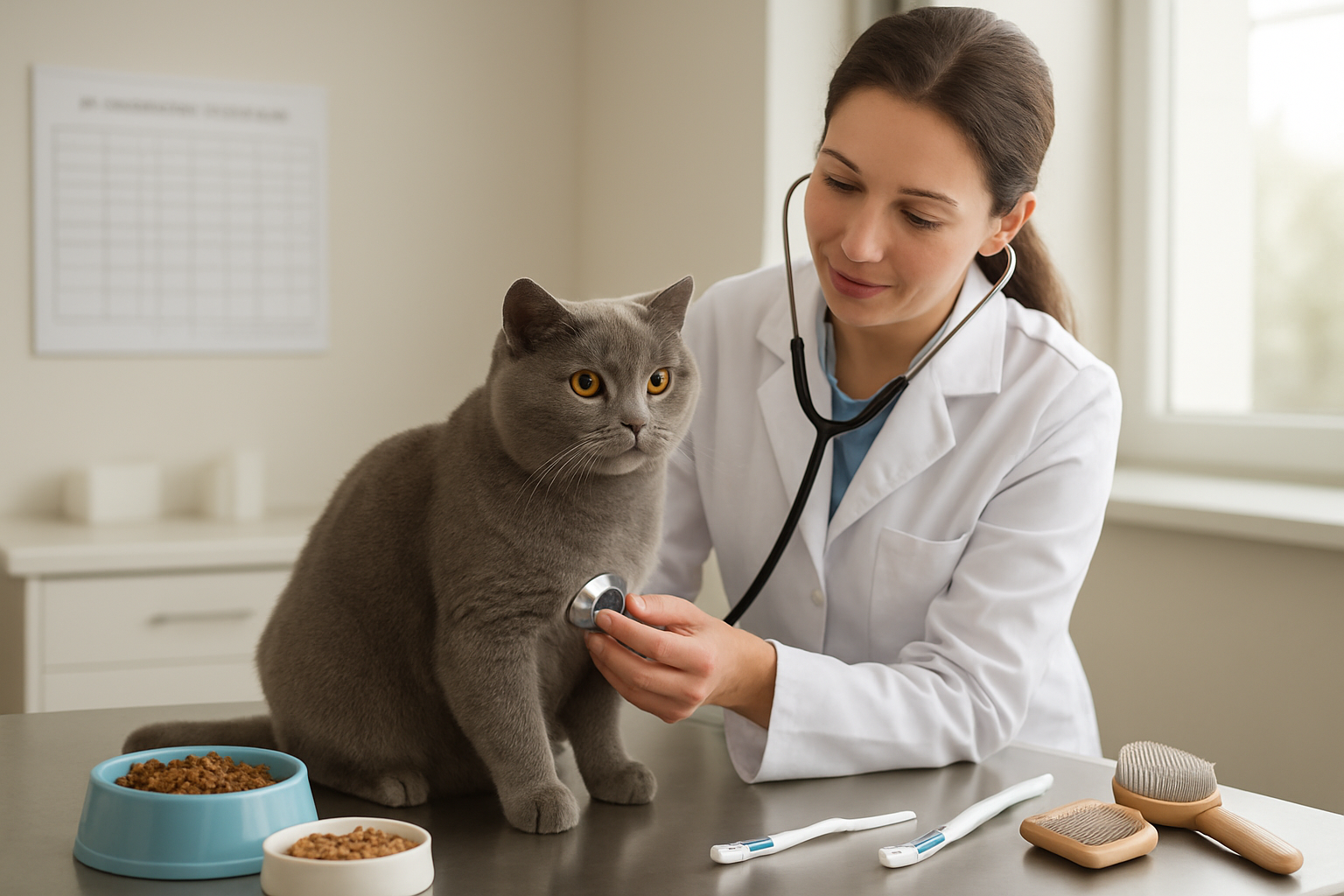
DNA testing represents a proactive approach to identifying inherited health risks in British Shorthairs, particularly for conditions like hypertrophic cardiomyopathy (HCM). This genetic screening allows cat owners to detect potential health issues before symptoms manifest, enabling early monitoring and intervention strategies. When insurance providers recognize these preventive measures, they often qualify policyholders for wellness discounts, as early detection significantly reduces the likelihood of costly emergency treatments and long-term claims. The investment in genetic testing can ultimately lead to substantial savings on British Shorthair Cat Insurance premiums while ensuring optimal health outcomes.
Weight Management and Nutritional Control
Maintaining proper weight through balanced nutrition and portion control serves as a cornerstone for preventing obesity and diabetes in British Shorthairs. Owners should prioritize high-protein diets specifically tailored to their cat’s nutritional needs while carefully measuring food portions to avoid overfeeding. Daily exercise through interactive toys plays a crucial role in maintaining healthy weight levels and reducing joint strain, which is particularly important for this stocky breed. These preventive measures directly impact insurance costs by minimizing the risk of obesity-related health complications that often require expensive veterinary interventions.
Regular Veterinary Care Benefits
Annual veterinary check-ups, typically costing between $53-$124, provide exceptional value by enabling early diagnosis and prevention of more costly emergency procedures. These routine examinations allow veterinarians to identify potential health issues before they develop into serious conditions requiring extensive treatment. The relatively modest investment in preventive care significantly outweighs the potential costs of emergency interventions, making regular veterinary visits a smart financial strategy for British Shorthair Cat Insurance policyholders.
Grooming and Hygiene Maintenance
Weekly grooming sessions help minimize matting and prevent skin infections in British Shorthairs, whose dense coats require consistent maintenance. Regular brushing removes loose fur, distributes natural oils, and allows owners to identify potential skin issues early. This preventive care approach reduces the likelihood of developing costly dermatological conditions that could result in expensive veterinary treatments and insurance claims.
Indoor Lifestyle Advantages
Maintaining an indoor lifestyle significantly lowers injury risk and reduces exposure to infectious diseases for British Shorthairs. Insurance providers often view indoor cats as lower-risk policyholders due to their reduced exposure to accidents, fights with other animals, and contagious diseases. This lifestyle choice can help stabilize insurance premiums and may qualify owners for reduced rates, making it both a health-conscious and financially beneficial decision for British Shorthair Cat Insurance coverage.
Choosing the Right Insurance Policy for Your Cat
Coverage Needs Assessment
When selecting British Shorthair Cat Insurance, conducting a thorough coverage needs assessment is essential to ensure comprehensive protection for your feline companion. Owners should prioritize comparing policies that specifically cover diagnostics, genetic disorders, long-term medication, and specialist consultations – all critical components for this breed’s healthcare requirements.
Comprehensive insurance plans typically provide significant value by helping offset costs for cardiac screenings, which are particularly important for British Shorthairs given their predisposition to heart conditions. Additionally, these plans should include coverage for weight management programs, as this breed tends toward obesity, and orthopedic evaluations to monitor joint health as they age.
The assessment process should focus on identifying policies that address both routine and specialized care needs. Look for plans that cover advanced diagnostic procedures, ongoing treatment protocols for chronic conditions, and access to veterinary specialists when needed. This comprehensive approach ensures your British Shorthair receives optimal care throughout their lifetime while protecting you from unexpected veterinary expenses.
Policy Comparison Criteria
Now that we have covered the importance of assessing coverage needs, the next step involves establishing clear criteria for comparing different insurance options. The most effective approach begins with requesting British Shorthair pet insurance quotes online by entering your cat’s age, breed, and ZIP code. This targeted approach ensures you receive accurate pricing specific to your location and cat’s profile.
When evaluating quotes, focus on three critical financial components: deductibles, reimbursement percentages, and annual coverage limits. These factors directly impact both your monthly premiums and out-of-pocket expenses during claims. Compare how different insurers structure these elements, as variations can significantly affect the total cost of coverage over time.
Create a systematic comparison by examining each policy’s specific terms and conditions. Pay particular attention to waiting periods, exclusions, and coverage restrictions that may apply to British Shorthairs. This methodical evaluation process ensures you select a policy that provides the best combination of comprehensive coverage and financial value for your specific situation.
Pre-Existing Condition Considerations
With policy comparison criteria established, understanding pre-existing condition policies becomes crucial for making an informed insurance decision. All pet insurers exclude pre-existing conditions from coverage, making this a non-negotiable aspect of any policy you consider.
The most effective strategy for avoiding pre-existing condition exclusions involves early enrollment, specifically as early as eight weeks old. This timing minimizes the risk of developing conditions before coverage begins, ensuring maximum protection throughout your cat’s life. Early enrollment provides peace of mind knowing that future health issues will be covered rather than classified as pre-existing conditions.
Understanding this exclusion policy emphasizes the importance of acting quickly when considering insurance for your British Shorthair. Delaying enrollment increases the likelihood that routine veterinary examinations might reveal conditions that would then be permanently excluded from coverage.
Enrollment Timing for Maximum Benefits
Previously, we’ve established how pre-existing conditions affect coverage, which directly connects to the critical importance of enrollment timing. Enrolling your British Shorthair when it is young, as early as eight weeks old, provides dual benefits that maximize your insurance investment.
First, early enrollment avoids pre-existing condition exclusions, ensuring comprehensive coverage for any health issues that may develop throughout your cat’s lifetime. Second, young cats qualify for lower base rates, providing significant long-term savings on premium costs over the duration of coverage.
This strategic timing approach creates a foundation for cost-effective, comprehensive protection that grows with your cat. The combination of avoiding exclusions and securing lower rates makes early enrollment one of the most valuable decisions you can make regarding British Shorthair Cat Insurance. The financial benefits compound over time, making this timing consideration essential for maximizing both coverage quality and cost efficiency.
Enrollment Process and Claims Management
Application Steps and Documentation Requirements
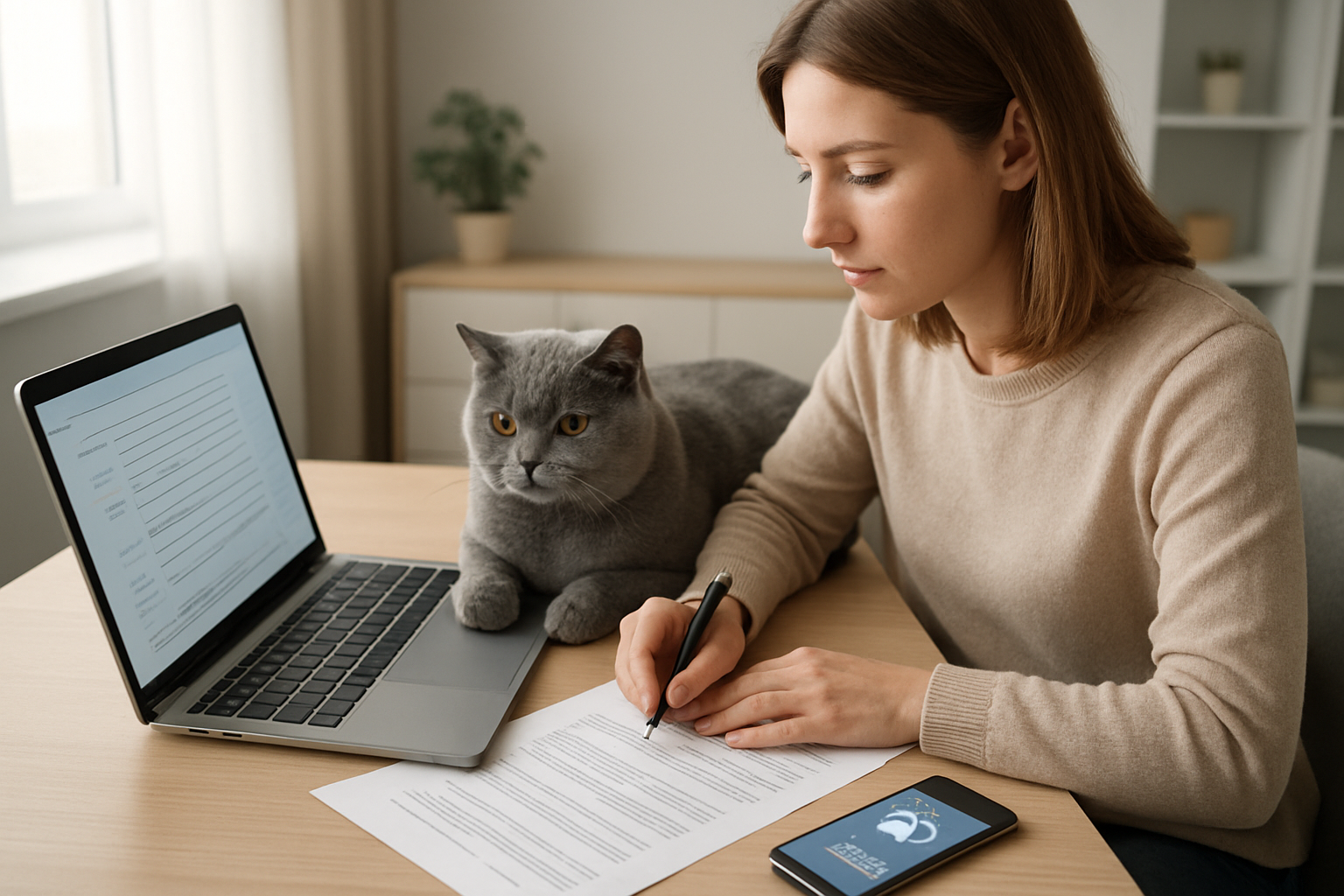
The enrollment process for British Shorthair Cat Insurance begins with requesting quotes online through insurance providers’ websites. You’ll need to provide essential information including your cat’s age, breed (British Shorthair), and your ZIP code to receive accurate premium estimates. This initial step allows insurers to assess risk factors specific to British Shorthairs and your geographic location.
Once you’ve selected a policy, the documentation requirements become critical for seamless coverage activation. The most crucial step involves submitting complete veterinary records immediately after enrollment. These comprehensive medical records enable insurers to establish your cat’s baseline health status and identify any pre-existing conditions that may affect coverage eligibility.
An important consideration during this phase is understanding the pet insurance waiting period, which typically ranges from 14 to 30 days. During this waiting period, coverage remains inactive, meaning any veterinary treatments or emergencies won’t be eligible for reimbursement. Planning ahead and enrolling before health issues arise ensures you won’t face gaps in coverage when you need it most.
Claims Filing and Reimbursement Process
Modern insurance providers have streamlined the claims process through digital platforms, making it convenient for British Shorthair owners to submit reimbursement requests. Most insurers offer mobile apps or online portals specifically designed for filing pet insurance claims efficiently. These digital tools allow you to submit claims anywhere, anytime, eliminating the need for paper forms and mail-in processes.
The key to successful claims processing lies in proper documentation submission. You’ll need to upload an itemized veterinary invoice that clearly details all services provided, treatments administered, and associated costs. Additionally, required medical documentation such as examination notes, diagnostic test results, and treatment plans must accompany your claim to prevent processing delays.
Reimbursement timelines are generally predictable, with most insurers processing approved claims within 7 to 10 business days. However, incomplete documentation or missing information can significantly extend processing times, potentially delaying your reimbursement by weeks.
Record Keeping for Efficient Claims Processing
Maintaining organized health records serves as the foundation for streamlined British Shorthair insurance claims throughout your pet’s lifetime. Developing a systematic approach to record keeping from the beginning of your coverage ensures you’ll have immediate access to necessary documentation when filing claims.
Consider creating both digital and physical filing systems that include vaccination records, annual examination reports, diagnostic test results, treatment histories, and all veterinary invoices. Organizing these documents chronologically and by treatment type allows for quick retrieval when submitting claims. Additionally, keeping backup copies of critical documents protects against loss and ensures continuity in your claims filing process.
Alternatives to Traditional Pet Insurance
Self-Insurance Through Savings Accounts
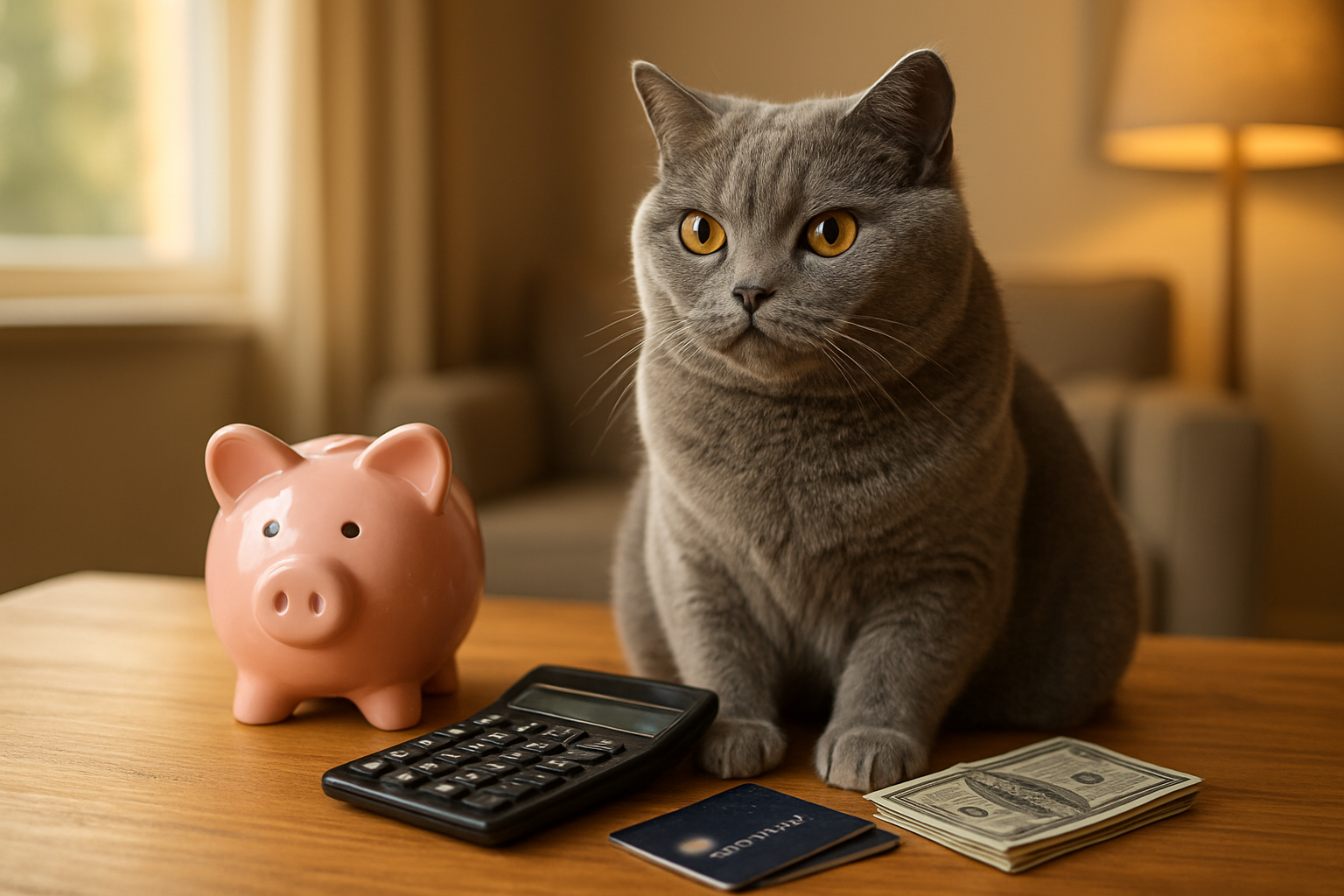
Self-insurance represents a straightforward approach where British Shorthair owners set aside a fixed monthly amount into a dedicated veterinary emergency fund. This strategy provides complete control over your funds, allowing you to decide how much to save and when to use the money for your cat’s healthcare needs. The primary advantage lies in avoiding monthly insurance premiums while building a financial safety net specifically for veterinary expenses.
However, this approach carries significant risks, particularly for British Shorthair Cat Insurance alternatives. If your feline develops a chronic illness or requires emergency surgery early in the savings period, you may face insufficient funds to cover substantial veterinary bills. The unpredictable nature of pet healthcare costs makes it challenging to determine the appropriate monthly savings amount.
Veterinary Financing Options
Veterinary financing programs, such as CareCredit, offer immediate coverage for large veterinary bills when your British Shorthair requires urgent medical attention. These programs function by providing upfront payment to veterinary clinics, allowing you to address your cat’s healthcare needs without delay.
Many financing options include short-term promotional periods with favorable terms. However, pet owners must understand that interest charges apply if payment deadlines are missed. This alternative works best for those who can manage structured payment plans and meet specific deadlines to avoid accumulating interest on veterinary expenses.
Discount Plans and Membership Programs
Discount plans like Pet Assure provide an alternative approach to traditional British Shorthair Cat Insurance by offering percentage-based savings on veterinary services. These programs typically provide up to 25% savings on participating veterinary services and maintain more flexible acceptance criteria, including cats with pre-existing conditions.
Unlike traditional insurance, these plans do not operate on a reimbursement model. Instead, they provide immediate discounts at the point of service within their network of participating veterinarians. The limitation lies in their restriction to network providers and lack of coverage for specialist referrals outside their established network.
Crowdfunding and Charitable Assistance
Crowdfunding platforms such as GoFundMe and charitable organizations like RedRover offer potential financial assistance for emergency veterinary costs. These options can help British Shorthair owners facing unexpected, high-cost medical situations when other financial resources are insufficient.
The effectiveness of crowdfunding depends heavily on donor generosity and the approval processes of charitable organizations. This approach provides no guaranteed financial protection, making it unsuitable as a primary strategy for managing veterinary expenses. Success varies significantly based on individual circumstances and the ability to effectively communicate your cat’s needs to potential donors.
Cost-Benefit Analysis of Alternatives
When evaluating alternatives to traditional British Shorthair Cat Insurance, pet owners eliminate monthly premium payments but assume greater personal financial responsibility during medical emergencies. These alternatives lack the structured reimbursement coverage that traditional insurance provides for major medical events.
While savings accounts offer complete fund control and discount plans provide immediate cost reductions, neither guarantees sufficient coverage for significant veterinary expenses. Financing options provide immediate access to funds but create debt obligations. The absence of structured coverage increases financial uncertainty during critical healthcare situations, requiring careful consideration of your financial capacity to handle unexpected veterinary costs independently.
Money-Saving Strategies for Insurance Premiums
Multi-Pet and Bundle Discounts
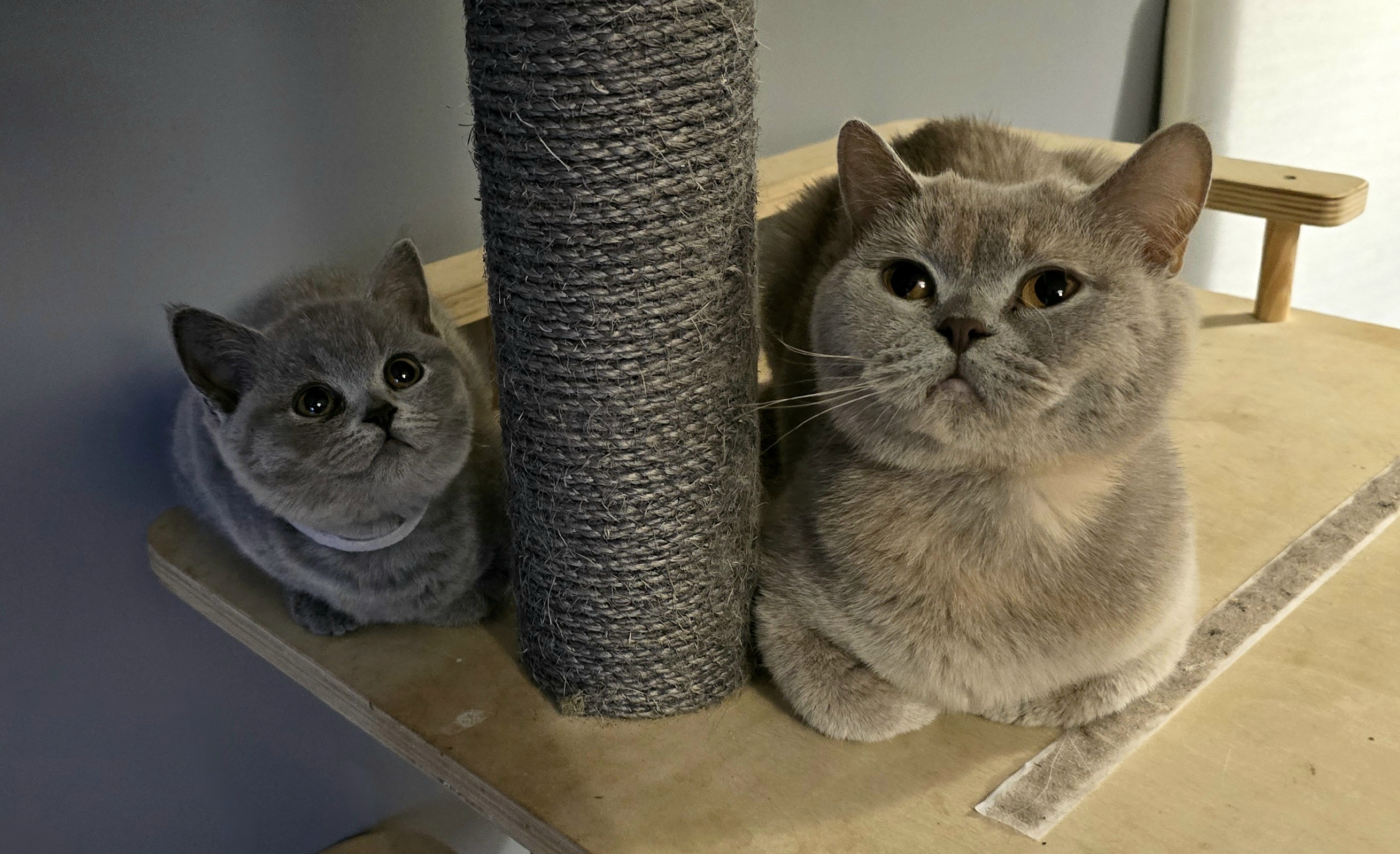
Maximizing savings on British Shorthair cat insurance becomes significantly easier when you bundle multiple policies with the same insurer. Most providers offer substantial multi-pet discounts ranging from 5-10% when you insure multiple pets under their coverage umbrella. This approach proves particularly beneficial for households with multiple British Shorthairs or mixed pet families, as the cumulative savings compound over time.
Beyond multi-pet discounts, many insurers extend bundle opportunities by combining pet coverage with home insurance policies. This comprehensive bundling strategy can unlock additional percentage reductions while simplifying your insurance management through consolidated billing and unified customer service interactions.
Deductible Selection for Lower Premiums
Strategic deductible selection represents one of the most effective methods for reducing monthly premium costs on your British Shorthair cat insurance. Selecting a higher deductible creates an immediate impact by lowering your recurring monthly payments, though this decision requires careful consideration of your financial capacity to handle upfront costs during claims.
The trade-off proves mathematically favorable for many pet owners, as significantly lower recurring costs often outweigh the potential for higher initial claim expenses. This strategy works particularly well for British Shorthair owners who maintain emergency veterinary funds and prefer predictable monthly budgeting.
Annual Quote Comparisons and Provider Switching
The competitive pet insurance marketplace creates opportunities for substantial savings through annual quote comparisons. Market competition drives rate adjustments year to year, making previously expensive providers potentially more competitive while established relationships may no longer offer optimal pricing.
Conducting thorough annual reviews allows British Shorthair owners to identify better pricing structures or promotional offers that weren’t available during initial enrollment. Provider switching, when executed strategically, can result in considerable long-term savings without sacrificing coverage quality.
Early Enrollment Benefits
Enrolling your British Shorthair early in life, ideally as early as eight weeks old, provides multiple financial advantages that compound throughout your pet’s lifetime. Early enrollment helps avoid pre-existing condition exclusions that could permanently impact coverage eligibility for breed-specific health concerns.
Young, healthy British Shorthairs qualify for lower base rates that remain locked in throughout policy duration, creating substantial lifetime savings compared to delayed enrollment. This proactive approach ensures maximum coverage availability while securing the most favorable premium structures.
Health Management Premium Reductions
Maintaining optimal health through portion-controlled diets and regular exercise directly influences your British Shorthair cat insurance costs by reducing claim frequency. Healthy British Shorthairs generate fewer veterinary claims, which helps stabilize long-term premiums and may qualify for good health discounts from certain providers.
Proactive health management extends beyond basic care to include advanced screening options. Pursuing DNA testing discounts may provide additional premium reductions if insurers offer reduced rates for proactive breed-risk screening, allowing you to demonstrate commitment to preventive healthcare while securing lower insurance costs.
7 FAQ

Is pet insurance worth it for British Shorthair cats?
Absolutely. British Shorthairs are prone to several expensive health conditions that can cost thousands of dollars to treat. Hypertrophic cardiomyopathy, polycystic kidney disease, and hip dysplasia are common in this breed, with treatment costs ranging from $2,000 to $8,000 per condition. Quality British Shorthair Cat Insurance typically pays for 70-90% of these expenses, making the monthly premium a smart investment compared to paying full veterinary bills out of pocket.
What’s the average cost of pet insurance for British Shorthairs?
Monthly premiums for British Shorthair Cat Insurance typically range from $25 to $65, depending on your cat’s age, location, and coverage level. Basic accident-only plans start around $15-20 monthly, while comprehensive coverage including hereditary conditions costs $40-65. Factors like your zip code, chosen deductible, and reimbursement percentage significantly impact pricing. Cats under two years old qualify for the lowest rates, while senior cats over seven years face premium increases of 20-40%.
When should I buy insurance for my British Shorthair?
Purchase insurance as early as possible, ideally within the first few weeks of bringing your kitten home. Most insurers offer the best rates for cats under six months old, and early enrollment means hereditary conditions won’t be excluded as pre-existing. Waiting until health issues appear makes those conditions ineligible for coverage. Even healthy adult cats benefit from insurance, but expect higher premiums and longer waiting periods.
What health conditions are typically covered?
Most comprehensive plans cover common British Shorthair health issues including hypertrophic cardiomyopathy, polycystic kidney disease, hip dysplasia, obesity-related conditions, and respiratory problems. However, coverage varies significantly between providers. Always verify that breed-specific conditions are included before enrolling. Some insurers exclude certain hereditary conditions or require additional genetic testing for coverage approval.
How do waiting periods work?
Standard waiting periods include 14 days for illnesses, 2-5 days for accidents, and 6-12 months for orthopedic conditions like hip dysplasia. Any health issues diagnosed during waiting periods are considered pre-existing and won’t be covered. Emergency situations arising after the accident waiting period ends receive immediate coverage, but routine illnesses must wait the full period.
Can I use any veterinarian with pet insurance?
Most pet insurance companies allow you to visit any licensed veterinarian, specialist, or emergency hospital. You typically pay the full bill upfront, then submit receipts for reimbursement. Some newer companies offer direct billing to select veterinary clinics, eliminating upfront costs. Always confirm your preferred veterinarian accepts your chosen insurance provider’s claim process.
What’s not covered by typical pet insurance policies?
Pre-existing conditions, routine wellness care (unless you add a wellness rider), cosmetic procedures, breeding costs, and behavioral training are typically excluded. Some policies also exclude certain hereditary conditions, dental issues, or age-related problems. Experimental treatments, alternative therapies, and prescription diets often aren’t covered. Review policy exclusions carefully before purchasing British Shorthair Cat Insurance to avoid surprises during claims.
Protecting your British Shorthair with dedicated pet insurance provides essential financial security against breed-specific health risks like hypertrophic cardiomyopathy (HCM), polycystic kidney disease (PKD), and obesity-related conditions. With veterinary costs continuing to rise in 2026 and beyond, comprehensive coverage that reimburses 70-90% of emergency bills can save owners thousands of dollars annually. Monthly premiums typically range from $27-$40 in the US and £5-£11 in the UK, making insurance a cost-effective investment compared to potential emergency expenses that can exceed $5,000.
Early enrollment is crucial for securing the best coverage and avoiding pre-existing condition exclusions. By combining strategic policy selection with preventive care practices like proper nutrition, regular exercise, and routine veterinary checkups, you can optimize both your cat’s health and insurance costs. Compare quotes from leading providers, consider your specific regional pricing factors, and choose a plan that matches your British Shorthair’s needs and your budget. Start protecting your feline companion today to ensure worry-free, lifelong companionship with complete peace of mind.
British Shorthair Cat Insurance | British Shorthair Cat Insurance | British Shorthair Cat Insurance | British Shorthair Cat Insurance | British Shorthair Cat Insurance | British Shorthair Cat Insurance | British Shorthair Cat Insurance | British Shorthair Cat Insurance | British Shorthair Cat Insurance | British Shorthair Cat Insurance | British Shorthair Cat Insurance | British Shorthair Cat Insurance