

Blog
Adopting a Bengal Cat in Spain

Adopting a Bengal Cat in Spain: Your Essential Buyer’s Manual
Locating the ideal Bengal cat in Spain can seem daunting, particularly when managing various regulations, breeders, and the distinctive requirements of this energetic breed. After dedicating months to researching breeders and understanding Spanish pet ownership rules personally, I’ve discovered that achievement relies on thorough preparation and understanding precisely what to seek.
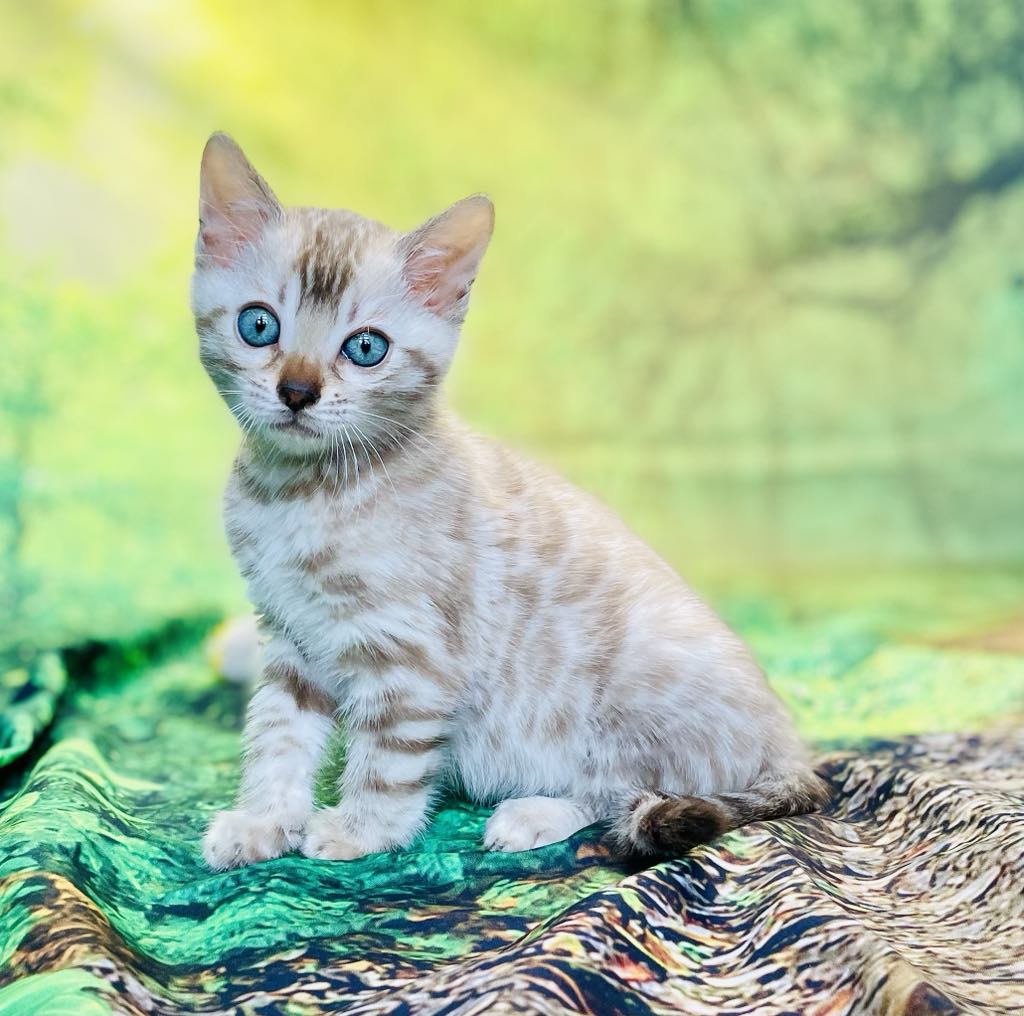
The positive aspect is that Spain hosts an expanding network of committed Bengal breeders, and the legal structure makes ownership simple once you grasp the fundamentals. Whether you’re located in Madrid, Barcelona, or elsewhere throughout Spain, this manual will guide you through everything necessary to welcome your ideal Bengal friend home.
Learning About Bengal Cats Prior to Your Purchase
Physical Traits and Breed Standards
Bengal cats are truly magnificent creatures, and recognizing their physical features helps you spot quality breeding and establish realistic expectations. Their most remarkable characteristic is certainly their fur, which appears in two primary pattern styles: spotted and marbled. The spotted type mirrors a wild leopard with clear, sharply defined spots, while marbled Bengals showcase flowing designs that resemble silk ribbons flowing across their frames.
Regarding dimensions, male Bengals usually weigh between 4.5 to 7 kilograms, while females are typically smaller at 3.5 to 5.5 kilograms. I’ve observed that many new Bengal owners are amazed by how solid these cats feel – they’re athletic and sturdy, not fragile like certain other breeds.
Color options introduce another dimension of complexity to Bengal choosing. The traditional brown Bengal spans from golden to rich mahogany, but you’ll also discover silver Bengals with their impressive contrast, snow Bengals in cream and white shades, and the striking charcoal type with dark foundations. Each color possesses its own charm, though brown stays the most prevalent and usually the most budget-friendly choice in Spain.
Personality and Behavioral Characteristics
Bengal cats are not typical cuddle cats, and this is essential to grasp before buying. Their activity levels remain constantly elevated during the day, with most Bengals needing 2-3 focused play periods daily. I frequently advise potential owners to picture living with a youngster who can scale walls – that’s the energy level we’re discussing.
Socially, Bengals often form strong connections with their families but can be choosy about newcomers. They’re usually wonderful with children who honor their limits and can live harmoniously with other pets when correctly introduced. Nevertheless, their spirited nature sometimes overwhelms smaller, elderly, or less energetic pets.
The intelligence aspect cannot be emphasized enough. Bengals tackle problems, unlock cabinets, activate faucets, and appear to comprehend household schedules better than many other breeds. This intelligence serves as both an advantage and a challenge – they require mental engagement to avoid destructive habits, but they also become remarkably captivating companions.
Health Factors and Genetic Elements
Bengal cats are typically robust, but like all breeds, they have particular health issues to watch. Hypertrophic cardiomyopathy impacts some bloodlines, causing heart muscle thickening that can result in severe complications. Progressive retinal atrophy may cause vision difficulties, while pyruvate kinase deficiency influences red blood cell operation.

Conscientious breeders examine breeding cats for these conditions and supply documentation. The testing isn’t inexpensive, which partially explains why quality Bengals cost more than mixed breeds, but it’s vital for long-term wellness.
Most Bengals live 12-16 years with appropriate care, though I’ve known several who reached 18-19 years. Their aging process tends to be slow, with many keeping their playful character well into their golden years, though they may decelerate around age 10-12.
Legal Obligations and Rules in Spain
Registration and Documentation Needs
Every cat in Spain must receive microchipping by law, and this includes Bengals. The microchip installation usually costs €25-40 and must be performed by a licensed veterinarian. The chip details get recorded in the national database, connecting the cat to your contact information permanently.
Vaccination obligations are simple but crucial. Your Bengal needs the standard feline immunizations: feline panleukopenia, rhinotracheitis, and calicivirus (FVRCP), plus rabies vaccination. Most veterinarians recommend yearly boosters, though some newer approaches suggest every three years for certain vaccines.
If you desire official breed recognition, registration with organizations like the Asociación Felina Española or international bodies like TICA or FIFe provides pedigree documentation. This isn’t legally mandatory for pet ownership but becomes necessary if you ever want to exhibit your cat or join breeding programs.
Import Rules for International Purchases
Bringing a Bengal from another EU country needs a European pet passport, which includes vaccination records, health certificates, and microchip documentation. The procedure is relatively simple within the EU, typically requiring 2-4 weeks to fulfill all requirements.

Non-EU imports are considerably more complicated. Cats from countries like the United States or Russia face quarantine periods, extra health testing, and extensive paperwork. The procedure can take 4-6 months and cost €1,000-2,000 in fees and testing, making local Spanish breeders much more practical for most buyers.
Health testing schedules demand careful planning. Most tests must be finished within specific windows before travel, and some need waiting periods between testing and travel. Collaborating with experienced breeders who manage international shipping regularly makes this procedure much easier.
Regional Differences Across Spanish Communities
Different Spanish regions have additional requirements beyond national laws. Catalonia demands registration with municipal authorities within 30 days of acquiring a pet, along with yearly license renewals that cost €15-30 depending on the municipality.
Madrid’s regulations emphasize identification and vaccination compliance, with random inspections in parks and public areas. They’ve streamlined their registration process through online portals, making compliance easier for residents.
Andalusia has specific housing regulations affecting pet ownership in rental properties. While these don’t target Bengals specifically, some municipalities require landlord consent documentation for pet registration, which can complicate apartment living arrangements.
Locating Trustworthy Bengal Cat Breeders

Recognizing Professional Breeding Operations
Quality Bengal breeders typically maintain memberships in recognized associations like TICA (The International Cat Association), CFA (Cat Fanciers’ Association), or Spanish organizations. These memberships show dedication to breeding standards and ethical practices, though membership alone doesn’t ensure quality.
When visiting breeding facilities, seek clean, spacious environments where cats have room to exercise and socialize. Professional breeders welcome visits and encourage meeting the parent cats. Their facilities should smell clean, with cats appearing healthy, social, and well-cared-for.
Experience matters greatly in Bengal breeding. Seek breeders with at least 5-7 years of experience and multiple generations of cats. Newer breeders aren’t automatically problematic, but experienced breeders better understand genetic lines, health issues, and proper socialization techniques.
Warning Signs and Red Flags to Avoid
Be extremely careful of breeders who constantly have kittens available or maintain large numbers of breeding cats relative to their facility size. Quality Bengal breeding demands careful timing and planning – reputable breeders typically have waiting lists rather than immediate availability.
Pricing can reveal problems. Bengals priced significantly below market rates (under €600 in Spain) often come from situations with inadequate health testing, poor socialization, or questionable breeding practices. Conversely, extremely high prices don’t automatically indicate quality.
Avoid breeders who won’t supply health testing documentation, refuse facility visits, or cannot provide references from previous buyers. Any breeder operating primarily through social media without proper contact information should raise immediate concerns.
Questions to Ask Potential Breeders
Always inquire about health testing protocols for parent cats. Responsible breeders readily provide test results for hypertrophic cardiomyopathy, progressive retinal atrophy, and pyruvate kinase deficiency. They should also discuss any other health issues present in their lines.
Ask about socialization practices. Quality breeders handle kittens daily from birth, expose them to household sounds and experiences, and begin basic training. Kittens should be comfortable with handling and show appropriate social responses to humans.
Discuss after-purchase support policies. Good breeders offer guidance for the transition period, provide feeding recommendations, and often include health guarantees. Some offer to take cats back if circumstances change, which indicates genuine concern for their cats’ welfare.
Expenses and Financial Planning
Initial Purchase Prices Throughout Spain

Pet-quality Bengal cats in Spain typically range from €800-1,500, depending on color, pattern quality, and breeder reputation. Show-quality cats start around €1,500 and can exceed €3,000 for exceptional examples with rare colors or outstanding pedigrees.
Regional price differences exist, with Madrid and Barcelona generally commanding higher prices due to increased demand and higher living costs. Smaller cities like Valencia, Seville, or Bilbao often offer competitive pricing, though breeder selection may be more limited.
Individual cat pricing depends on several factors: generation from wild ancestry (F4, F5, etc.), coat pattern clarity, color rarity, and gender. Males typically cost slightly more due to their larger size, though this isn’t universal across all breeders.
Continuing Monthly and Annual Expenses
High-quality food represents the largest ongoing expense, typically costing €40-60 monthly for premium brands suited to Bengal energy levels. These cats benefit from protein-rich diets, and inexpensive foods often lead to health problems that cost more than the savings.
Veterinary care averages €200-400 annually for routine checkups, vaccinations, and preventive care. Emergency veterinary costs can add significantly to this figure, making pet insurance worth considering for many owners.
Pet insurance for Bengals costs €15-35 monthly, depending on coverage levels and the cat’s age. While optional, insurance can provide peace of mind given potential breed-specific health issues and these cats’ active lifestyles that might lead to accidents.
One-Time Setup and Equipment Expenses
Essential supplies include high-quality litter boxes (€30-50 each – many Bengal owners prefer larger boxes), scratching posts rated for larger cats (€50-100), and sturdy cat trees for climbing (€100-200). Investing in quality equipment upfront saves money long-term.
Interactive toys are vital for Bengal mental health. Budget €100-150 for puzzle feeders, electronic toys, and rotating toy collections. These cats get bored easily, so having variety prevents destructive behaviors.
Safety equipment includes cabinet locks (€20-30), window screens or guards (€50-100), and potentially cat-proofing supplies for homes with curious Bengals. The exact needs depend on your living situation and your cat’s personality.
Preparing Your Home and Family

Physical Environment Changes
Bengal cats climb everything, so securing tall furniture, removing fragile decorative items from high places, and ensuring stable shelving becomes essential. I learned this the hard way when my Bengal knocked over a bookshelf while exploring – thankfully no one was hurt, but it could have been dangerous.
These cats need significant space for exercise and play. While apartment living is possible, Bengals flourish with access to multiple rooms, vertical climbing opportunities, and ideally some form of outdoor access like secure balconies or enclosed patios.
Window safety demands special attention. Bengals often attempt to climb screens or push against windows, so reinforced screens or guards prevent accidents. Many Spanish apartments have small balconies that can be enclosed with mesh to provide safe outdoor experiences.
Integration with Current Pets
Introducing Bengals to other cats requires patience and gradual processes. Start with separate rooms, allowing scent exchange for several days before visual contact. The process typically takes 2-4 weeks for full integration, though some cats adapt faster.
Dog integration often proceeds more smoothly, especially with dog-friendly breeds. Bengals typically hold their ground with dogs and may even become playmates. However, their high energy can overwhelm older or calmer dogs, requiring management of interactions.
Territory establishment involves providing separate resources initially – food bowls, litter boxes, sleeping areas – then gradually allowing shared access as relationships develop. Resource guarding can be an issue with some cats, so monitoring early interactions is crucial.
Family Preparation and Education
Children need to understand Bengal energy levels and boundaries. These cats enjoy interactive play but may become overstimulated and need quiet time. Teaching children to recognize when cats need space prevents problems and builds positive relationships.
Daily care responsibilities include feeding schedules (typically twice daily for adults), litter box maintenance, and dedicated play sessions. Bengals thrive on routine, so establishing consistent schedules helps them settle into new homes more easily.
Long-term commitment discussions should address the 12-16 year lifespan, potential veterinary costs, vacation care arrangements, and housing considerations if you move. Bengals don’t adapt well to rehoming, making the initial commitment decision particularly important.
Summary
Purchasing a Bengal cat in Spain requires careful consideration of legal requirements, financial commitments, and proper breeder selection. Success depends on understanding the breed’s unique characteristics, complying with Spanish regulations, and preparing your home environment appropriately. The investment extends beyond the initial purchase price to include ongoing care, proper integration, and long-term commitment to this active and intelligent breed.

The key to success lies in thorough preparation and realistic expectations. Bengals make wonderful companions for the right families, but they’re not suitable for everyone. Take time to research breeders, understand the costs involved, and prepare your home properly. The effort you invest upfront will pay dividends in years of enjoyment with your Bengal companion.
Frequently Asked Questions
Q: How much does a Bengal cat typically cost in Spain?
A: Bengal cats in Spain generally range from €800 to €2,500 for pet-quality cats, with show-quality or breeding cats costing significantly more depending on lineage and breeder reputation.
Q: Do I need special permits to own a Bengal cat in Spain?
A: Bengal cats do not require special exotic animal permits in Spain, but they must be microchipped, vaccinated, and registered according to standard pet ownership regulations.
Q: How long should I expect to wait for a Bengal kitten from a reputable breeder?
A: Waiting periods typically range from 3 to 12 months depending on the breeder’s availability, your specific requirements for color and gender, and the breeding schedule.
Q: Are Bengal cats suitable for apartment living in Spanish cities?
A: Bengal cats can adapt to apartment living with adequate vertical space, enrichment activities, and daily interactive play, though they thrive better with more room to exercise.
Q: What health tests should Bengal cat parents have completed?
A: Reputable breeders should provide proof of testing for hypertrophic cardiomyopathy, progressive retinal atrophy, and pyruvate kinase deficiency in breeding cats.