

Blog
Ultimate Guide to British Blue Cat Food

Ultimate Guide to British Blue Cat Food: Best Diet and Nutrition Tips for Your Shorthair Companion
Your British Blue cat deserves the best nutrition possible, and finding the right food can feel overwhelming with so many options on the market. This comprehensive guide is designed for British Shorthair owners who want to give their cats the healthiest, most balanced diet.
British Blues have unique nutritional needs due to their sturdy build and tendency toward weight gain. Getting their diet right from kittenhood through their senior years makes all the difference in their overall health and happiness.
We’ll walk you through the best dry food brands for British Blue cats and help you create a British Shorthair kitten feeding schedule guide that works for your lifestyle. You’ll also discover the pros and cons of wet versus dry diet British Blue nutrition and learn about premium grain-free options British Shorthair health benefits. For older cats, we’ll cover senior British Shorthair specialized nutritional care to keep them thriving in their golden years.
By the end of this guide, you’ll know exactly how to feed your British Blue for optimal health at every life stage.
Understanding British Blue Cat Nutritional Requirements
Unique Dietary Needs of British Shorthair Breed
British Shorthairs have a slower metabolism compared to other cat breeds, making them prone to weight gain if their diet isn’t carefully managed. Their stocky, muscular build requires a protein-rich diet to maintain lean muscle mass while controlling calories to prevent obesity. These cats benefit from best dry food brands for British Blue cats that offer balanced nutrition with moderate fat content, typically around 10-15%.
The breed’s dense coat and robust bone structure demand higher levels of omega-3 fatty acids, taurine, and calcium. British Blues also need easily digestible proteins since they can be sensitive to certain protein sources. Look for foods with named meat sources like chicken, salmon, or turkey as the first ingredient.
Age-Specific Nutritional Requirements from Kitten to Senior
Kitten Stage (0-12 months):
British Shorthair kittens grow slowly and reach maturity later than other breeds. A British Shorthair kitten feeding schedule guide should include:
-
High-protein food (32-40%)
-
Small, frequent meals (4-6 times daily)
-
DHA for brain development
-
Controlled calcium levels to support gradual bone development
Adult Stage (1-7 years):
Adult British Blues need balanced nutrition to maintain their sturdy build:
-
Protein: 26-30%
-
Fat: 12-15%
-
Fiber: 3-5% for digestive health
-
Regular feeding schedule (2-3 meals daily)
Senior Stage (7+ years):
Senior British Shorthair specialized nutritional care becomes crucial as metabolism slows further:
-
Easily digestible proteins
-
Joint support supplements (glucosamine, chondroitin)
-
Reduced phosphorus for kidney health
-
Higher moisture content to support hydration
Weight Management Considerations for Stocky Build
British Shorthairs naturally carry more weight than sleeker breeds, but distinguishing between healthy muscle mass and excess fat is essential. Their ideal body condition should show a slight waist tuck when viewed from above and ribs that can be felt but not seen.
Weight Management Strategies:
-
Monitor portion sizes strictly – these cats are expert food manipulators
-
Choose foods with L-carnitine to support fat metabolism
-
Incorporate interactive feeding toys to slow eating
-
Consider wet versus dry diet British Blue nutrition – wet food provides fewer calories per volume and increases hydration
The breed’s tendency toward laziness requires dietary adjustments. Calculate daily caloric needs based on ideal weight, not current weight if overweight. Most adult British Blues need 200-300 calories daily, depending on activity level and size.
Common Health Issues Affecting Dietary Choices
British Shorthairs face specific health challenges that directly impact their dietary needs:
Hypertrophic Cardiomyopathy (HCM):
Heart health requires taurine-rich diets and controlled sodium levels. Premium grain-free options British Shorthair health often provide better taurine content and avoid unnecessary fillers.
Polycystic Kidney Disease (PKD):
Affects protein and phosphorus requirements. Cats with PKD need high-quality, easily processed proteins and restricted phosphorus intake.
Hip Dysplasia:
Joint health supplements become necessary, including omega-3 fatty acids and glucosamine. Foods fortified with these nutrients support mobility and reduce inflammation.
Dental Issues:
British Blues can develop tartar buildup due to their jaw structure. Dry kibble with dental-cleaning properties or raw feeding options can help maintain oral health.
Urinary Tract Sensitivity:
The breed can develop urinary crystals, making magnesium-controlled diets important. Wet food increases water intake, reducing crystal formation risk.
| Health Concern | Dietary Adjustment | Key Nutrients |
|---|---|---|
| Heart Disease | Low sodium, high taurine | Taurine, Omega-3 |
| Kidney Issues | Moderate protein, low phosphorus | High-quality protein |
| Joint Problems | Anti-inflammatory | Glucosamine, Omega-3 |
| Urinary Health | Increased moisture, controlled minerals | Controlled magnesium |
Essential Nutrients for Optimal British Blue Health
High-quality protein requirements for muscle maintenance
British Blues are naturally muscular cats with solid, compact builds that require substantial protein intake to maintain their impressive physique. These cats thrive on diets containing 30-40% protein from high-quality animal sources like chicken, turkey, salmon, and beef. The protein should come primarily from whole meat sources rather than meat by-products or plant-based alternatives.
Look for cat foods that list specific meat sources as the first ingredient – “deboned chicken” or “salmon meal” rather than generic terms like “meat meal.” British Blues have slower metabolisms compared to more active breeds, making protein quality even more critical for preventing muscle loss and maintaining their characteristic sturdy frame.
Adult British Blues need approximately 26% minimum crude protein in their daily diet, while kittens require 30% or higher for proper development. Senior cats may benefit from slightly elevated protein levels (32-35%) to combat age-related muscle deterioration, provided their kidney function remains healthy.
Healthy fats for coat shine and skin health
The British Blue’s dense, plush coat requires specific fatty acid nutrition to maintain its luxurious texture and vibrant color. Omega-3 and omega-6 fatty acids play crucial roles in skin barrier function and coat quality, with optimal ratios preventing dryness, excessive shedding, and skin irritation.
Premium grain-free options for British Shorthair health often include salmon oil, flaxseed, and chicken fat as primary fat sources. These ingredients provide essential fatty acids that keep the coat soft and reduce matting tendencies common in this breed’s thick fur.
Target foods containing 12-15% crude fat content, with at least 0.5% omega-3 fatty acids. Fish-based proteins naturally provide higher omega-3 levels, making them excellent choices for coat health. Avoid foods with excessive vegetable oils, as these can create inflammatory responses that manifest as skin problems.
Carbohydrate balance for sustained energy
British Blues have moderate activity levels and can be prone to weight gain, making carbohydrate management essential. These cats perform best on diets with 10-15% carbohydrate content from digestible sources like sweet potatoes, peas, or brown rice.
Complex carbohydrates provide steady energy release without causing blood sugar spikes that can lead to fat storage. Simple carbohydrates and fillers like corn, wheat, and soy should be minimized or avoided entirely, as British Blues can be sensitive to these ingredients.
The best dry food brands for British Blue cats typically feature limited carbohydrate profiles with easily identifiable sources. Sweet potato and pumpkin offer additional benefits through fiber content that supports healthy digestion and weight management.
Vital vitamins and minerals for immune support
British Blues require specific micronutrients to support their robust immune systems and prevent breed-specific health issues. Taurine, an essential amino acid, prevents dilated cardiomyopathy – a heart condition that can affect this breed. Quality cat foods should contain at least 0.1% taurine.
Antioxidants like vitamin E, vitamin C, and beta-carotene help combat oxidative stress and support healthy aging. British Blues benefit from foods containing 100-500 IU/kg of vitamin E and adequate levels of selenium for antioxidant function.
Calcium and phosphorus ratios should maintain 1.2:1 balance for bone health, while adequate B-vitamin complex supports energy metabolism and nervous system function. Zinc and copper support coat color retention, particularly important for maintaining the British Blue’s distinctive gray coloring.
| Nutrient | Recommended Level | Function |
|---|---|---|
| Taurine | 0.1% minimum | Heart health, vision |
| Vitamin E | 100-500 IU/kg | Antioxidant protection |
| Calcium:Phosphorus | 1.2:1 ratio | Bone strength |
| Zinc | 100-200 mg/kg | Coat color, immune function |
Best Commercial Cat Food Options for British Blues
Premium Dry Kibble Recommendations and Benefits
Best dry food brands for British Blue cats include Royal Canin British Shorthair Adult, Hill’s Science Diet, and Orijen Cat & Kitten. These brands specifically address the unique needs of stockier breeds prone to weight gain. Royal Canin’s breed-specific formula contains an optimal protein-to-fat ratio that supports muscle maintenance while preventing excess weight accumulation.
Premium kibble offers several advantages for British Blues:
-
Dental health support through kibble texture that reduces tartar buildup
-
Convenient portion control with measured feeding guidelines
-
Cost-effective compared to wet food alternatives
-
Longer shelf life making bulk purchasing practical
Purina Pro Plan and Blue Buffalo Wilderness also rank highly for their high-quality protein sources and added vitamins. Look for formulas containing real meat as the first ingredient, with protein levels between 32-40% and fat content around 12-15%.
Wet Food Selections for Hydration and Palatability
Wet versus dry diet British Blue nutrition becomes especially important since these cats can be prone to urinary issues. Wet food provides crucial hydration, delivering 75-80% moisture content compared to kibble’s 10%.
Top wet food choices include:
-
Hill’s Prescription Diet for cats with specific health needs
-
Wellness CORE grain-free pâté varieties
-
Fancy Feast Pro Plan with high protein content
-
Instinct Original featuring real meat chunks
Wet food benefits extend beyond hydration. The stronger aroma and varied textures appeal to picky British Blues, while the higher protein content supports their muscular build. Mix wet and dry feeding approaches to maximize benefits – wet food twice daily with dry kibble available for grazing.
Grain-Free vs Grain-Inclusive Formula Comparison
Premium grain-free options British Shorthair health considerations require careful evaluation. While grain-free diets gained popularity, recent veterinary research suggests both approaches have merit for British Blues.
| Aspect | Grain-Free Formula | Grain-Inclusive Formula |
|---|---|---|
| Protein Content | Higher (35-45%) | Moderate (30-38%) |
| Carbohydrate Source | Sweet potato, peas | Brown rice, oats |
| Price Point | Premium ($40-60/bag) | Moderate ($25-45/bag) |
| Digestibility | Excellent for sensitive cats | Good for most cats |
| Allergen Risk | Lower grain allergens | Potential grain sensitivity |
Grain-inclusive formulas containing whole grains like brown rice provide beneficial fiber and B-vitamins. These nutrients support digestive health and sustained energy levels. Brands like Science Diet and Purina Pro Plan offer well-balanced grain-inclusive options.
Choose grain-free only if your British Blue shows grain sensitivities or your vet recommends it. Signs include digestive upset, skin irritation, or excessive scratching after meals.
Raw and Freeze-Dried Food Alternatives
Raw and freeze-dried options represent the premium end of cat nutrition. These alternatives appeal to owners seeking to replicate natural feline diets while maintaining convenience.
Freeze-dried benefits:
-
Retains nutrients through gentle processing
-
No refrigeration required until reconstituted
-
High protein density perfect for British Blues
-
Minimal processing preserves natural enzymes
Popular brands include Stella & Chewy’s, Primal Pet Foods, and Northwest Naturals. These products typically contain 45-50% protein with minimal carbohydrates.
Raw feeding considerations:
Raw diets require significant commitment and knowledge. British Blues benefit from raw feeding’s high protein content and natural nutrients, but owners must ensure proper food safety and balanced nutrition. Commercial raw brands like Darwin’s Pet Food and We Feed Raw offer pre-portioned, balanced meals that eliminate guesswork.
Both options cost significantly more than traditional kibble – expect $3-5 per day compared to $1-2 for premium dry food. Start with freeze-dried treats before transitioning to full raw feeding to gauge your cat’s acceptance and your comfort level with preparation requirements.
Feeding Schedule and Portion Control Strategies
Age-appropriate feeding frequency guidelines
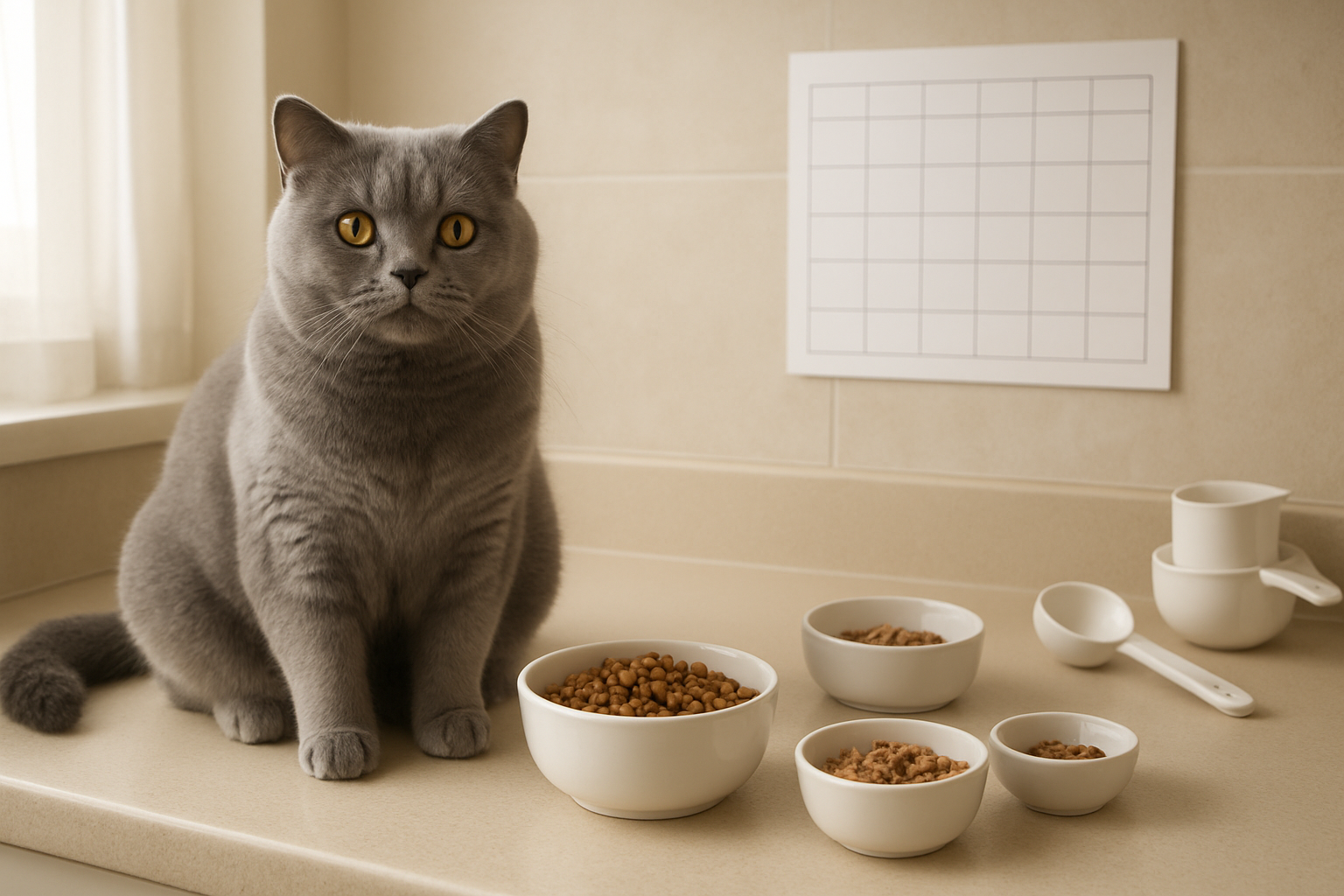
British Blue kittens under 12 weeks need frequent meals throughout the day – typically 4-5 small portions to support their rapid growth and development. Their tiny stomachs can’t handle large amounts at once, so breaking up their daily intake helps maintain steady energy levels and proper digestion.
Once your kitten reaches 3-6 months, you can reduce feeding to 3-4 meals daily. This stage is crucial for establishing healthy eating habits while supporting their continued growth. Many owners find success with a British Shorthair kitten feeding schedule guide that includes morning, midday, evening, and late-night meals.
Adult British Blues (1-7 years) typically thrive on twice-daily feeding – morning and evening meals work perfectly for most cats. This schedule aligns with their natural hunting instincts and helps prevent overeating. Some cats prefer three smaller meals, which can be especially beneficial for those prone to gulping their food.
Senior British Blues (7+ years) may benefit from returning to more frequent, smaller meals. Their metabolism slows down, and they may have dental issues that make eating more challenging. Three smaller meals can be easier on their digestive system and help maintain consistent blood sugar levels.
Calculating proper portion sizes to prevent obesity
British Blues are naturally stocky cats, but they’re unfortunately prone to weight gain if portions aren’t carefully managed. The key is understanding that feeding guidelines on pet food packages are starting points, not absolute rules.
Start with your cat’s ideal body weight, not their current weight. For most British Blues, this ranges from 9-17 pounds depending on gender and build. Males typically weigh more than females. Use this formula: multiply ideal weight by 20 calories per pound for a basic starting point, then adjust based on activity level and metabolism.
Indoor British Blues need fewer calories than outdoor cats – reduce portions by 10-20% since they’re less active. Spayed and neutered cats also require about 20% fewer calories than intact cats due to hormonal changes affecting metabolism.
Monitor your cat’s body condition score regularly. You should be able to feel their ribs with gentle pressure but not see them. Their waist should be visible when viewed from above, and there should be a slight tuck in their belly when viewed from the side.
Daily Portion Guidelines by Weight:
| Cat Weight | Daily Calories | Dry Food Amount | Wet Food Amount |
|---|---|---|---|
| 8-10 lbs | 180-200 | 1/3 – 1/2 cup | 5.5-6 oz |
| 10-12 lbs | 200-240 | 1/2 – 2/3 cup | 6-7 oz |
| 12-15 lbs | 240-300 | 2/3 – 3/4 cup | 7-8.5 oz |
| 15+ lbs | 300-340 | 3/4 – 1 cup | 8.5-9.5 oz |
Transitioning between different life stage foods
Food transitions require patience and gradual changes to avoid digestive upset. British Blues can be particularly sensitive to sudden dietary changes, so plan for a 7-10 day transition period minimum.
Week-long transition schedule:
-
Days 1-2: Mix 75% old food with 25% new food
-
Days 3-4: Use equal parts old and new food (50/50)
-
Days 5-6: Feed 25% old food with 75% new food
-
Day 7+: Complete transition to new food
Watch for signs of digestive upset during transitions, including loose stools, vomiting, or loss of appetite. If these occur, slow down the transition process and spend more time at each stage.
Kitten to adult food transitions typically happen around 12 months of age, though some British Blues continue growing until 18 months. Don’t rush this change – many premium grain-free options for British Shorthair health are formulated for “all life stages” and can continue supporting your cat through this period.
Adult to senior food transitions should happen around age 7, though some cats may benefit from switching earlier if they show signs of decreased activity or weight gain. Senior British Shorthair specialized nutritional care focuses on easier digestion, joint support, and maintaining muscle mass.
The choice between wet versus dry diet British Blue nutrition becomes especially important during transitions. Many owners find success mixing both textures during transition periods, as the moisture in wet food can help with palatability and digestion while maintaining the dental benefits of dry kibble.
When switching between best dry food brands for British Blue cats, stick to foods with similar protein and fat percentages to minimize digestive adjustment. This approach helps maintain consistent energy levels and reduces the risk of stomach upset during the change.
Special dietary Considerations and Health Management
Foods to avoid for British Shorthair safety
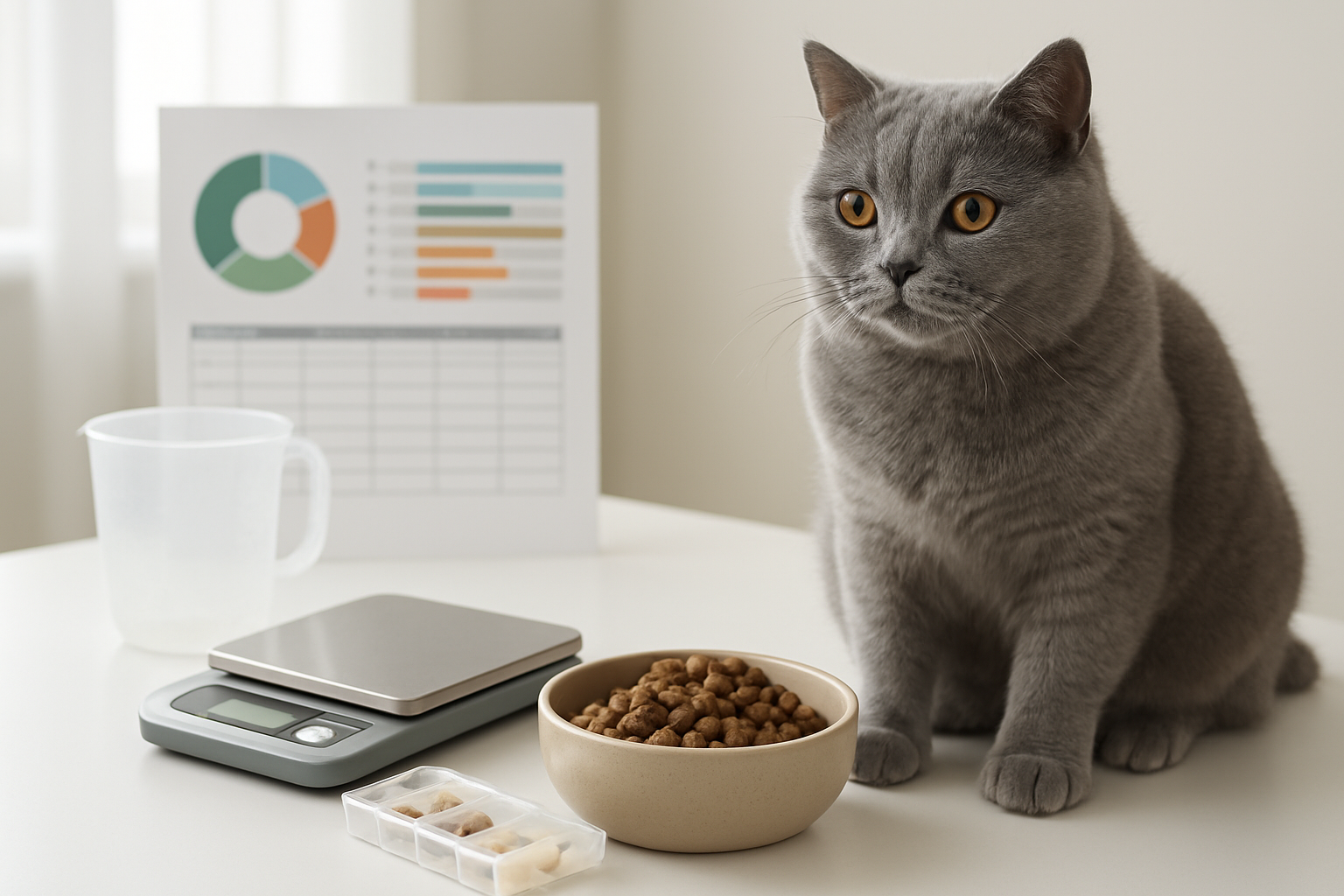
British Blues have sensitive digestive systems that require careful attention to what goes into their food bowls. Certain foods can pose serious health risks to your feline companion and should never be part of their diet.
Chocolate tops the danger list, containing theobromine and caffeine that cats cannot metabolize properly. Even small amounts can cause vomiting, diarrhea, and potentially fatal heart problems. Similarly, onions and garlic contain compounds that damage red blood cells, leading to anemia.
Raw fish presents multiple hazards. While cats love the taste, uncooked fish can harbor parasites and bacteria. Raw salmon and trout may contain a parasite that causes salmon poisoning disease. Additionally, raw fish contains thiaminase, an enzyme that destroys thiamine (vitamin B1), potentially leading to neurological problems.
Dairy products cause digestive upset in most adult cats since they lack sufficient lactase to properly digest lactose. This results in diarrhea and stomach discomfort.
Grapes and raisins are toxic to cats, though the exact mechanism remains unknown. These fruits can cause kidney failure even in small quantities. Alcohol is equally dangerous, affecting the nervous system and potentially causing coma or death.
High-fat foods like bacon, ham, and fatty meat scraps can trigger pancreatitis in British Blues, who are already prone to weight gain. Bones, especially cooked ones, splinter easily and pose choking hazards or can puncture internal organs.
When selecting commercial foods, avoid products containing excessive artificial preservatives, colors, and by-products that offer little nutritional value.
Managing food allergies and sensitivities
British Shorthairs can develop food allergies and intolerances that manifest through various symptoms. Recognizing and managing these conditions requires a systematic approach and close observation of your cat’s reactions to different foods.
Common allergens include beef, chicken, dairy products, eggs, and certain grains. Symptoms typically appear as skin irritation, excessive scratching, hair loss, digestive upset, vomiting, or chronic diarrhea. Some cats experience ear infections or respiratory issues as allergic responses.
The gold standard for identifying food allergies is an elimination diet conducted under veterinary supervision. This process involves feeding a novel protein source that your cat has never consumed before, such as duck, venison, or rabbit, along with a single carbohydrate source. The elimination phase typically lasts 8-12 weeks, during which no other foods, treats, or flavored medications should be given.
Limited ingredient diets work well for cats with confirmed sensitivities. These formulations contain fewer components, making it easier to identify and avoid problematic ingredients. Premium grain-free options for British Shorthair health often feature single protein sources and eliminate common allergens.
When introducing new foods after an elimination diet, add one ingredient at a time over several days to monitor for reactions. Keep a detailed food diary tracking what your cat eats and any symptoms that develop.
Hypoallergenic diets using hydrolyzed proteins break down protein molecules to sizes too small to trigger allergic reactions. These therapeutic diets require veterinary prescription but offer excellent options for severely allergic cats.
Supporting urinary tract health through diet
British Shorthairs are susceptible to urinary tract issues, making dietary management a critical component of their overall health strategy. The right nutritional approach can significantly reduce the risk of crystals, stones, and other urinary complications.
Moisture content plays the most important role in urinary health. Cats naturally have a low thirst drive, evolved from their desert-dwelling ancestors. Wet food provides essential hydration that helps dilute urine and flush the urinary system. A wet versus dry diet comparison for British Blue nutrition consistently favors moisture-rich options for urinary health.
Target a urine pH between 6.0 and 6.5, which helps prevent both struvite and calcium oxalate crystal formation. Many commercial diets are formulated to maintain this optimal range through carefully balanced mineral content.
Magnesium levels require careful monitoring. While cats need this mineral for proper muscle and nerve function, excessive amounts can contribute to struvite crystal formation. Look for foods containing 0.08-0.12% magnesium on a dry matter basis.
Sodium content should be moderate – enough to encourage water consumption but not so high as to stress the kidneys. Aim for foods with 0.3-0.5% sodium content.
Protein quality matters more than quantity. High-quality, easily digestible proteins reduce the workload on the kidneys while providing essential amino acids. Fish-based diets often work well, but avoid fish with high ash content.
Consider adding water to dry food or switching to wet food entirely. Some owners successfully use water fountains to encourage drinking, as many cats prefer moving water to still bowls.
Nutritional support for heart health and joint mobility
British Shorthairs face increased risks of hypertrophic cardiomyopathy and joint issues due to their stocky build and genetic predisposition. Strategic nutrition can provide significant support for both cardiovascular and musculoskeletal health.
Taurine stands as the most critical nutrient for heart health. This amino acid is essential for proper cardiac function, and deficiency can lead to dilated cardiomyopathy. Quality commercial cat foods contain adequate taurine, but cats eating primarily homemade diets may need supplementation.
Omega-3 fatty acids, particularly EPA and DHA from fish oil, provide anti-inflammatory benefits that support both heart and joint health. These essential fats help reduce inflammation in blood vessels and joints while supporting healthy blood flow. Look for foods containing fish oil or consider adding a cat-specific omega-3 supplement.
L-carnitine aids in fat metabolism and supports heart muscle function. This amino acid helps the heart use energy more efficiently and may be particularly beneficial for senior British Shorthair specialized nutritional care.
Glucosamine and chondroitin sulfate support joint cartilage health and may slow the progression of arthritis. While cats can synthesize some glucosamine naturally, supplemental amounts can provide additional joint support, especially as they age.
Antioxidants including vitamin E, vitamin C, and selenium help combat oxidative stress that contributes to heart disease and joint degeneration. Foods rich in these compounds or specific antioxidant supplements can provide protective benefits.
Maintaining an ideal body weight reduces stress on both the cardiovascular system and joints. Even a few extra pounds can significantly impact a British Blue’s mobility and heart health. Choose foods with controlled calorie density and consider weight management formulas if needed.
Practical Feeding Tips and Troubleshooting
Creating Consistent Meal Routines for Optimal Digestion
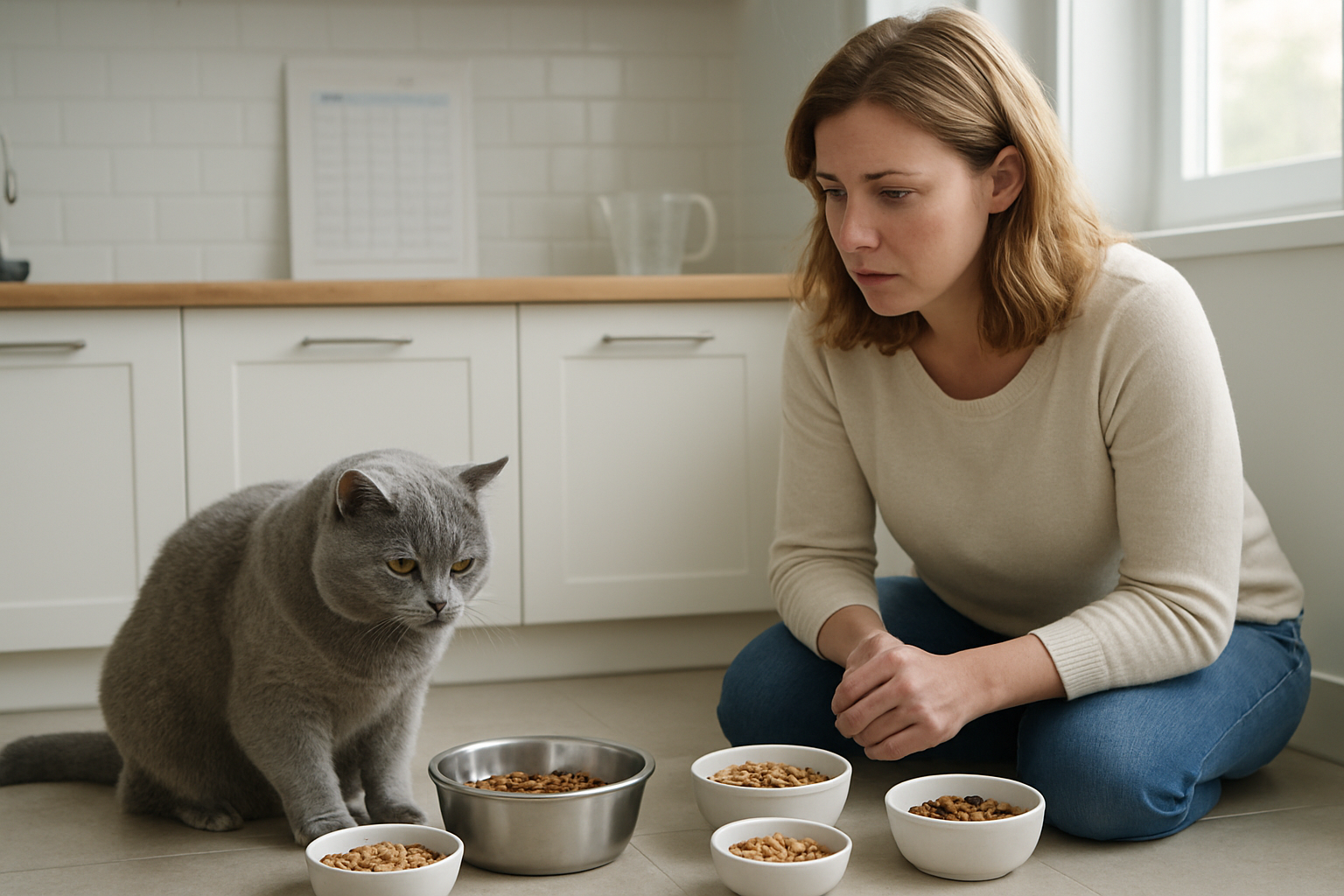
British Blues thrive on predictability, and establishing regular feeding times helps their digestive systems function at peak efficiency. Feed your cat at the same times daily – most owners find success with two main meals spaced 8-12 hours apart, typically morning and evening.
Place food bowls in the same quiet location away from high-traffic areas. Your British Blue will appreciate knowing exactly where their next meal appears. This consistency reduces stress-related digestive issues and helps prevent overeating behaviors common in this breed.
For adult cats, stick to a schedule like 7 AM and 6 PM. If you’re following a British Shorthair kitten feeding schedule guide, young cats need three to four smaller meals throughout the day until they reach six months old. Set phone reminders initially to maintain strict timing – your cat’s internal clock will quickly adapt.
Remove uneaten food after 30 minutes to prevent spoilage and maintain the routine’s structure. This practice also helps you monitor appetite changes that might signal health concerns.
Encouraging Proper Hydration Through Food Choices
British Blues often don’t drink enough water, making hydration through food choices crucial for kidney health and preventing urinary tract issues. The wet versus dry diet British Blue nutrition debate centers largely on moisture content – wet food contains roughly 75% water compared to dry food’s 10%.
Mix wet food into your cat’s daily routine, even if they primarily eat kibble. Start with a tablespoon of wet food mixed with their regular dry food, gradually increasing the ratio. Many cats find this combination irresistible.
Add warm water or low-sodium chicken broth to dry food, creating a gravy-like consistency. The enhanced aroma appeals to their strong sense of smell while boosting moisture intake. Some owners freeze diluted chicken broth in ice cube trays for a refreshing treat.
Place multiple water bowls around your home, keeping them clean and filled with fresh water daily. Glass or ceramic bowls work better than plastic, which can retain odors that deter sensitive cats.
Consider a pet water fountain if your British Blue shows interest in running water. The movement and sound often encourage increased drinking.
Addressing Picky Eating Behaviors Effectively
British Blues can develop finicky eating habits, especially if they’ve been consistently fed the same food. Combat pickiness by introducing variety gradually – mix new flavors with familiar ones over 7-10 days.
Warm wet food slightly to enhance its aroma and make it more appealing. Cold food straight from the refrigerator lacks the enticing smell that triggers appetite. A few seconds in the microwave (stirring well to avoid hot spots) can make a significant difference.
When switching between best dry food brands for British Blue cats, transition slowly to avoid digestive upset and rejection. Start with 75% old food mixed with 25% new food for three days, then progress to 50-50, then 25-75, before switching completely.
Try different textures and flavors if your cat suddenly refuses their usual food. Some British Blues prefer pâté consistency while others enjoy chunks in gravy. Rotating between chicken, fish, and beef flavors prevents boredom.
Never leave food down all day hoping a picky eater will eventually consume it. This approach often worsens the behavior and can lead to food spoilage. Instead, offer meals at scheduled times and remove uneaten portions after 30 minutes.
For persistent picky eaters, try hand-feeding small amounts or placing food on a plate instead of a bowl. Sometimes the simple change in presentation sparks renewed interest in eating.
FAQ
What’s the best commercial food brand for my British Blue cat?
Royal Canin British Shorthair Adult stands out as the top choice, specifically formulated for this breed’s unique needs. Hill’s Science Diet and Blue Buffalo Wilderness also rank among the best dry food brands for British Blue cats, offering balanced nutrition with high-quality proteins and controlled calories to prevent obesity.
How often should I feed my British Shorthair kitten?
Follow this British Shorthair kitten feeding schedule guide: 8-12 weeks old need 4-5 small meals daily, 3-6 months require 3-4 meals, and 6-12 months can transition to 2-3 meals. Adult British Blues thrive on twice-daily feeding. Always provide fresh water and monitor portion sizes to establish healthy eating habits early.
Should I choose wet or dry food for my British Blue?
The wet versus dry diet British Blue nutrition debate has a clear winner: combination feeding works best. Wet food provides essential hydration and higher protein content, while dry kibble supports dental health. A 70% wet, 30% dry ratio optimizes nutrition, prevents urinary issues, and maintains ideal weight for these muscular cats.
Are grain-free diets necessary for British Shorthairs?
Premium grain-free options British Shorthair health benefits include reduced allergies and better digestion for sensitive cats. However, not all British Blues require grain-free diets. Quality grains like brown rice provide beneficial fiber. Consult your veterinarian before switching, as some grain-free formulas may lack essential nutrients or contain excessive legumes.
What special diet does my senior British Blue need?
Senior British Shorthair specialized nutritional care focuses on joint support, kidney health, and weight management. Choose foods with glucosamine, chondroitin, reduced phosphorus, and easily digestible proteins. Senior formulas typically contain 30-35% protein and added antioxidants. Regular blood work helps adjust dietary requirements as your cat ages gracefully.
How much should I feed my British Blue daily?
Adult British Blues need 200-300 calories daily, typically 1/2 to 3/4 cup of high-quality dry food or equivalent wet food portions. Neutered cats require 10-20% fewer calories. Weight, activity level, and metabolism affect portions significantly. Use measuring cups, not bowls, and adjust based on body condition scoring rather than appetite alone.
My British Blue is overweight – what should I do?
Start with veterinary consultation to rule out medical issues. Gradually reduce portions by 10-15%, increase play sessions to 15-20 minutes twice daily, and eliminate treats temporarily. Switch to weight management formulas with higher protein and fiber. Track weekly weigh-ins and expect safe weight loss of 1-2% body weight weekly until reaching ideal condition.
Your British Blue deserves the best nutrition to maintain their robust health and stunning coat. From understanding their unique dietary needs to selecting high-quality commercial foods, the right approach to feeding can make all the difference in your cat’s quality of life. Remember that protein should be the foundation of their diet, followed by healthy fats and essential vitamins that support their immune system and maintain that gorgeous blue-gray coat.
Creating a consistent feeding schedule and monitoring portion sizes will help prevent obesity, a common issue in this breed. Pay attention to your cat’s individual needs as they age, and don’t hesitate to consult with your veterinarian about any dietary concerns or health changes. With the right food choices and feeding habits, your British Blue companion will thrive for years to come, rewarding you with their calm demeanor and affectionate personality.