

Blog
Vaccination in Cats and Kittens

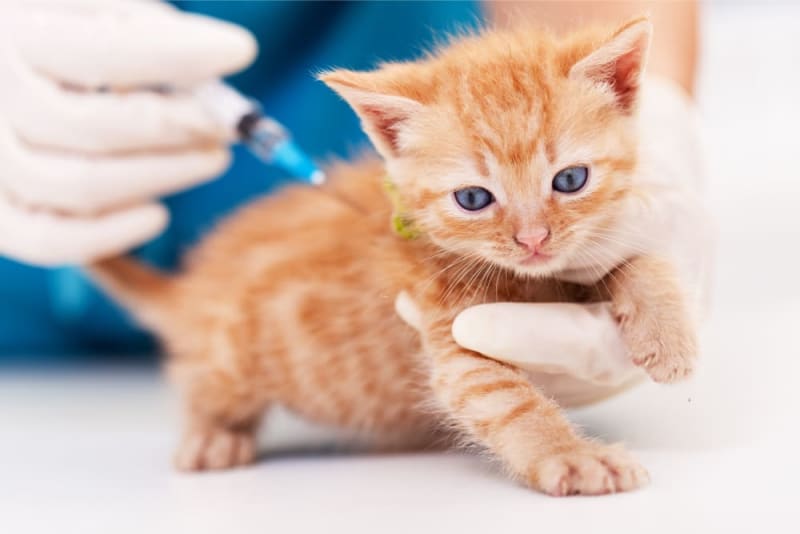
Vaccination in Cats and Kittens: Everything Pet Parents Need to Know About Protecting Their Furry Family
When you bring home a new furry friend, vaccination in cats and kittens becomes one of your most important responsibilities as a pet parent. Whether you’ve adopted a tiny kitten or welcomed a large orange Maine Coon cat into your family, understanding what vaccines your feline companion needs can feel overwhelming. The good news is that with proper vaccination, you can protect your cat from serious diseases and ensure they live a long, healthy life by your side.
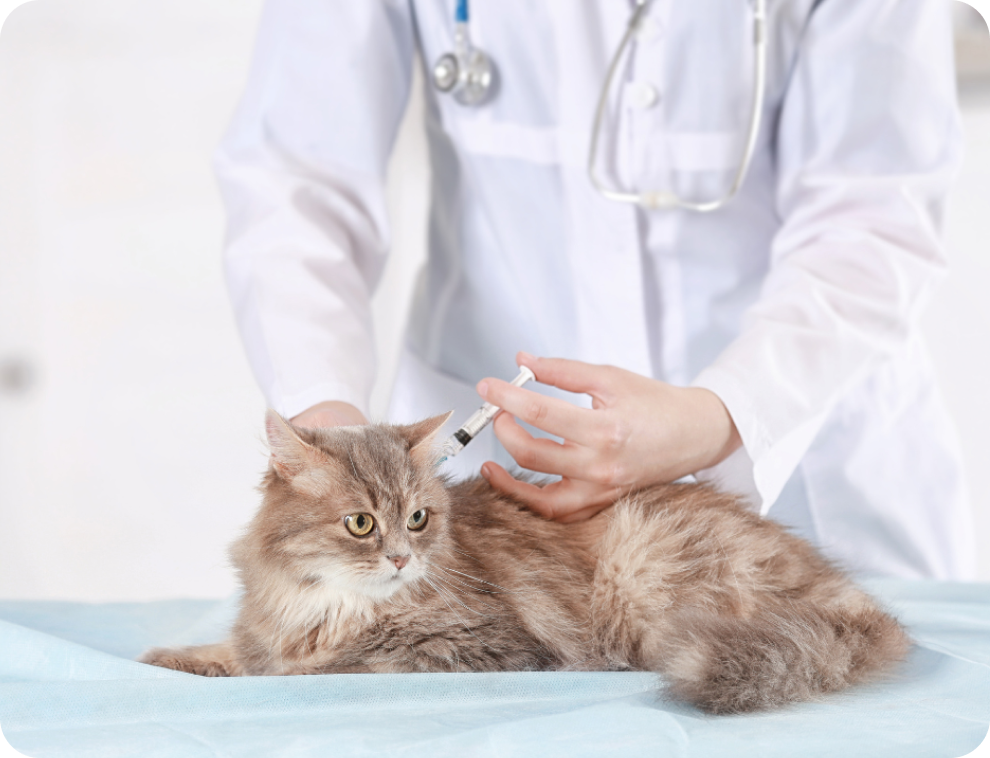
Why Vaccination in Cats and Kittens is Essential
Vaccination works by training your cat’s immune system to recognize and fight specific diseases before they can cause harm. Just like human vaccines, cat vaccines contain weakened or killed versions of viruses or bacteria that help the immune system build protection without causing the actual disease.
Disease Prevention Benefits
Vaccines protect your cat from several potentially fatal diseases:
- Rabies: A deadly viral disease that affects the nervous system
- Feline distemper: Highly contagious and often fatal in young cats
- Upper respiratory infections: Can cause severe breathing problems
- Feline leukemia: A virus that weakens the immune system
Community Health Protection
When most cats in a community are vaccinated, it creates what veterinarians call “herd immunity.” This protection helps keep diseases from spreading and protects cats who cannot be vaccinated due to health conditions.
Legal Requirements
Many states and local governments require rabies vaccination for cats. Even indoor cats may need proof of vaccination for boarding, grooming, or if they accidentally escape and are found by animal control.
What Shots Do Kittens Need: Core Vaccines
Core vaccines are considered essential for all cats, regardless of their lifestyle. These vaccines protect against diseases that are widespread, highly contagious, or pose serious health risks.
FVRCP Vaccine (Feline Combo)
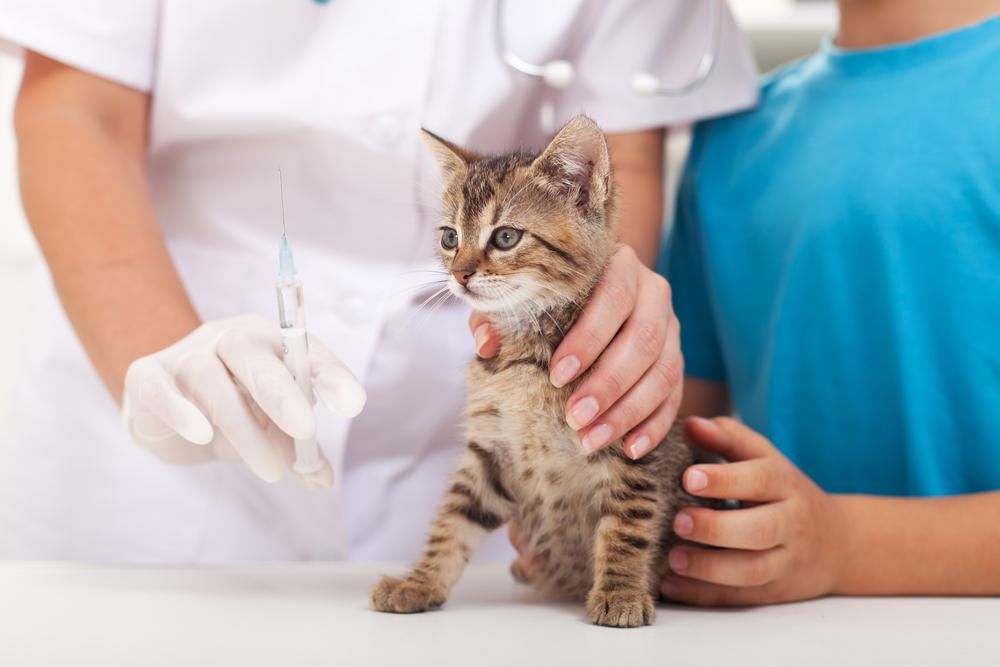
The FVRCP vaccine is often called the “feline combo” because it protects against three diseases in one shot:
Feline Viral Rhinotracheitis (FVR)
- Causes severe upper respiratory symptoms
- Spreads easily through direct contact
- Can lead to eye problems and chronic infections
Calicivirus (C)
- Another respiratory disease
- Can cause mouth ulcers and pneumonia
- Some strains can be particularly severe
Panleukopenia (P)
- Also called feline distemper
- Attacks rapidly dividing cells
- Extremely dangerous for kittens
- High mortality rate if untreated
Rabies Vaccine
The rabies vaccine is typically required by law and protects against this fatal viral disease. Rabies can be transmitted to humans, making this vaccine crucial for public health as well as your cat’s safety.
Key Facts About Rabies Vaccination:
- Usually given as a single shot initially
- Booster required annually or every three years
- Required even for indoor cats in most areas
- No cure exists once symptoms appear
What Vaccines Do Kittens Need: Non-Core Options
Non-core vaccines are recommended based on your cat’s lifestyle, geographic location, and risk factors. Your veterinarian will help you decide which of these vaccines make sense for your pet.
Feline Leukemia Virus (FeLV)
This vaccine is especially important for:
- Kittens and young cats under one year
- Cats that go outdoors
- Multi-cat households
- Cats exposed to unknown cats
Feline Immunodeficiency Virus (FIV)
Consider this vaccine if your cat:
- Goes outdoors regularly
- Has a history of fighting with other cats
- Lives in areas with high FIV rates
Bordetella
This bacterial infection causes respiratory symptoms and may be recommended for:
- Cats in boarding facilities
- Cats in shelters or multi-cat environments
- Cats with compromised immune systems
Chlamydia
This vaccine targets a bacterial infection that causes:
- Eye infections
- Respiratory symptoms
- Particularly problematic in multi-cat settings
Vaccination Timeline for Kittens
Understanding when to start vaccination in cats and kittens helps ensure your pet gets protection at the right time. The vaccination schedule typically begins when kittens are 6-8 weeks old.
First Vaccination Series (6-8 weeks)
Initial Vaccines Include:
- First FVRCP vaccine
- Physical examination
- Health assessment
Second Round (10-12 weeks)
Follow-up Vaccines:
- Second FVRCP vaccine
- First rabies vaccine (depending on local laws)
- FeLV vaccine (if recommended)
Third Round (14-16 weeks)
Final Kitten Vaccines:
- Third FVRCP vaccine
- Rabies vaccine (if not given earlier)
- Second FeLV vaccine
Why Multiple Doses Matter
Kittens receive antibodies from their mother’s milk that provide temporary protection but also interfere with vaccines. Multiple doses ensure that as maternal antibodies fade, the kitten’s own immune system takes over protection.
Adult Cat Vaccination Schedule
Adult cats need regular booster shots to maintain immunity. The frequency depends on the vaccine type and your cat’s risk factors.

Annual Vaccines
Some vaccines require yearly boosters:
- FVRCP (in high-risk cats)
- FeLV (for at-risk cats)
- Bordetella
- Chlamydia
Every Three Years
Other vaccines may be given less frequently:
- FVRCP (in low-risk indoor cats)
- Rabies (three-year vaccine available)
Titer Testing
Some veterinarians offer blood tests called titers to check immunity levels before giving booster shots. This can help determine if your cat really needs a particular vaccine.
Kitten Vaccinations Cost: Budgeting for Your Pet’s Health
Understanding kitten vaccinations cost helps you budget for your new pet’s healthcare needs. Prices vary significantly based on location, veterinary practice, and which vaccines your cat needs.
Typical Cost Ranges
Core Vaccines:
- FVRCP: $15-$30 per dose
- Rabies: $15-$25 per dose
- Complete kitten series: $75-$200
Non-Core Vaccines:
- FeLV: $20-$35 per dose
- FIV: $25-$40 per dose
- Bordetella: $20-$30 per dose
Additional Costs to Consider
Beyond the vaccines themselves, factor in:
- Examination fees: $40-$80 per visit
- Administrative fees: $10-$25
- Additional services (deworming, flea prevention)
Money-Saving Options
Low-Cost Clinics:
- Animal shelters often offer vaccination clinics
- Mobile veterinary services
- Pet store vaccination events
Wellness Plans:
- Many veterinary practices offer payment plans
- Pet insurance may cover vaccinations
- Some plans include annual vaccines in monthly payments
Cost Comparison by Region
Kitten vaccinations cost varies by geographic area:
- Urban areas: Generally higher costs
- Rural areas: Often more affordable
- West Coast and Northeast: Typically most expensive
- Midwest and South: Usually more budget-friendly
Special Considerations for Different Breeds
While vaccination in cats and kittens follows similar protocols across breeds, some cats have special considerations. For example, a large orange Maine Coon cat might need the same vaccines as a small domestic shorthair, but there are breed-specific factors to consider.

Maine Coon Cats
These gentle giants have some unique health considerations:
- Hypertrophic cardiomyopathy: Heart condition that may affect vaccine timing
- Hip dysplasia: May require modified handling during visits
- Slower maturation: May need extended kitten vaccine schedule
Persian Cats
Flat-faced breeds have respiratory considerations:
- Breathing difficulties: May need pre-medication for stress
- Eye problems: Extra attention to eye health during visits
- Heat sensitivity: Schedule appointments during cooler times
Siamese and Oriental Breeds
These active breeds often have:
- Higher stress responses: May need calming techniques
- Sensitivity to medications: Careful monitoring after vaccines
- Vocal nature: Normal for them to be more vocal during visits
Potential Side Effects and What to Watch For
Most cats tolerate vaccines well, but it’s important to know what to expect after vaccination in cats and kittens.
Normal Reactions
Mild Side Effects (24-48 hours):
- Slight lethargy or decreased activity
- Reduced appetite
- Mild soreness at injection site
- Low-grade fever
When to Call Your Veterinarian
Concerning Symptoms:
- Vomiting or diarrhea lasting more than 24 hours
- Difficulty breathing
- Swelling of face or injection site
- Extreme lethargy lasting more than 2 days
- High fever
Serious Allergic Reactions
Though rare, some cats may experience severe allergic reactions:
- Anaphylaxis: Requires immediate emergency treatment
- Facial swelling: Can interfere with breathing
- Hives or skin reactions: May need antihistamine treatment
Long-term Monitoring
Injection Site Sarcomas:
- Rare but serious tumors at injection sites
- More common in certain breeds
- Monitor injection sites for persistent lumps
- Consult veterinarian if swelling doesn’t resolve
Preparing Your Cat for Vaccination
Proper preparation makes vaccination visits less stressful for both you and your cat.
Before the Appointment
Getting Ready:
- Schedule during less busy clinic hours
- Use a secure, comfortable carrier
- Bring previous vaccination records
- Fast your cat if instructed (rare)
Carrier Training:
- Leave carrier out for several days before visit
- Place familiar blankets or treats inside
- Practice short car rides if possible
Day of Vaccination
What to Bring:
- Vaccination history
- List of current medications
- Questions for your veterinarian
- Comfort items (favorite blanket)
Timing Considerations:
- Avoid feeding large meals beforehand
- Allow extra time for travel and check-in
- Schedule when you can monitor afterward
Reducing Stress
Calming Techniques:
- Speak in quiet, reassuring tones
- Keep carrier covered partially
- Ask about anti-anxiety medications if needed
- Consider pheromone sprays
Common Myths About Cat Vaccinations
Many misconceptions exist about vaccination in cats and kittens. Let’s address some common myths with factual information.
Myth 1: Indoor Cats Don’t Need Vaccines
The Truth:
- Viruses can enter homes on clothing and shoes
- Cats can escape unexpectedly
- Emergency veterinary visits may require proof of vaccination
- Rabies vaccination is legally required regardless of lifestyle
Myth 2: Vaccines Cause More Harm Than Good
The Facts:
- Serious vaccine reactions are extremely rare
- Diseases prevented by vaccines are often fatal
- Modern vaccines are safer than ever
- Benefits far outweigh risks for almost all cats
Myth 3: Natural Immunity is Better
Reality Check:
- Natural infection often means severe illness or death
- Vaccines provide controlled exposure without disease
- Many “natural” remedies are unproven
- Vaccination has eliminated many serious diseases
Myth 4: Older Cats Don’t Need Vaccines
The Truth:
- Senior cats may have weakened immune systems
- They need protection just as much as younger cats
- Vaccine schedules may be adjusted, not eliminated
- Regular boosters maintain immunity
Finding the Right Veterinarian
Choosing the right veterinarian is crucial for your cat’s vaccination program and overall health care.
What to Look For
Professional Qualifications:
- Licensed veterinarians
- Experience with cats
- Continuing education participation
- Good standing with veterinary boards
Facility Standards:
- Clean, well-maintained clinic
- Modern equipment
- Separate areas for cats and dogs
- Emergency protocols in place
Questions to Ask
About Vaccination Protocols:
- Which vaccines do you recommend for my cat?
- How do you determine vaccination schedules?
- What are your policies on vaccine reactions?
- Do you offer titer testing?
About Practice Philosophy:
- How do you handle anxious cats?
- What emergency services do you provide?
- How do you stay current with vaccination guidelines?
- What payment options are available?
Building a Relationship
Communication is Key:
- Find a veterinarian who listens to your concerns
- Ask questions and expect thorough answers
- Discuss your cat’s lifestyle and risk factors
- Keep open dialogue about costs and options
Maintaining Vaccination Records
Keeping accurate records of your cat’s vaccinations is essential for their health care and may be required by law.
What to Keep Track Of
Essential Information:
- Date of each vaccination
- Type of vaccine given
- Vaccine manufacturer and lot number
- Veterinarian who administered vaccine
- Any reactions or side effects
Digital and Physical Records
Storage Options:
- Digital photos of vaccination certificates
- Veterinary practice online portals
- Pet health apps
- Physical copies in safe location
When You Need Records
Common Situations:
- Moving to a new veterinarian
- Boarding or grooming services
- Pet travel requirements
- Emergency veterinary visits
- Legal requirements for rabies vaccination

Conclusion
Vaccination in cats and kittens is one of the most important investments you can make in your pet’s health and longevity. From understanding what shots do kittens need to budgeting for kitten vaccinations cost, being informed helps you make the best decisions for your feline friend.
Whether you’re caring for a playful kitten or a majestic large orange Maine Coon cat, the right vaccination program protects them from serious diseases while giving you peace of mind. Work closely with your veterinarian to create a vaccination schedule that fits your cat’s lifestyle, risk factors, and your budget.
Remember that vaccines are just one part of comprehensive health care. Regular check-ups, proper nutrition, and lots of love all contribute to your cat’s well-being. By staying informed about what vaccines do kittens need and maintaining regular veterinary care, you’re setting your feline companion up for a long, healthy, and happy life.
Ready to protect your cat’s health? Schedule a vaccination consultation with your veterinarian today and take the first step toward a lifetime of wellness for your furry family member.
vaccination in cats and kittens | vaccination in cats and kittens | vaccination in cats and kittens | vaccination in cats and kittens | vaccination in cats and kittens | vaccination in cats and kittens | vaccination in cats and kittens | vaccination in cats and kittens | vaccination in cats and kittens | vaccination in cats and kittens | vaccination in cats and kittens | vaccination in cats and kittens | vaccination in cats and kittens