

Blog
5 Tips Every First-Time Cat Owner Needs to Know


5 Essential Tips Every First-Time Cat Owner Needs to Know
Getting your first cat is like opening a door to a whole new WORLD of companionship, joy, & yes—occasional chaos! You’ve probably spent hours scrolling through adorable kitten videos, imagining cozy evenings with your future feline friend purring on your lap. But here’s the THING about cats: they’re not just fluffy decorations that magically take care of themselves. These independent yet affectionate creatures come with their own unique needs, personalities, & quirks that can catch new owners completely off guard.

Maybe you’re wondering if you’ll know when your cat is happy or sick. Perhaps you’re worried about choosing the right food, or you’re already stressed about the infamous litter box situation. These concerns are totally NORMAL & show that you’re thinking like a responsible pet parent! The truth is, cats have been living alongside humans for thousands of years, but they’ve maintained their wild instincts & independent nature. This makes them fascinating companions, but it also means they communicate differently than dogs or other pets you might be familiar with.
In this guide, we’ll explore five CRUCIAL tips that will help you navigate those first few months with confidence. From creating a safe haven for your new friend to understanding their mysterious ways of communication, these insights will transform you from a worried beginner into a cat-savvy owner. Ready to embark on this incredible journey? Let’s dive into the wonderful world of cat ownership!
1. Create a Safe & Comfortable Environment
Think of your home as your cat’s entire UNIVERSE—because that’s exactly what it becomes! Unlike dogs who get daily walks to explore the neighborhood, indoor cats rely on you to make their environment stimulating, safe, & comfortable. This responsibility might seem overwhelming at first, but creating the perfect cat-friendly space is actually easier than you might think.
Start by designating a quiet area where your new cat can retreat when feeling overwhelmed. This could be a spare bedroom, a cozy corner with a soft bed, or even a large closet with the door left open. Cats are naturally cautious creatures who need time to adjust to new surroundings. During their first few days, they might hide under beds or in closets—this is completely NORMAL behavior! Don’t force them out or try to coax them with treats constantly. Instead, let them explore at their own pace while ensuring they have easy access to food, water, & their litter box.
Safety-proofing your home is absolutely ESSENTIAL & requires more attention than most people realize. Cats are incredibly curious & agile creatures who can get into spaces you never imagined possible. Secure loose wires behind furniture or use cord protectors, as many cats love to chew on electrical cords. Remove toxic plants like lilies, poinsettias, & azaleas from your home—even small amounts can be deadly to cats. Store cleaning supplies, medications, & small objects that could be choking hazards in secure cabinets.
Window safety deserves special attention, especially if you live in an apartment or multi-story home. While cats love sunbathing by windows, they can fall or jump out if windows are left open without proper screens. Install sturdy window screens or consider window guards specifically designed for pet safety. Remember, even indoor cats retain strong hunting instincts & might leap toward birds or insects without considering the HEIGHT involved!
2. Understand the Litter Box BASICS
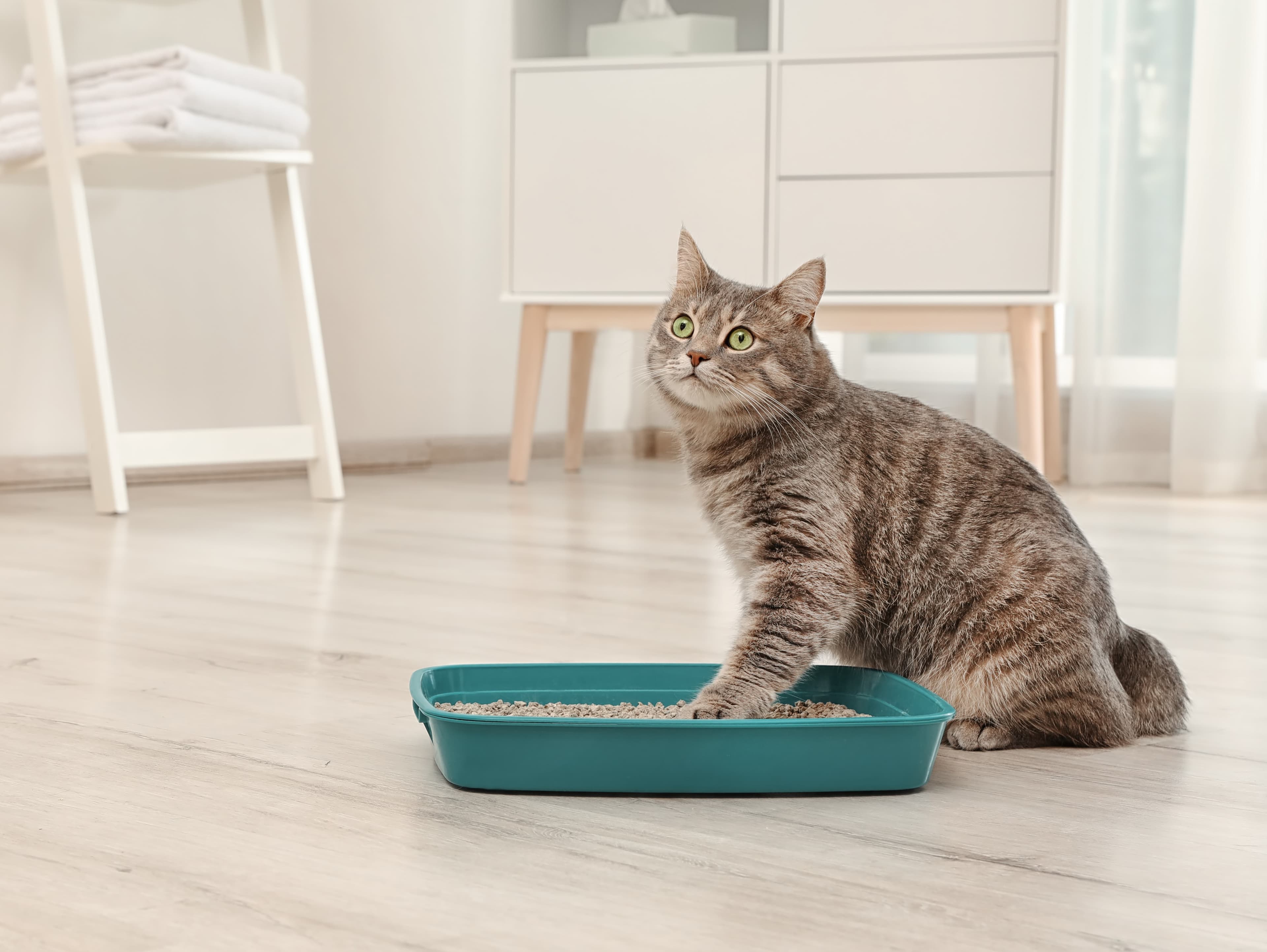
The litter box situation often causes the most anxiety for first-time cat owners, but mastering this aspect of cat care is absolutely CRUCIAL for both your sanity & your cat’s health. A clean, properly maintained litter box prevents accidents around your home & keeps your feline friend happy & comfortable. The good news? Once you establish a good routine, litter box maintenance becomes second nature.
Location matters more than most people realize when setting up a litter box. Choose a quiet, easily accessible spot away from your cat’s food & water bowls. Cats prefer privacy when doing their business, so avoid high-traffic areas like hallways or near noisy appliances. The laundry room might seem convenient for you, but the sudden sounds of the washing machine or dryer can startle your cat & make them avoid the area entirely. A corner of a bathroom, spare bedroom, or quiet basement area usually works PERFECTLY.
The type of litter & box you choose can make or break your cat’s bathroom habits. Most cats prefer unscented, clumping clay litter because it mimics the texture of sand or dirt they would naturally use outdoors. Start with a basic, non-scented variety—you can always experiment with different types later if needed. As for the box itself, bigger is generally better! Many commercial litter boxes are actually too small for adult cats. Your cat should be able to turn around comfortably & dig without hitting the sides of the box.
Cleaning frequency is where many new owners make MISTAKES that lead to bigger problems down the road. Scoop waste daily—yes, every single day! Cats are incredibly clean animals & may refuse to use a dirty box, leading to accidents elsewhere in your home. Once a week, dump all the litter, wash the box with mild soap & warm water, & refill with fresh litter. Avoid harsh chemicals or strong-scented cleaners, as cats have sensitive noses & may be deterred by lingering odors. If you live in a multi-cat household, the general rule is one litter box per cat plus one extra!
3. Learn to Read Your Cat’s Body Language & Sounds
Cats communicate constantly, but they speak a language that’s quite different from what most humans are used to understanding. Learning to interpret your cat’s body language & vocalizations is like gaining access to a SECRET code that will deepen your relationship & help you provide better care. This skill becomes especially important when trying to determine if your cat is happy, stressed, sick, or simply wants attention.
A cat’s tail is like a mood ring that tells you exactly how they’re feeling in the moment. A high, upright tail with a slight curve at the top indicates a happy, confident cat who’s pleased to see you. When the tail is puffed up like a bottle brush, your cat is either frightened or agitated & needs space to calm down. A tail that’s tucked low or between the legs suggests fear or submission, while a tail that’s thrashing back & forth rapidly indicates annoyance or overstimulation. Watch for these SUBTLE changes during petting sessions—many cats can go from enjoying attention to feeling overwhelmed quite quickly!
Ear positioning provides another window into your cat’s emotional state. Forward-facing ears that are alert & upright show interest & contentment. Ears that are flattened against the head signal fear, anger, or defensive behavior. Swiveling ears mean your cat is trying to locate & identify sounds in their environment. Eyes are equally expressive—slow blinking is actually a cat’s way of showing TRUST & affection! Try slowly blinking at your cat & see if they blink back at you. This sweet gesture is often called “cat kisses.”
Vocalizations vary dramatically between individual cats, but most owners can learn to distinguish between different types of meows & their meanings. Short, chirping meows often mean “hello” or “pay attention to me!” Longer, drawn-out meows might indicate hunger, especially if your cat is sitting near their food bowl. Purring usually signals contentment, but cats also purr when they’re anxious or in pain—context is EVERYTHING! Hissing or growling are clear warnings that your cat feels threatened & needs space immediately. Some cats are naturally more vocal than others, & you’ll quickly learn your individual cat’s communication style & preferences.
4. Feed the Right Food in the Right Amounts

Nutrition plays a MASSIVE role in your cat’s overall health, energy levels, & longevity, yet it’s an area where many well-meaning owners make critical mistakes. Cats have unique dietary requirements that differ significantly from dogs or humans—they’re obligate carnivores, which means they require nutrients found only in animal tissue to survive & thrive. Understanding these nutritional needs will help you make informed decisions about what to feed your feline companion.
High-quality commercial cat food that meets AAFCO (Association of American Feed Control Officials) standards is usually your best bet for providing complete & balanced nutrition. Look for foods where a specific meat source like “chicken” or “salmon” is listed as the first ingredient, rather than vague terms like “meat by-products.” Avoid foods with excessive fillers like corn or wheat, as cats don’t digest these ingredients efficiently. Age-appropriate food is also crucial—kittens need kitten food until they’re about one year old, while senior cats (7+ years) may benefit from formulas designed for their changing nutritional needs.
Portion control is where many cat owners go WRONG, often leading to overweight pets with health problems. The feeding guidelines on cat food packages are just starting points—your individual cat’s needs may vary based on their age, activity level, & metabolism. Most adult cats do well with two meals per day rather than free-feeding (leaving food out constantly). Measure portions using a standard measuring cup rather than eyeballing amounts. A typical adult cat weighing 8-10 pounds usually needs about 1/2 to 3/4 cup of dry food per day, divided between meals.
Fresh water is just as important as food, but it’s often overlooked by new cat owners. Cats have a low thirst drive & often don’t drink enough water, which can lead to kidney problems & urinary tract issues over time. Provide fresh water daily in a clean bowl, & consider placing multiple water sources around your home. Many cats prefer running water, so a pet water fountain might encourage better hydration habits. Wet food can also help increase your cat’s daily water intake—even mixing a small amount of water into dry food can make a DIFFERENCE in their overall hydration levels!
5. Establish a Relationship with a Good Veterinarian
Building a strong relationship with a qualified veterinarian is one of the most IMPORTANT investments you’ll make in your cat’s health & happiness. This relationship should begin before you even bring your new cat home, as having professional support from day one can prevent minor issues from becoming major problems. A good vet becomes your partner in ensuring your cat lives a long, healthy, & comfortable life.
Schedule your cat’s first veterinary visit within a week of bringing them home, even if they seem perfectly healthy. This initial exam allows the vet to establish baseline health information, discuss vaccination schedules, & address any concerns you might have as a new owner. During this visit, bring any medical records from the shelter, breeder, or previous owner, along with a list of questions about feeding, behavior, or general care. Don’t feel embarrassed about asking basic questions—veterinarians expect & appreciate owners who want to learn!
Preventive care is far more cost-effective & less stressful than treating serious illnesses that could have been prevented. Keep up with regular vaccination schedules, which typically include rabies, FVRCP (feline viral rhinotracheitis, calicivirus, & panleukopenia), & potentially others based on your cat’s lifestyle & risk factors. Annual or bi-annual wellness exams allow your vet to catch health issues early when they’re most treatable. During these visits, your vet will check your cat’s weight, teeth, heart, & overall condition while discussing any changes in behavior or appetite you’ve noticed.
Spaying or neutering your cat is a crucial decision that affects their health, behavior, & the pet overpopulation problem. This procedure is typically done around 4-6 months of age & provides numerous benefits including reduced cancer risks, elimination of heat cycles (for females), & decreased territorial marking & roaming behaviors. Discuss the timing & benefits of this procedure with your veterinarian based on your specific cat’s needs & circumstances. Remember, even if your cat will be strictly indoors, spaying or neutering is still HIGHLY recommended for health & behavioral reasons.
Your Journey as a Cat Parent Starts NOW!

Congratulations on taking the first step toward becoming a confident, knowledgeable cat owner! The five tips we’ve covered—creating a safe environment, mastering litter box basics, understanding feline communication, providing proper nutrition, & establishing veterinary care—form the foundation of successful cat ownership. Remember that every cat is unique, & what works perfectly for one feline might need adjustment for another. Be patient with yourself & your new companion as you both adjust to this exciting new chapter.
The learning process doesn’t end here, though. As you spend more time with your cat, you’ll discover their individual preferences, quirks, & personality traits that make them special. Some cats love belly rubs while others find them overstimulating. Some are chatty & social, while others are quiet & independent. Pay attention to these nuances & adjust your care accordingly. Don’t hesitate to reach out to your veterinarian, experienced cat-owning friends, or reputable online resources when you have questions or concerns.
Most importantly, enjoy this incredible journey! The bond between a human & their cat is truly something SPECIAL. Those quiet moments when your cat chooses to curl up on your lap, the silly antics that make you laugh, & the comfort of a purring companion during difficult times—these are the rewards that make all the learning & adjustment worthwhile. Your cat is lucky to have found an owner who cares enough to educate themselves about proper care. With patience, love, & the knowledge you’ve gained, you’re well on your way to providing a wonderful home for your feline friend. Welcome to the amazing world of cat parenthood—you’ve got this!
First-Time Cat Owner