

Blog
How to Tell Scottish and British Cats Apart

Physical Appearance: How to Tell Scottish and British Cats Apart
Distinctive Ear Features: Folded vs. Straight
The most obvious difference between Scottish and British cats lies in their ears. Scottish Folds possess those instantly recognizable folded ears that bend forward, covering the ear canal and giving them an owl-like or teddy bear appearance. This distinctive feature results from a natural cartilage mutation that affects the ear structure. Not all Scottish cats have folded ears, though – Scottish Straights, which are part of the same breed group, have normal upright ears but carry the same genetic makeup apart from the fold gene.
British Shorthairs, by contrast, always have upright ears with a notably broader base compared to other cat breeds.
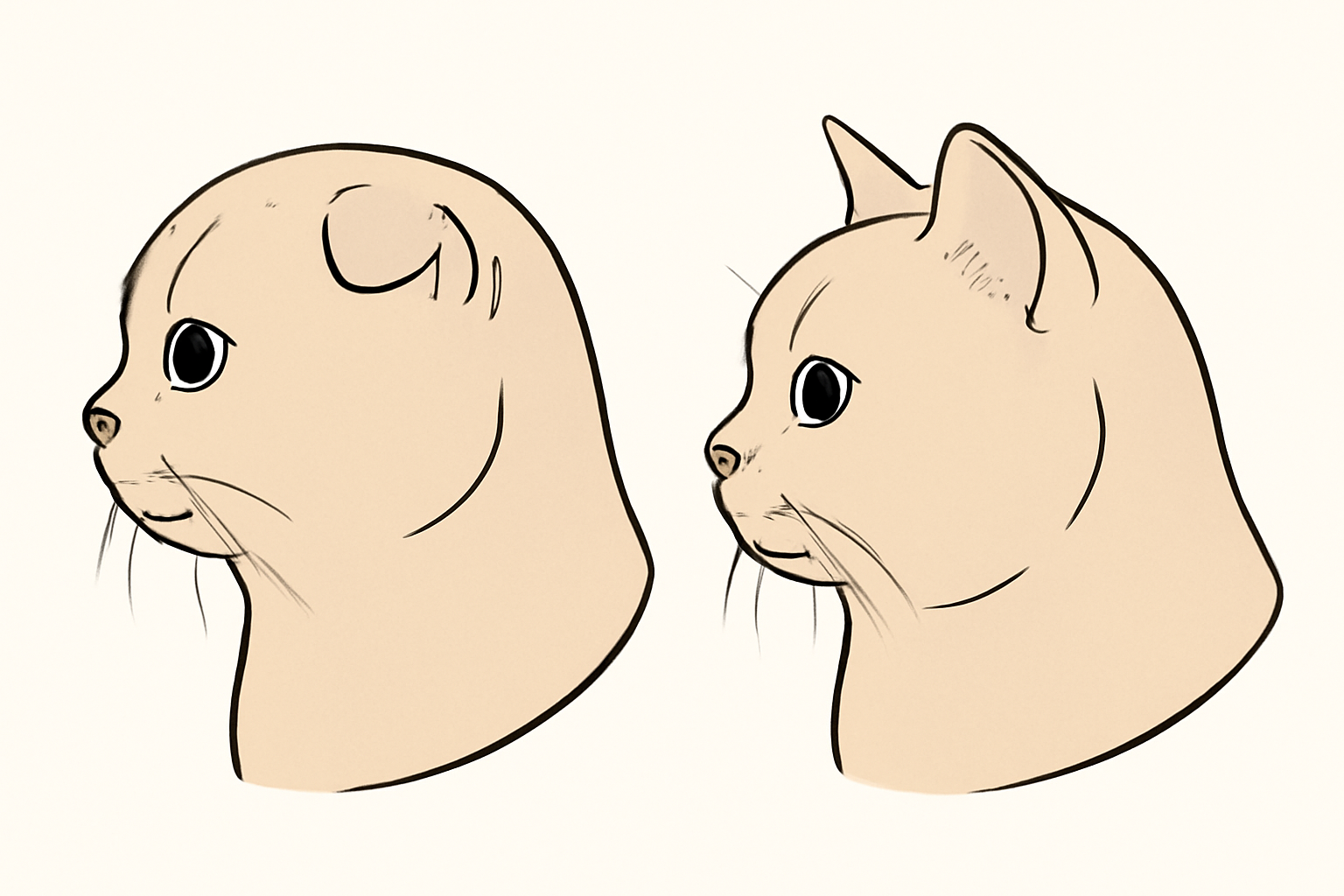
Their ears sit wide apart on their rounded heads, complementing their overall stocky appearance.
It’s important to know that the fold gene is dominant but heterozygous, meaning ethical breeding practices must involve pairing Scottish Folds with Scottish Straights. This prevents the serious cartilage problems that can occur when two fold-gene carriers are bred together.
Facial Structure Differences: Round vs. Brutal
When examining their faces, Scottish cats have a perfectly round muzzle with smaller cheeks, giving them what breeders call a “childish expression” – sweet, innocent, and perpetually kitten-like. This contributes significantly to their high “cuteness factor” or what breeders sometimes call the “mi-target” appeal.
British Shorthairs, meanwhile, feature what’s often described as a more “brutal muzzle” with prominent, chubby cheeks that create their signature “smiling” appearance. Their face structure appears more mature and robust compared to the Scottish’s baby-like features.
Both breeds share large round eyes that enhance their appealing looks, but Scottish cats typically appear more wide-eyed and innocent, further cementing their eternal kitten-like charm.
Body Type Comparison: Powerful vs. Graceful
The body structures of these breeds are strikingly different. British Shorthairs have powerful, stocky bodies with broad shoulders and substantial bone structure. Males typically weigh between 5-6 kg, while females are lighter at 3-4 kg. Their muscular build gives them a solid, sturdy appearance that cat fanciers often compare to a “brick with fur.”
Scottish cats present a more graceful silhouette with a lighter backbone and greater plasticity in movement.
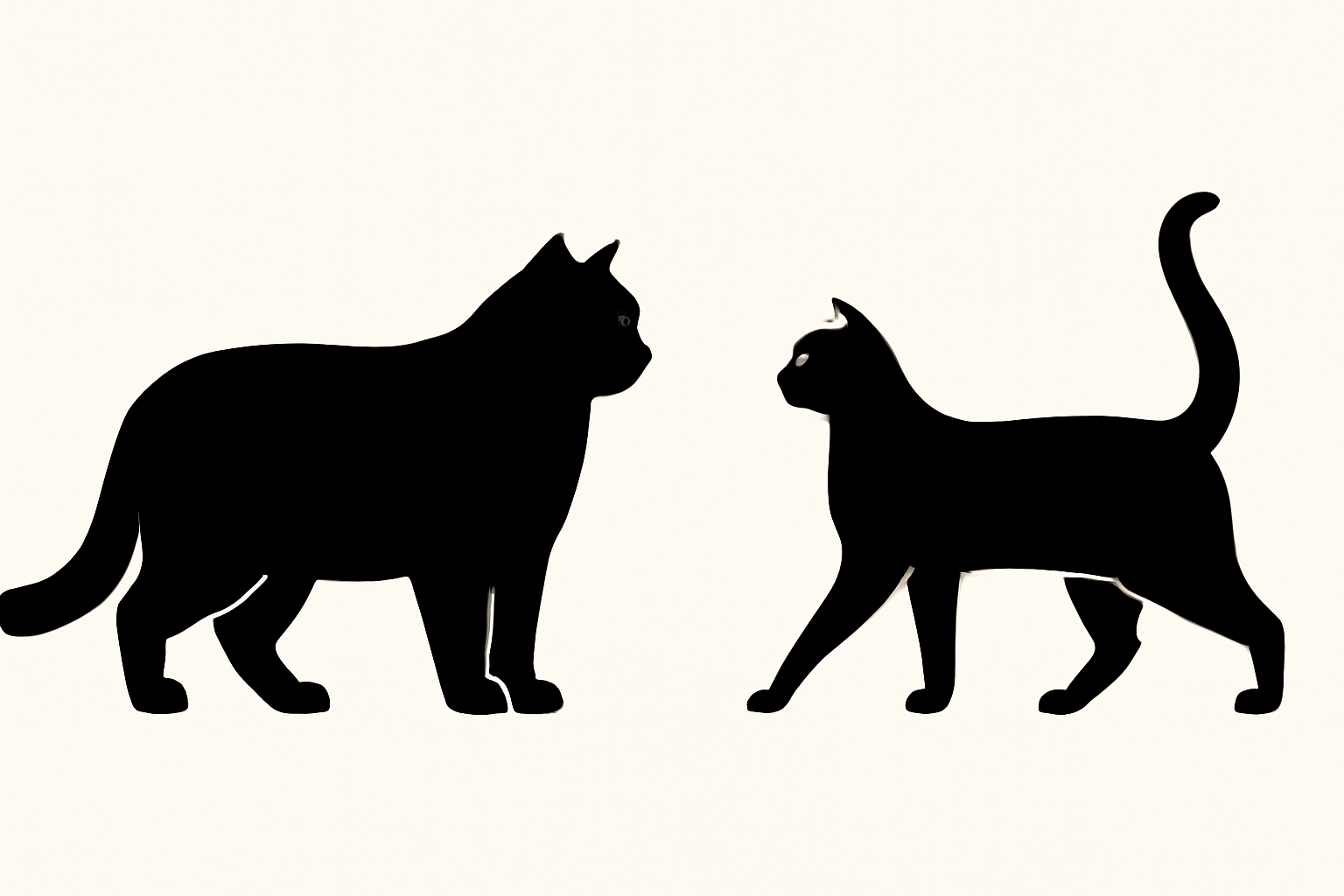
They’re generally more agile and flexible, with a refined bone structure and a flexible, long tail that adds to their elegant appearance.
Both breeds display pronounced sexual dimorphism, with males being significantly larger and more muscular than females. This size difference becomes clearly visible once the cats reach adulthood, around 2-3 years of age.
Temperament and Personality Traits
Scottish Cats: The Diplomatic Companions
Scottish cats have earned their reputation as “excellent diplomats” in the feline world. Their balanced and judicious nature makes them remarkably adaptable to virtually any living situation. Whether in a busy household with children or a quiet apartment with a single owner, these graceful companions adjust their behavior to suit their environment.
Unlike some breeds that demand constant attention, Scottish cats strike a perfect balance between independence and affection. They’re extremely sociable and develop what breeders often describe as a “betrayed love for master” – forming exceptionally strong bonds with their human families. This deep attachment doesn’t manifest as clinginess, but rather as a loyal, steady companionship.
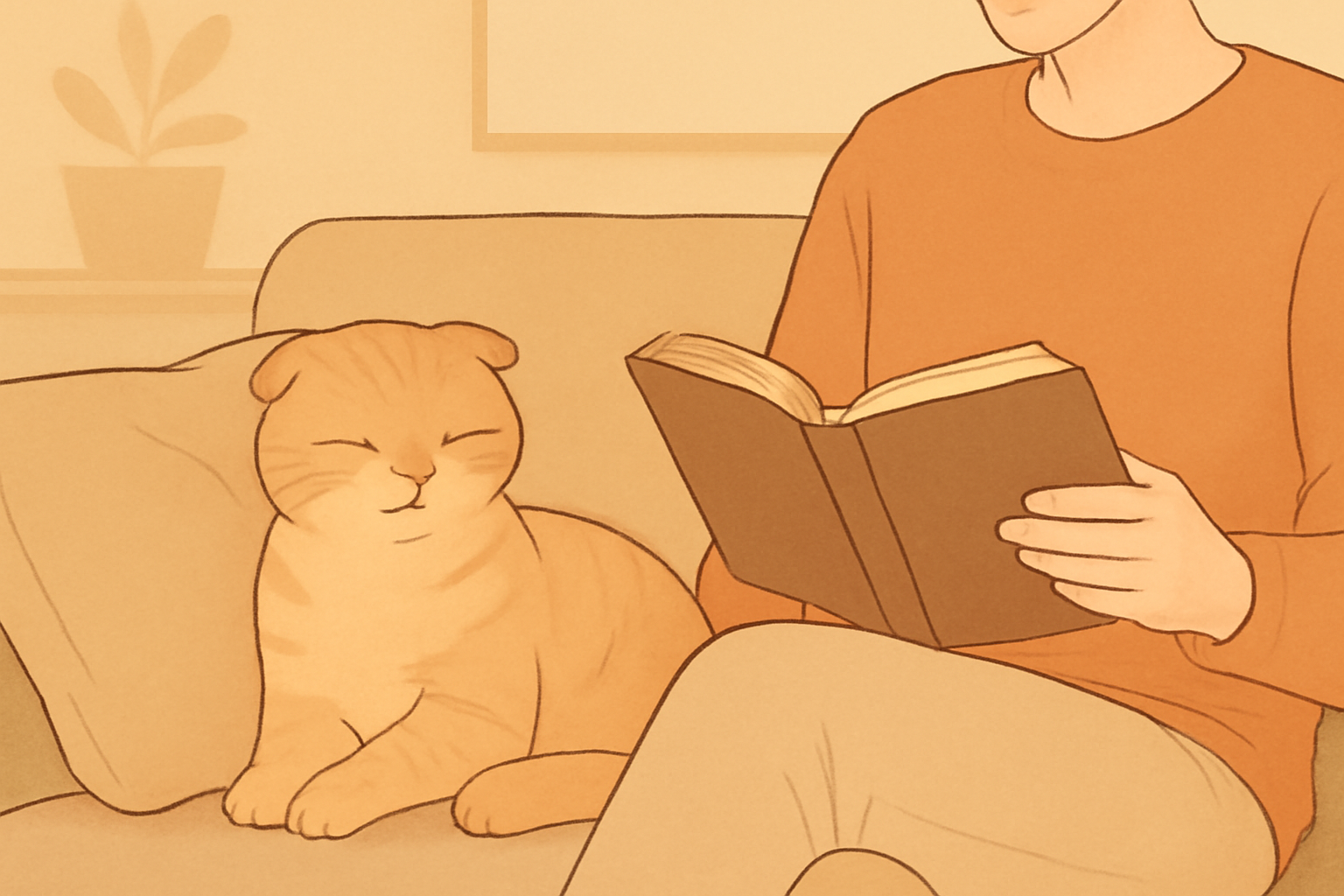
One of the most endearing qualities of Scottish Shorthair and Scottish Fold cats is their patience. They tend to be silent and unobtrusive, content to observe household activities from a comfortable perch. Don’t mistake this calm demeanor for aloofness though – these cats remain playful and affectionate throughout their lives, maintaining kitten-like playfulness well into adulthood.
British Cats: The Reserved Aristocrats
British Shorthairs present a striking contrast in temperament. These cats maintain a more independent, sometimes even hermitic lifestyle. They typically require less physical contact than many other breeds, preferring to express affection on their own terms rather than through constant cuddles.
Their aristocratic nature can manifest as a certain severity toward roommates – both human and animal.
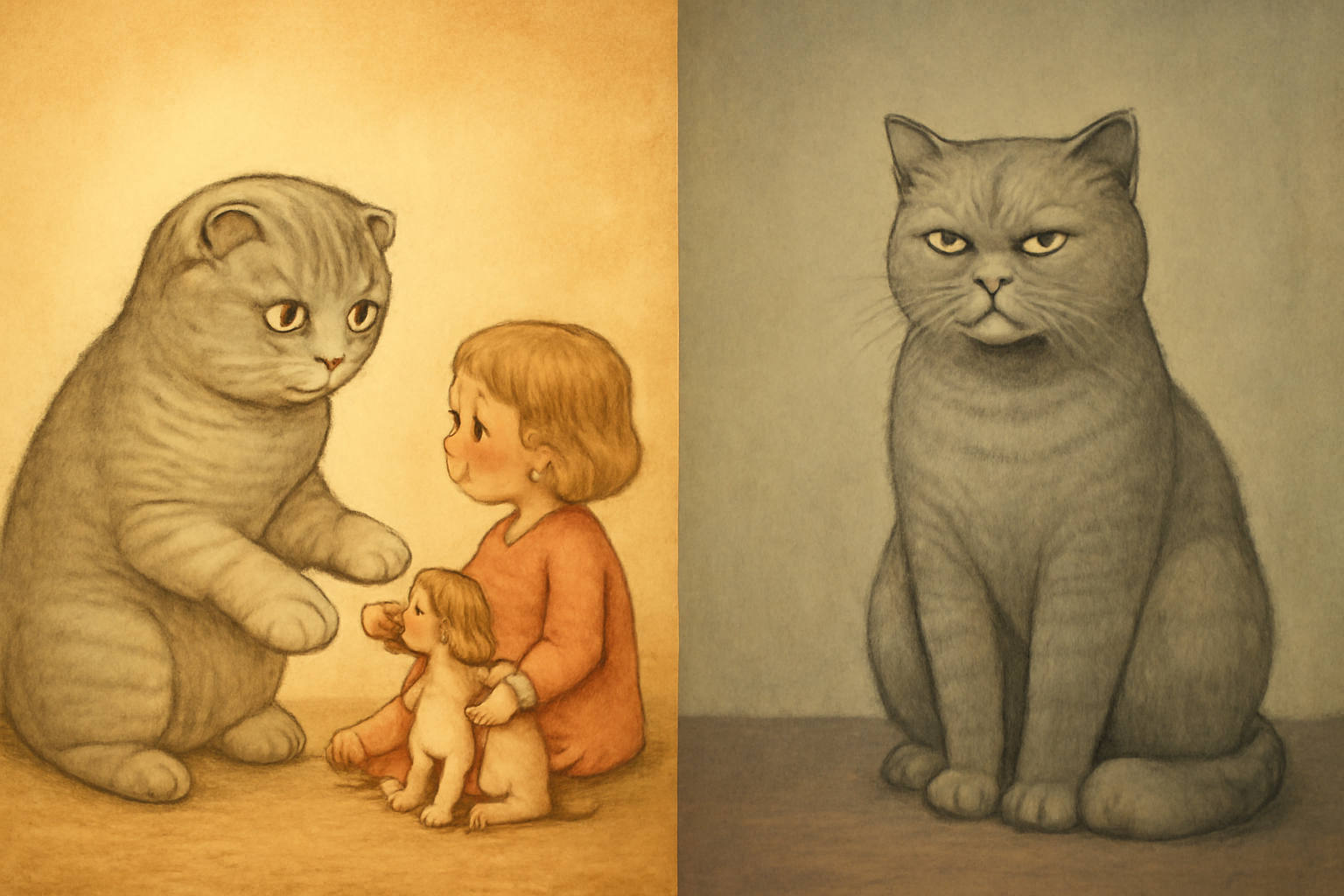
British cats have mastered what owners often describe as “marking distance with a heavy look” – a distinctly dignified expression that seems to communicate boundaries. This isn’t rudeness but rather part of their reserved personality.
Despite their more distant demeanor, British Shorthairs are deeply loyal and develop strong bonds with their families. Their affection simply manifests differently – through quiet companionship, gentle head bumps, and occasional cuddling sessions that are entirely on their terms. As feline behavior experts note, these cats appreciate respectful relationships where their independence is honored.
Social Adaptability: Family and Other Pets
The difference in temperament between these breeds becomes particularly evident in multi-pet households. Scottish cats typically get along exceptionally well with children, dogs, and even birds or rodents, showing minimal aggression. Their diplomatic nature makes them natural peacekeepers in diverse animal families.
British cats can certainly be playful and friendly with other pets, but they generally prefer a more structured environment with clear boundaries and respectful interactions. They’re less likely to tolerate rough handling from young children or overenthusiastic dogs, preferring calm, gentle engagement.
Both breeds share notable intelligence, excellent memory, and noble manners, making them highly trainable and adaptable companions. According to feline behavior specialists, these shared traits contribute to their popularity as family pets, despite their different approaches to socialization.
Health Considerations and Breed-Specific Issues
Scottish Fold Health: Understanding Cartilage Concerns
The adorable folded ears that make Scottish Folds so distinctive unfortunately come with serious health implications. The dominant gene responsible for those cute folded ears also causes osteochondrodysplasia, a developmental abnormality affecting cartilage and bone formation throughout the entire body—not just the ears.
This condition can manifest as progressive joint stiffness, particularly in the tail, ankles, and knees.
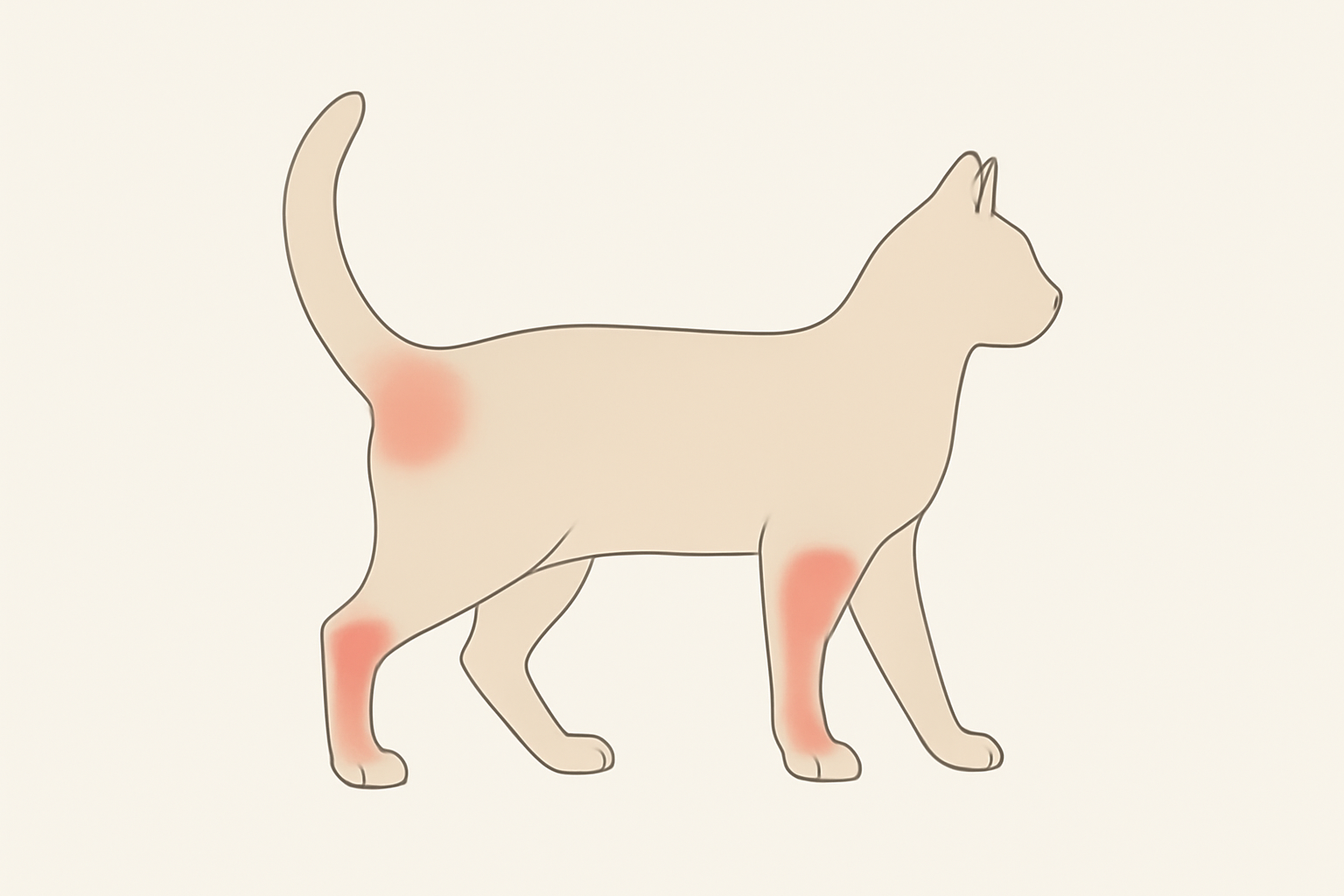
Many Scottish Folds develop painful arthritis much earlier than other cat breeds, sometimes showing signs as young as 6-8 months of age. In severe cases, cats may develop an abnormal, stiff gait or become reluctant to jump and play due to discomfort.
The only way to reduce these risks is through responsible breeding practices. Ethical breeders pair Scottish Folds exclusively with Scottish Straights (cats with normal upright ears), never breeding fold-to-fold. While this approach helps minimize health concerns, it cannot completely eliminate the genetic risks, as research from the Universities Federation for Animal Welfare shows.
British Shorthair Health Profile
British Shorthairs generally enjoy robust health, but they do have breed-specific concerns to watch for. Their most significant health risk is hypertrophic cardiomyopathy (HCM), the most common form of heart disease in cats. This condition causes the heart muscle to thicken, reducing its efficiency and potentially leading to heart failure.
Their stocky, powerful build makes British Shorthairs particularly prone to obesity if their diet and exercise aren’t carefully monitored. Weight management is crucial since excess pounds can worsen joint problems and increase the risk of diabetes and other conditions.
Despite these concerns, with proper care, British Shorthairs typically live 14-20 years, making them one of the longer-lived pedigree cat breeds. Their naturally sturdy constitution contributes to their longevity when combined with regular veterinary checkups and appropriate diet.
Genetic Testing and Responsible Breeding
Quality catteries prioritize health over appearance by implementing comprehensive genetic screening programs.

Reputable breeders test their breeding cats for several conditions:
- PKD (polycystic kidney disease) screening
- HCM genetic testing and regular cardiac ultrasounds
- Fold-gene carrier status (for Scottish cat lines)
- Blood typing to prevent neonatal isoerythrolysis
The specific testing requirements differ between breeds, reflecting their unique genetic predispositions. For Scottish cats, cartilage development and joint health are primary concerns, while British Shorthair breeding focuses more on cardiac screening.
When searching for a kitten, ask breeders about their health testing protocols. The best breeders will readily share test results and discuss their breeding program’s health priorities, as recommended by the International Cat Care breeding guidelines.
Care Requirements and Living Environment
Grooming Needs: Plush Coats Comparison
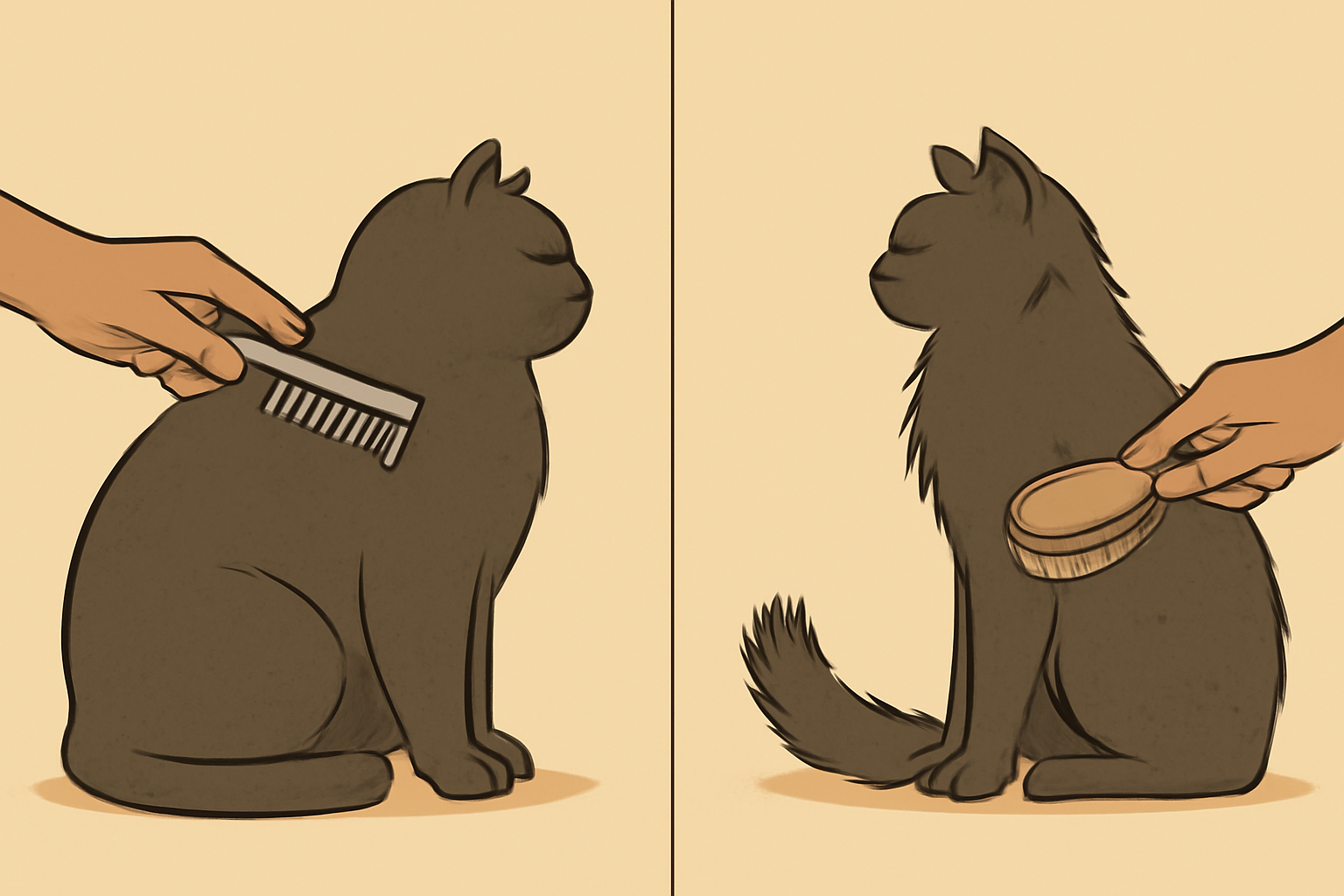
British Shorthairs boast exceptionally dense, plush coats that feel like touching a luxurious velvet teddy bear. Despite their “shorthair” classification, their fur requires consistent maintenance due to its density. Plan for weekly brushing sessions with a steel comb or rubber brush to remove loose hair and distribute natural oils. During spring and fall shedding seasons, you’ll need to increase brushing to 2-3 times weekly to manage the significant fur turnover, as noted in Royal Canin’s breed profile.
Scottish cats (both Folds and Straights) have notably softer, less dense coats that feel silky to the touch. Their lighter backbone and more graceful body structure extend to their fur maintenance needs—a quick brushing session once or twice weekly is typically sufficient. Their refined ear cartilage requires gentle handling during grooming, especially for Folds.
Both breeds are fastidious self-groomers who take pride in their appearance, but they appreciate human assistance with hard-to-reach areas. This grooming time doubles as bonding time, particularly valued by sociable Scottish cats with their “betrayed love for master” tendency.
Activity Levels and Exercise Requirements
Scottish kittens and adults maintain moderate, consistent activity levels throughout their lives. Their natural plasticity of movement gives them an elegant, graceful quality when they play. They balance playfulness with a patient, unobtrusive nature, making them excellent diplomats in multi-pet households.
British Shorthairs display a more dramatic activity shift across their lifespan. As kittens, they’re quite energetic and playful. However, adult British cats become notably more sedentary, often preferring observation to participation. Their powerful, stocky builds (males reaching 5-6 kg) can predispose them to weight gain without proper exercise management, as feline experts explain.
Interactive play sessions are crucial for both breeds—aim for 15-20 minutes twice daily with wand toys, laser pointers, or puzzle feeders.
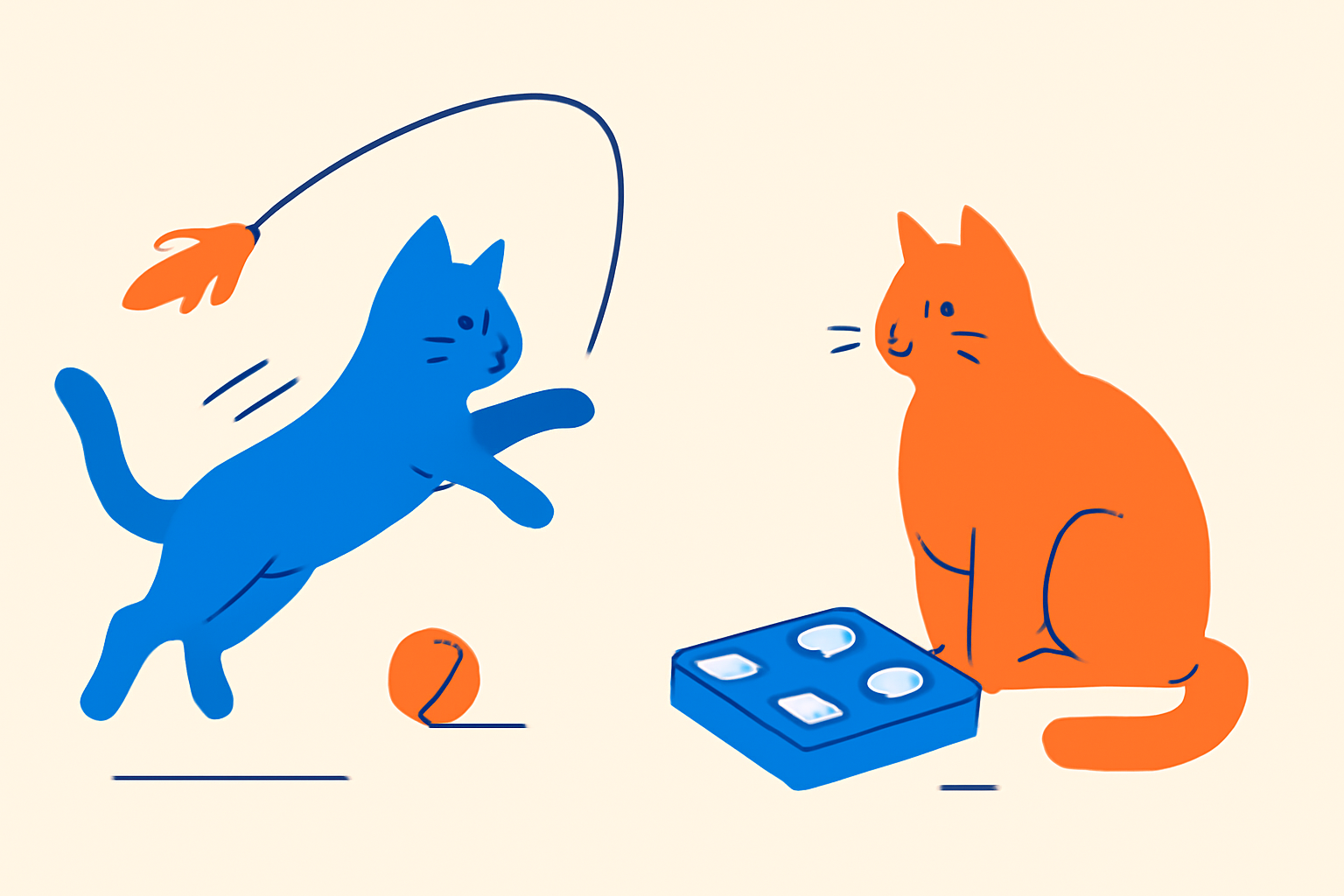
British cats particularly need this encouragement to maintain healthy weight and mental stimulation despite their hermitic lifestyle tendencies.
Living Space and Environmental Preferences
British Shorthairs thrive in structured environments that reflect their aristocratic, somewhat reserved personalities. They appreciate dedicated resting spaces—preferably elevated—where they can observe household activities from a dignified distance. Cat trees with sturdy platforms support their substantial body mass comfortably.
Scottish cats adapt wonderfully to various living situations thanks to their balanced, judicious temperament. Their unobtrusive behavior makes them ideal for everything from small apartments to large family homes. Their sociable nature and exceptional compatibility with children, dogs, cats, birds and even rodents make them extraordinarily flexible housemates, according to breed behavior profiles.
Both breeds make excellent apartment dwellers but benefit from environmental enrichment. Window perches for bird-watching, interactive toys, and scratch posts help satisfy their instinctual needs while respecting their different activity preferences.
Making the Right Choice: Which Breed Is Right for You?
Lifestyle Compatibility Considerations
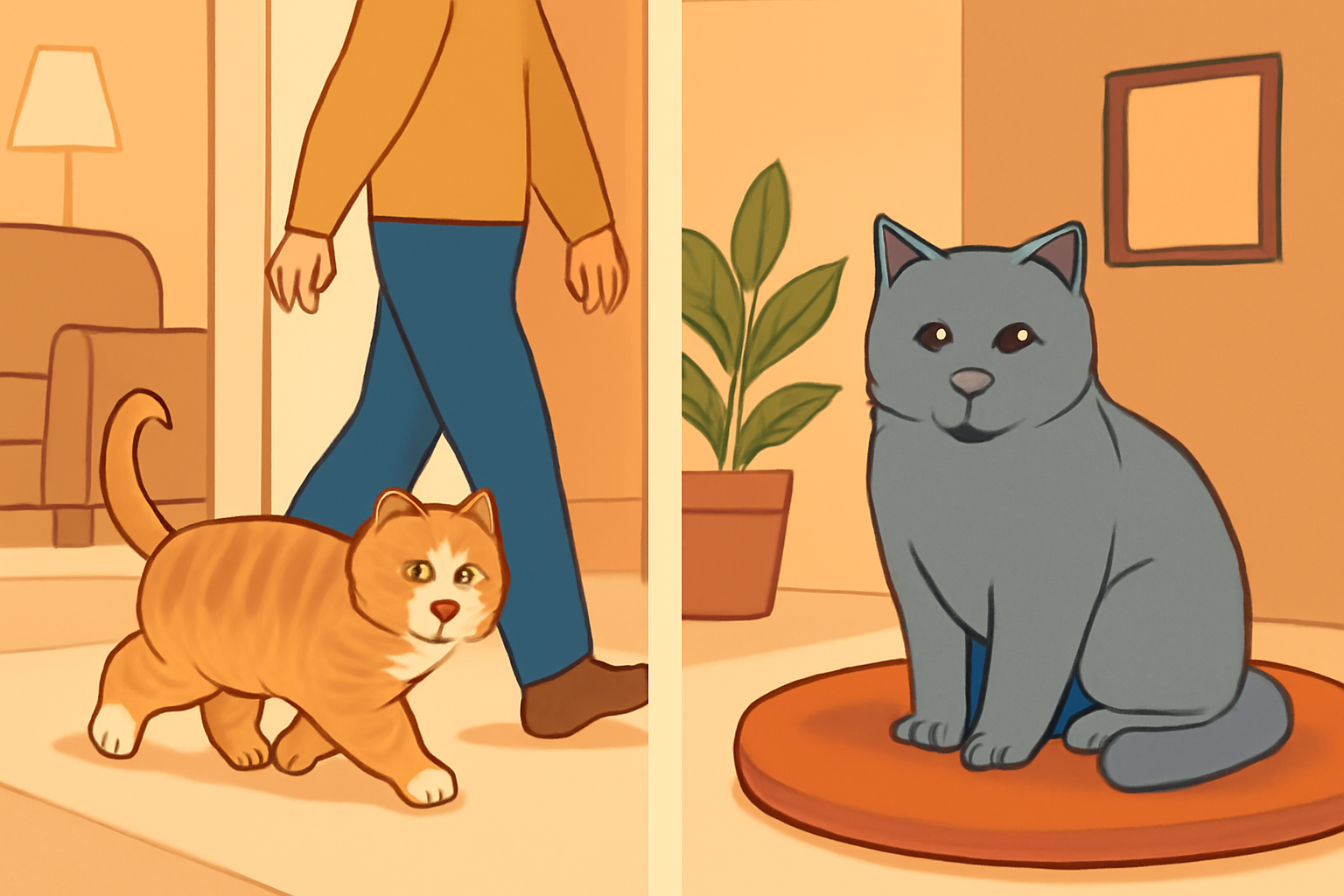
Scottish cats make perfect companions for bustling households with multiple family members and other pets. Their adaptable, diplomatic nature means they readily form bonds with everyone in the home, including children and other animals. As noted by pet adoption experts, Scottish Folds and Straights particularly shine in environments where they can be involved in family activities while receiving plenty of affection.
British Shorthairs, with their more reserved aristocratic temperament, better suit pet parents who appreciate a cat with independent tendencies. They’ll be loyal and loving but prefer to show it on their own terms. Their need for personal space makes them ideal for quieter homes where they can maintain their dignified demeanor. British cats may “mark distance with a heavy look” when they need alone time, but this doesn’t diminish their deep attachment to their families.
Your daily routine matters too – Scottish cats adapt well to various activity levels, while British cats prefer more structured environments with predictable interactions. Consider whether you want a “sociable” shadow that follows you room-to-room or a noble companion who offers affection in measured doses.
Ethical Considerations When Purchasing
When buying a kitten from either breed, thoroughly research cattery reputations. Ethical breeders like Foldlandia prioritize “improving health pedigree” over purely aesthetic traits. According to breed association guidelines, responsible Scottish Fold breeders exclusively follow fold-to-straight breeding practices to minimize health concerns related to the cartilage mutation.
Be prepared for varying price points based on pedigree quality. Show-quality kittens with exceptional lineage typically command premium prices, while pet-quality kittens (with the same loving temperament) may be more affordable. Both breeds represent significant investments, with prices reflecting their pedigree, health testing, and care before adoption.
Long-term Commitment: Lifespan and Aging Considerations
Both breeds typically enjoy lifespans of 12-16 years, representing a substantial commitment. As they age, their needs evolve in breed-specific ways. Veterinary experts note that Scottish Folds often require additional joint care as they mature due to their cartilage condition, potentially including anti-inflammatory medications or joint supplements.
British Shorthairs become notably more sedentary with age, transitioning from playful kittens to sedentary adults who prefer observation over participation. Their tendency toward weight gain requires vigilant diet management and encouraged exercise to prevent obesity-related health issues as they age.
Kitten vs. Adult Adoption: Recognizing Differences
Distinguishing between Scottish and British kittens can be challenging until they reach 3-4 months of age. According to adoption specialists, breed characteristics become more pronounced as they mature – British kittens develop their signature chubby cheeks and powerful bodies, while Scottish kittens reveal their graceful movements and (potentially) folded ears. Adult cats display much clearer breed traits in body structure and personality. If you’re uncertain which breed better matches your lifestyle, consider adopting an adult cat whose temperament and appearance are fully developed. This provides greater certainty about compatibility while offering a deserving cat a forever home.
How to Tell Scottish and British Cats | How to Tell Scottish and British Cats | How to Tell Scottish and British Cats | How to Tell Scottish and British Cats | How to Tell Scottish and British Cats | How to Tell Scottish and British Cats | How to Tell Scottish and British Cats | How to Tell Scottish and British Cats | How to Tell Scottish and British Cats | How to Tell Scottish and British Cats | How to Tell Scottish and British Cats | How to Tell Scottish and British Cats| How to Tell Scottish and British Cats | How to Tell Scottish and British Cats | How to Tell Scottish and British Cats | How to Tell Scottish and British Cats | How to Tell Scottish and British Cats | How to Tell Scottish and British Cats | How to Tell Scottish and British Cats | How to Tell Scottish and British Cats | How to Tell Scottish and British Cats | How to Tell Scottish and British Cats | How to Tell Scottish and British Cats