

Blog
8 bald and beautiful hairless cat breeds
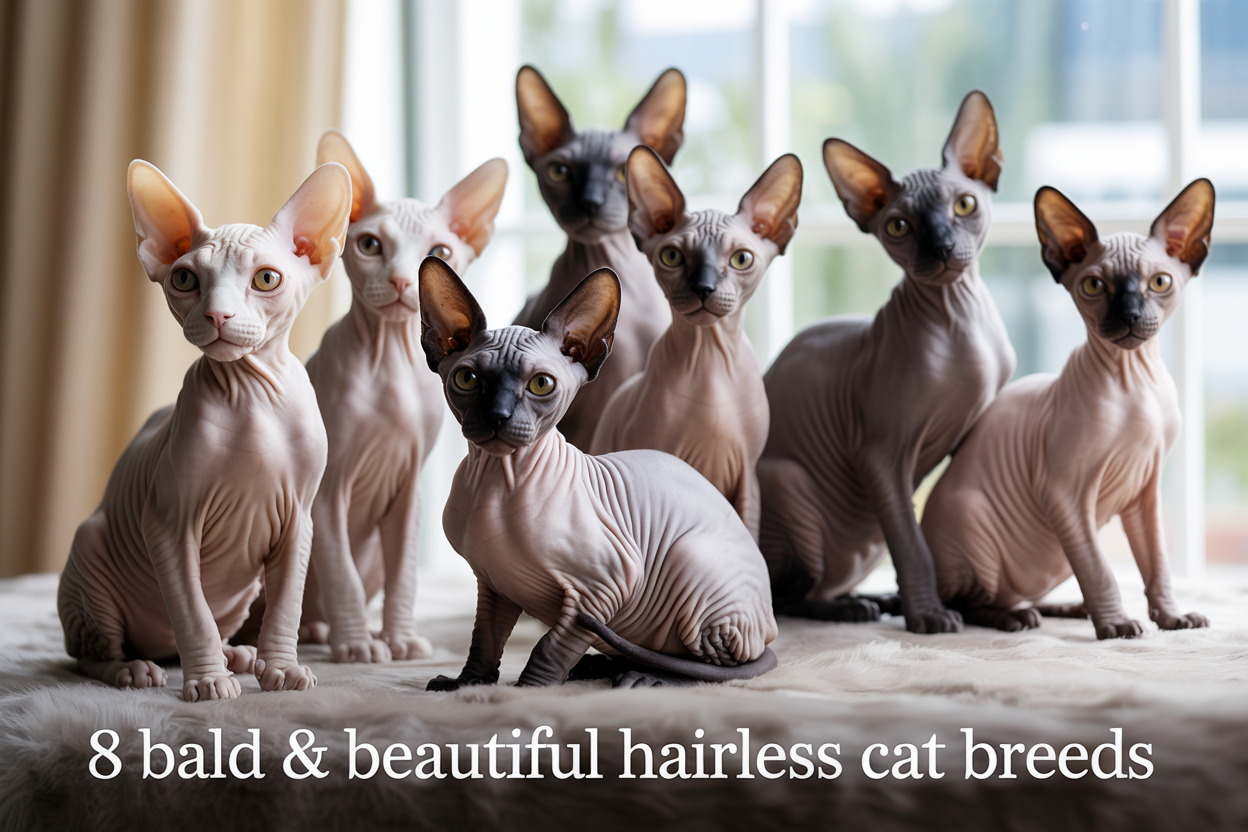
8 bald and beautiful hairless cat breeds
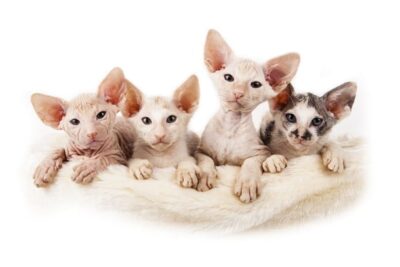
This guide is for cat lovers considering a hairless breed, current owners wanting better care tips, and anyone curious about these unique felines. We’ll explore the top 8 hairless cat breeds including the popular Sphynx and rare Ukrainian Levkoy, plus cover essential grooming needs like weekly baths and skin protection. You’ll also learn about their personality traits, from the highly vocal Peterbald to the dog-like loyalty of the Donskoy, and discover what it really costs to own one of these special cats.
Hairless cats can be traced as far back as the Aztec period, establishing a fascinating historical connection that spans centuries. These unique felines have captured human attention for millennia, demonstrating that the appeal of bald and beautiful hairless cat breeds is far from a modern phenomenon. The ancient origins of these remarkable creatures provide insight into their natural evolution and adaptation, making them one of the most intriguing cat varieties in feline history.
Fine down-like fur coverage versus completely bald varieties
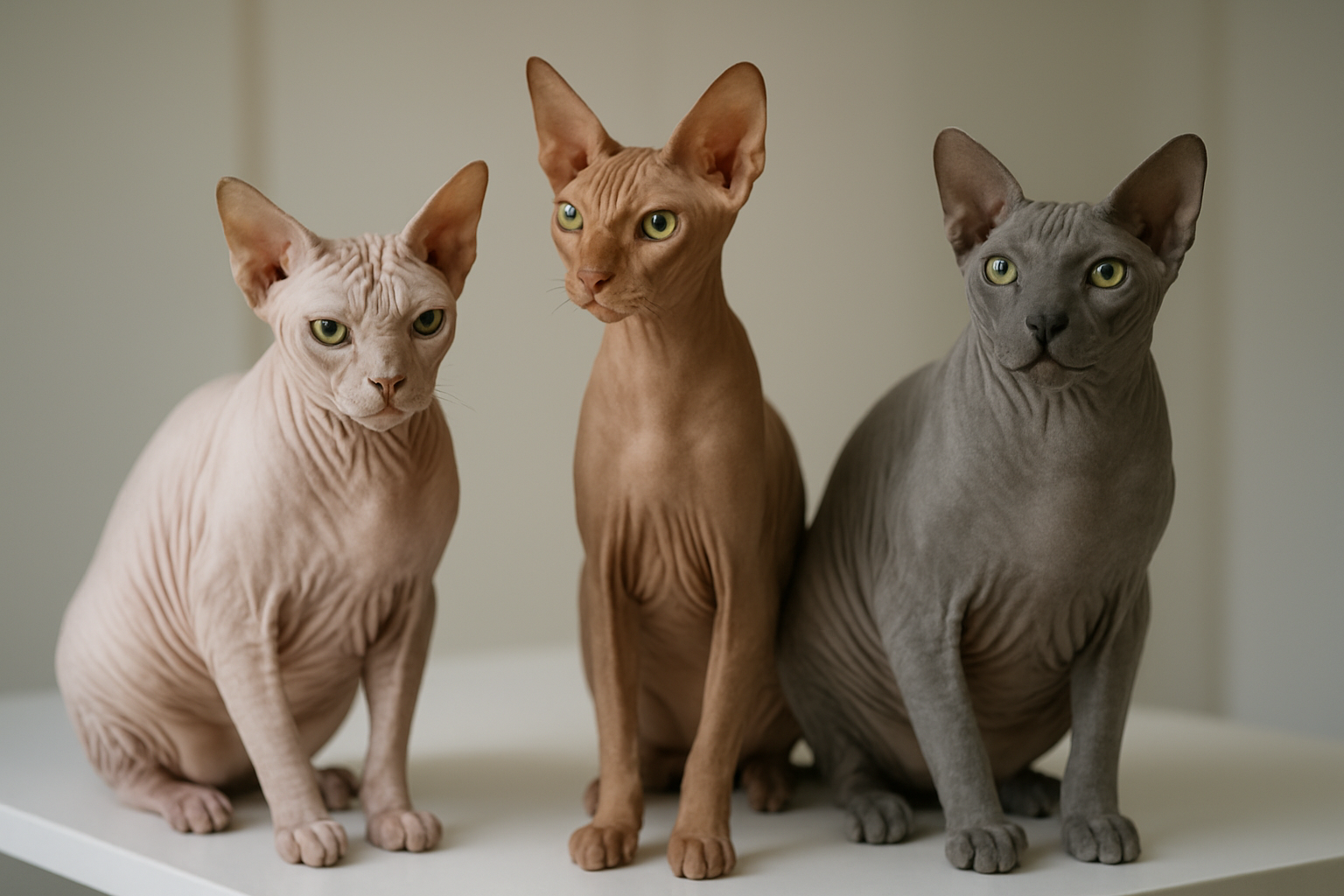
While some hairless cat breeds are completely bald, most are actually covered in very fine and soft down-like fur that creates a distinctive texture. This fine fur can appear as a light coating across the entire body or may be present only on certain parts like the tail or toes. The variation in fur coverage among different hairless cat breeds creates unique characteristics that distinguish one breed from another. Understanding these differences is crucial when considering which type of hairless cat might be the best fit for your household, as the presence or absence of this fine down-like fur can affect both grooming requirements and tactile experience when petting these affectionate companions.
Myth-busting about hypoallergenic properties
Hairless cats are not truly hypoallergenic cat breeds, as allergic reactions are triggered by proteins found in skin and saliva, not hair itself. This common misconception leads many people allergic to cats to believe that hairless varieties will completely solve their allergy concerns. However, some people with allergies find they can coexist with hairless breeds due to less shedding, which reduces the spread of allergens throughout the home environment. While these cats may be better options for some allergy sufferers compared to traditional furry breeds, it’s important to understand that no cat breed is completely allergen-free.
Temperature regulation challenges and special care requirements
Hairless cats require a lot of maintenance due to their unique skin situation and are less able to regulate their body temperature in cooler weather without insulating fur. These temperature regulation challenges make them particularly sensitive to environmental conditions, requiring owners to provide additional warmth during colder months and protection from excessive heat and sun exposure. The absence of a protective fur coat means these cats need specialized care to maintain their health and comfort, making them more suitable as indoor cat breeds rather than outdoor companions.
The Top 8 Hairless Cat Breeds and Their Distinctive Traits
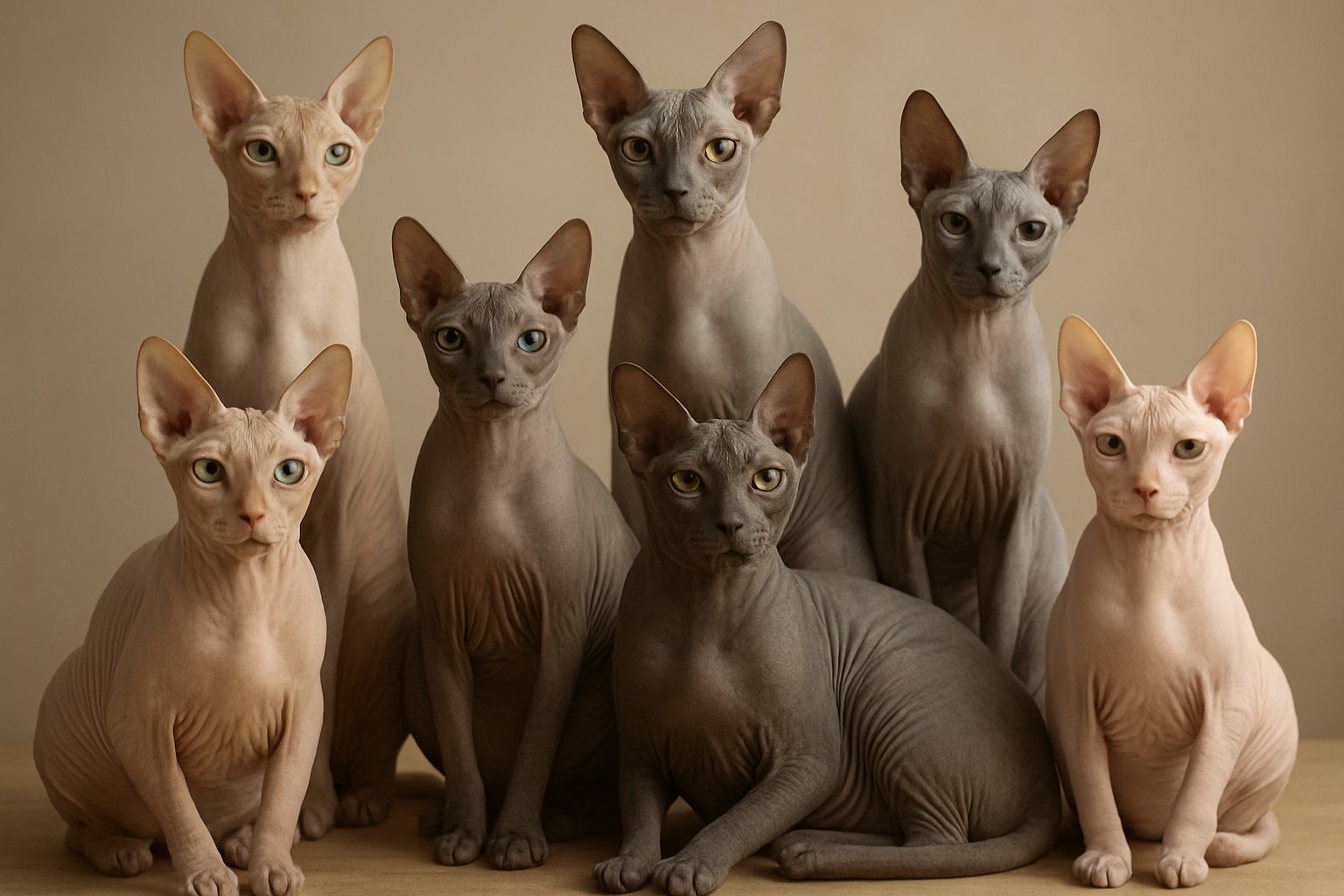
Sphynx – The extroverted and intelligent companion
The Sphynx stands as the most well-known among hairless cat breeds, captivating cat enthusiasts with their distinctive appearance and remarkable personality traits. These extroverted felines are characterized by their energetic nature and super-intelligent disposition, making them exceptional companions for those seeking an interactive pet experience.
What sets the Sphynx apart is their curious and highly affectionate temperament. These cats crave attention and are notably talkative, requiring substantial mental and physical stimulation to thrive. Their intelligence level demands engaging activities and interactive cat toys to prevent boredom. While they vary in their degree of hairlessness, Sphynx cats are generally healthy, though owners should be aware of their predisposition to skin rashes and fungal infections.
Bambino – The affectionate dwarf cat with munchkin heritage
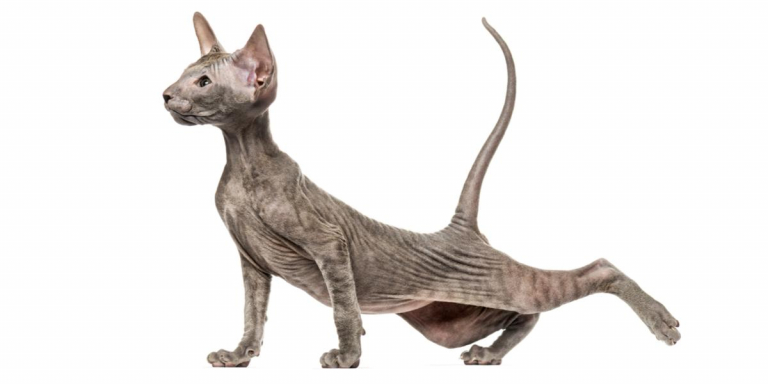
Developed in 2005 through careful cross-breeding of Sphynx and Munchkin cats, the Bambino represents a unique hybrid cat breed that combines the hairless characteristics with distinctive short legs. These cute, almost bald dwarf cats typically display a light peach fuzz covering their skin.
The Bambino’s personality shines through their highly social and affectionate nature. They particularly enjoy lap time and demonstrate exceptional compatibility with children and other animals. Their mischievous streak adds entertainment value, making them excellent family pets for those seeking most affectionate cat breeds.
Peterbald – The vocal Russian breed with changing coats

Originating from Russia in 1994, the Peterbald emerged from breeding Donskoy and Oriental Shorthair cats. This highly vocal breed distinguishes itself with oversized ears and a characteristic whip-like tail. One fascinating aspect of Peterbald cats is their coat variability – they come in five distinct coat types, with the remarkable ability for their coats to change during their first few years of life.
These loving and loyal companions are known for their affectionate disposition and tendency to form exceptionally strong bonds with their human families. Their vocal nature makes them excellent communicators, often engaging in conversations with their owners.
Donskoy – The dog-like loyal and trainable feline
The Donskoy, also known as Russian Hairless or Don Sphynx, represents another remarkable contribution from Russia to hairless cat breeds. These friendly and active cats are renowned for their extreme loyalty, often drawing comparisons to dogs in their devotion and trainability.
Their sweet-natured, energetic, and playful temperament, combined with high intelligence, makes them exceptionally easy to train. Donskoy cats demonstrate particular affection for children and other cats, making them ideal for multi-pet households. They present in four distinct coat types: rubber bald, flocked, velour, and brush variations.
Dwelf – The elf-featured designer breed mix
The Dwelf represents a designer breed created by combining Munchkin, Sphynx, and American Curl genetics. This unique combination results in distinctive elf-like features and a dwarf stature while maintaining the characteristic hairless appearance reminiscent of their Sphynx heritage.
These highly interactive cats excel at both giving and receiving affection. Notable physical characteristics include short or completely absent whiskers and eyelashes, paired with a light body fluff that feels remarkably like suede to the touch.
Minskin – The rare four-pound tiny treasure
Derived from an intricate mix of Munchkin, Burmese, Sphynx, and Devon Rex breeds, the Minskin stands as one of the most rare cat breeds available. These tiny treasures typically weigh no more than four pounds, featuring large eyes, round heads, short legs, and stocky bodies.
Despite their diminutive size, Minskins are outgoing, playful, flexible, and adaptable companions. However, their small stature necessitates indoor living to protect them from potential predators, making them perfect indoor cat breed candidates.

Ukrainian Levkoy – The sociable fold-eared charmer
The Ukrainian Levkoy results from crossing Donskoy and Scottish Fold breeds, creating an inquisitive and playful companion with distinctive folded ears. These super affectionate cats demonstrate remarkable social skills, showing love for children, other animals, and even strangers.
Their highly intelligent nature pairs beautifully with moderate vocalization levels. Ukrainian Levkoys typically live up to 15 years, maintain a medium size, and weigh approximately 10 pounds, making them substantial yet manageable companions.
Lykoi – The werewolf cat with partial hairlessness
The Lykoi, often called the “werewolf cat,” represents a unique entry among hairless cat breeds due to its partial hairlessness pattern. This distinctive appearance creates an almost supernatural aesthetic that has captivated cat enthusiasts worldwide, though specific personality traits and care requirements vary from completely hairless breeds.
Essential Health and Grooming Requirements for Hairless Cats
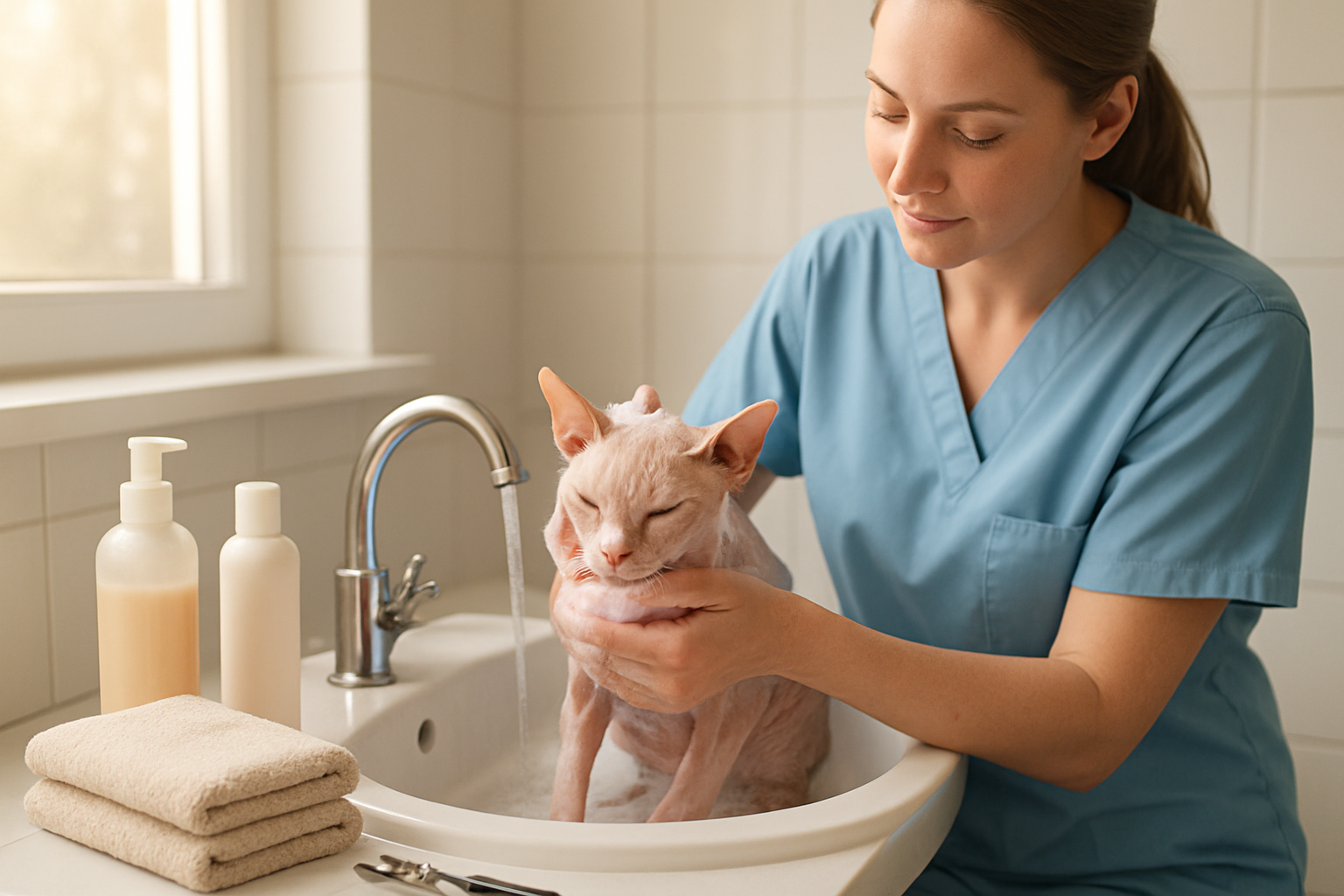
Hairless cats require regular grooming, including weekly bathing, due to oily buildup on their skin surface. Unlike cats with traditional fur coats, hairless cat breeds like the Sphynx, Donskoy, and Peterbald accumulate natural oils directly on their skin without fur to absorb these secretions. This weekly bath routine is essential for maintaining healthy skin and preventing the development of bacterial overgrowth.
The bathing process should be gentle yet thorough, using lukewarm water and a mild, cat-safe shampoo. It is important to introduce bathing from a young age to accustom the cat to the process, making these sessions less stressful for both the pet and owner. Start with short, positive experiences and gradually extend the duration as your hairless cat becomes more comfortable with water exposure.
Skin Moisturizing and Rash Prevention Strategies
Some hairless cats may benefit from a moisturizer to maintain optimal skin health and elasticity. The exposed skin of breeds like the Bambino, Dwelf, and Minskin can become dry and irritated without proper hydration. Choose veterinarian-approved, fragrance-free moisturizers specifically formulated for sensitive feline skin.
Rash prevention requires consistent monitoring of your hairless cat’s skin condition. Look for early signs of irritation, including redness, bumps, or unusual texture changes. Regular application of appropriate moisturizers can create a protective barrier against environmental irritants while maintaining the skin’s natural moisture balance.
Protection from Fungal Infections and Skin Conditions
Sphynx cats are prone to rashes and fungal infections due to their exposed skin and unique physiology. The warm, moist environment created by natural oil accumulation can provide ideal conditions for fungal growth if proper hygiene protocols aren’t maintained. Regular bathing helps remove excess oils that could harbor harmful microorganisms.
Prevention strategies include ensuring your hairless cat’s living environment remains clean and dry, particularly their bedding and favorite resting areas. Monitor skin folds and wrinkles carefully, as these areas are particularly susceptible to fungal development in hairless cat breeds.
Regular Veterinary Monitoring for Breed-Specific Issues
Consistent veterinary oversight is crucial for hairless cat breeds, as their unique physiology requires specialized attention. Schedule regular check-ups to monitor skin health, discuss appropriate skincare routines, and address any emerging concerns before they develop into serious conditions. Your veterinarian can recommend specific products and protocols tailored to your particular hairless cat breed’s needs.
Climate Protection and Safety Measures for Hairless Breeds
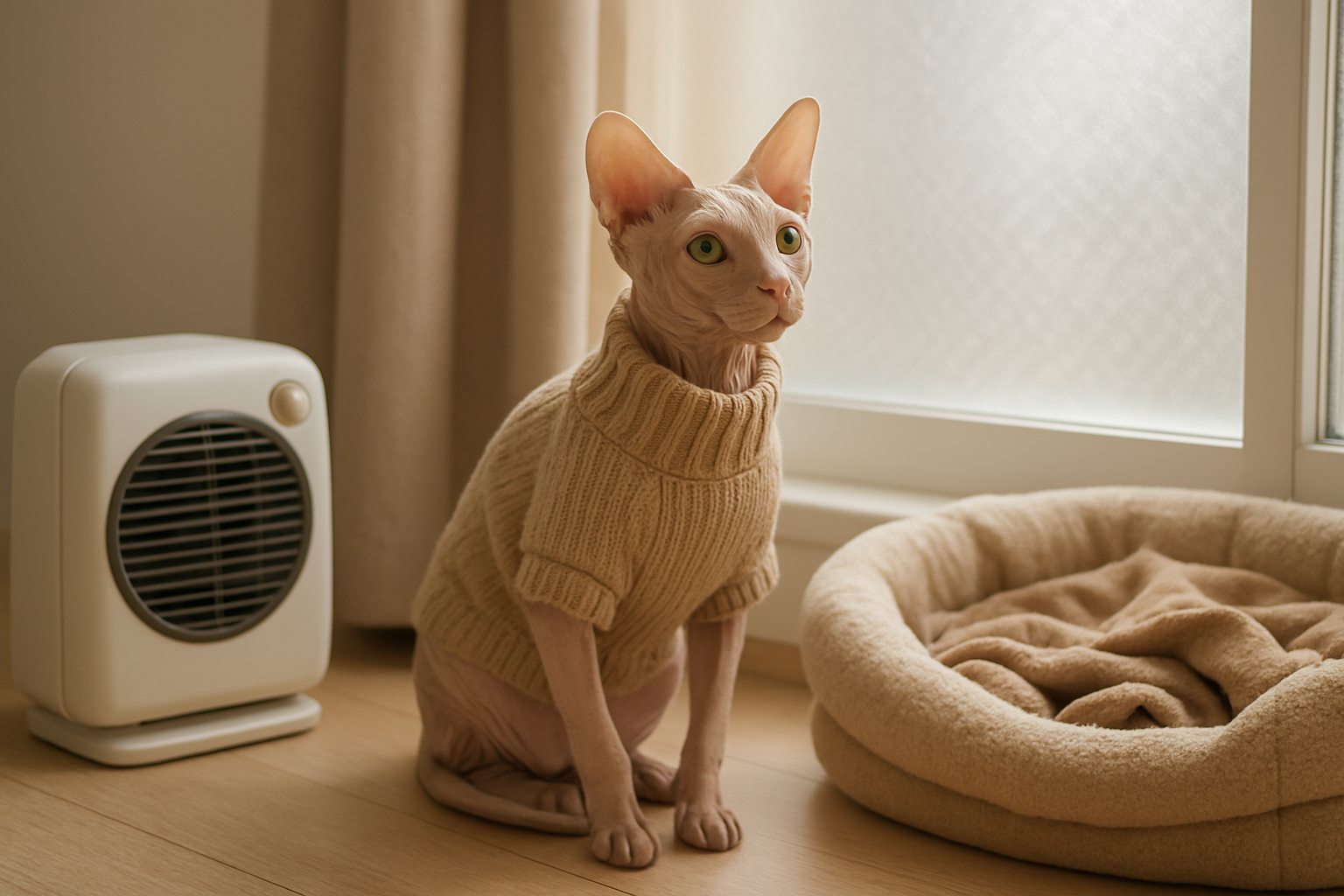
In colder months, hairless cat breeds require specialized protection to maintain their body temperature. A well-fitted sweater or coat for cats becomes essential gear for these unique felines, as their lack of insulating fur makes them particularly vulnerable to temperature drops. The fine soft down-like fur present on some hairless breeds provides minimal warmth compared to traditional cat coats, making external warming solutions crucial.
Creating heated spaces within your home helps maintain optimal comfort for these indoor cat breed varieties. Consider positioning heated cat beds in multiple rooms to ensure your hairless companion always has access to warmth. The most affectionate cat breeds like the Sphynx and Bambino particularly benefit from these cozy arrangements, as they tend to seek out warm spots naturally.
Summer Sun Protection with Pet-Safe Sunscreen
During summer months, hairless cat breeds face significant risks from UV exposure that traditionally coated cats don’t encounter. These bald and beautiful hairless cat breeds require diligent application of cat-friendly sunscreen to prevent painful sunburns and potential skin damage. The exposed skin of breeds like the Peterbald and Donskoy makes them especially susceptible to sun damage.
Sun-damaged skin poses serious health risks, as it increases the likelihood of developing skin cancer later in life. Pet-safe sunscreen formulated specifically for cats should be applied to all exposed areas before any potential sun exposure, making this protection protocol non-negotiable for responsible owners.
Indoor Lifestyle Benefits and Safety Considerations
An indoor lifestyle proves most beneficial for hairless cat breeds, offering superior temperature regulation and protection from environmental hazards. This controlled environment allows owners to maintain consistent temperatures while eliminating risks associated with outdoor exposure. For people allergic to cats, these hypoallergenic cat breed options become even more appealing when kept indoors, as the controlled environment further reduces allergen dispersal.
Tiny breeds like the Minskin face additional safety concerns that make indoor living essential. Their diminutive size makes them vulnerable to predators, weather extremes, and various outdoor dangers that larger cats might better navigate. The indoor environment provides the security these rare cat breed varieties need to thrive safely.
UV Exposure Management for Outdoor Access
When hairless cats do have outdoor access, comprehensive UV protection becomes paramount. Pet-safe sun lotion must be meticulously applied to all exposed skin areas before venturing outside. Many experienced owners opt for additional protection by covering their cats with lightweight vests that provide physical barriers against harmful radiation.
A catio or outdoor enclosure offers an excellent compromise, allowing these cats to enjoy fresh air and outdoor stimulation while maintaining protection from direct sun exposure and other environmental threats. This solution particularly benefits the highly vocal breed varieties like the Ukrainian Levkoy and Lykoi, who may express desire for outdoor experiences while still requiring careful protection from UV damage.
High Social Needs and Attention-Seeking Behaviors
Hairless cat breeds are renowned for their exceptionally high social needs and attention-seeking behaviors that set them apart from many other feline varieties. The Sphynx, Bambino, Peterbald, Donskoy, Dwelf, Ukrainian Levkoy, and Lykoi are all described as highly social creatures that thrive on human interaction and form incredibly strong bonds with their families.
These breeds exhibit pronounced attention-seeking behaviors, often following their owners throughout the house and demanding to be the center of attention. Their affectionate natures make them exceptional lapcats, constantly seeking physical contact and warmth from their human companions. This characteristic stems from both their lack of fur, which makes them naturally drawn to warm surfaces, and their inherently social personalities.
The loving nature of these hairless breeds means they don’t do well when left alone for extended periods. They require consistent interaction and can become anxious or destructive without adequate social stimulation. Their playful spirits ensure they remain engaging companions throughout their lives, making them ideal for households where someone is frequently present to provide the attention these breeds crave.
Intelligence Levels and Trainability Factors
Many hairless breeds demonstrate remarkably high intelligence levels, making them not only affectionate companions but also highly trainable pets. The Sphynx, Donskoy, Ukrainian Levkoy, and Lykoi are particularly noted for their exceptional intelligence, which manifests in their ability to learn complex behaviors and adapt to household routines.
The Donskoy stands out as being very easy to train, responding well to positive reinforcement and demonstrating an eagerness to please their owners. This high intelligence across hairless breeds means they can learn tricks, respond to commands, and even adapt to walking on leashes with proper training. Their cognitive abilities also make them excellent problem-solvers, though this can sometimes lead to mischievous behavior if they become bored.
The combination of intelligence and social nature in these breeds creates cats that are highly responsive to their environment and capable of forming complex relationships with their human families. This trainability makes them suitable for owners who enjoy interactive relationships with their pets and want to engage in training activities.
Compatibility with Children and Other Pets
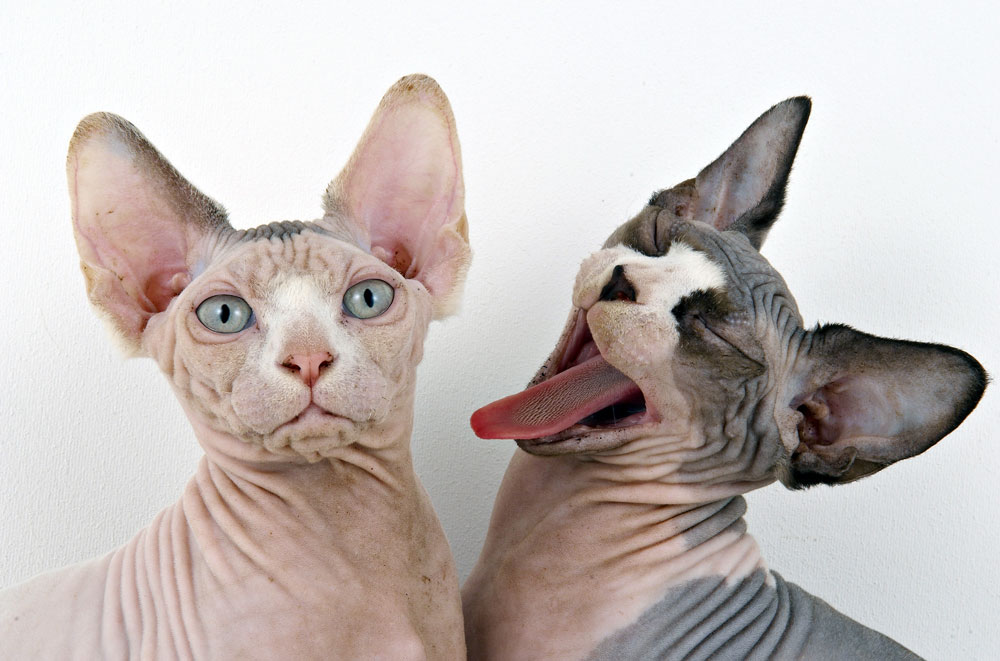
Hairless cat breeds generally exhibit excellent compatibility with children and other pets, making them ideal choices for multi-pet households and families. The Bambino, Donskoy, and Ukrainian Levkoy are specifically noted for their compatibility with children, other pets including dogs, and even strangers, demonstrating their well-socialized and adaptable natures.
This compatibility stems from their highly social personalities and lack of territorial aggression that might be seen in other breeds. Their affectionate and loving dispositions make them patient with children and accepting of other animals in the household. The strong bonds they form with their families extend to all family members, including four-legged ones.
Their friendly demeanor with strangers also makes them excellent pets for households that frequently entertain guests. Unlike some cat breeds that may hide or become aggressive with unfamiliar people, these hairless breeds often welcome new faces with curiosity and affection.
Activity Levels and Enrichment Needs
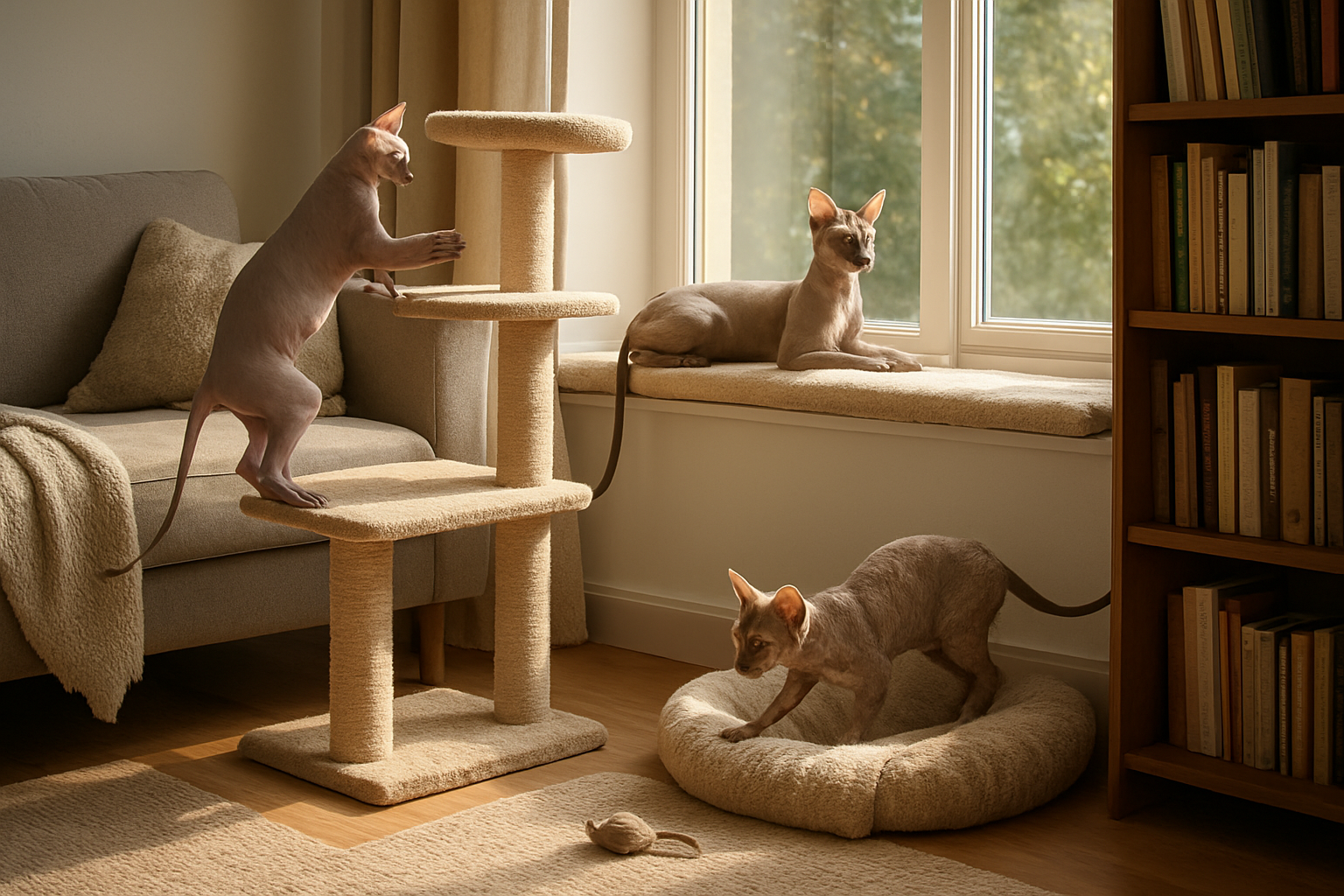
Hairless cat breeds possess notably high activity levels and require substantial enrichment to maintain their physical and mental well-being. The Sphynx, Bambino, Peterbald, Donskoy, Ukrainian Levkoy, and Lykoi are all characterized as energetic, playful, and curious cats that need consistent stimulation and opportunities to explore and climb.
These breeds require interactive cat toys, climbing structures, and regular play sessions to satisfy their high energy levels. Their curious nature drives them to investigate every corner of their environment, making vertical space and varied enrichment activities essential for their happiness. Without adequate stimulation, these intelligent and active breeds can become destructive or develop behavioral issues.
The playful nature of these hairless breeds means they benefit from puzzle feeders, rotating toy selections, and interactive play sessions with their owners. Their need for mental stimulation is as important as their physical exercise requirements, making them ideal companions for owners who enjoy engaging with their pets through various activities and games.
Cost Considerations and Breed Availability

When considering hairless cat breeds, potential owners must prepare for significant upfront costs, particularly with designer and rare varieties. The Dwelf, a unique crossbreed combining characteristics of several hairless breeds, commands premium pricing due to its distinctive appearance and limited availability. Similarly, Lykoi cats rank among the most expensive cat breeds in the world, with their werewolf-like appearance and exceptional rarity driving costs well above standard pet prices.
The pricing reflects both the specialized breeding required and the limited gene pools available for these unique varieties. New breeds like the Lykoi, developed between 2010 and 2013, maintain high prices due to their recent emergence and controlled breeding programs.
Ongoing Maintenance and Care Expenses
Contrary to common misconceptions, hairless cat breeds are not low maintenance pets and require substantial ongoing care expenses. Weekly bathing becomes a necessity, requiring specialized cat shampoo formulated for sensitive skin. During colder months, owners must invest in sweaters or coats to protect their cats from temperature fluctuations, while summer months demand cat-friendly sunscreen to prevent harmful UV exposure.
Additional maintenance costs include potential moisturizers for skin care, as these breeds lack the natural protection that fur provides. The consistent need for these specialized products creates ongoing monthly expenses that exceed typical cat ownership costs.
Breed Rarity and Finding Reputable Sources
The extreme rarity of certain hairless breeds presents significant challenges in locating reputable breeders. Minskins exemplify this scarcity, with only 50 individuals existing as of 2005, making them nearly impossible to acquire through conventional channels. This rarity extends to other breeds like the Lykoi, where the limited number of breeding cats worldwide creates extensive waiting lists.
Finding reputable sources becomes crucial given the high demand and limited supply, requiring thorough research and patience from prospective owners.
Long-term Investment in Specialized Care Products
Owning hairless cat breeds requires a sustained commitment to specialized care products throughout the cat’s lifetime. This includes regular purchases of gentle bathing products, protective clothing for seasonal weather changes, and sun protection measures for outdoor exposure. The consistent need for these items represents a significant long-term financial commitment beyond initial purchase costs.
7 FAQs – hairless cat breeds

While hairless cat breeds like the Sphynx and Peterbald produce less dander due to their lack of fur, they’re not completely hypoallergenic. These cats still produce Fel d 1 protein in their saliva, skin, and urine, which triggers allergic reactions in sensitive individuals. However, many people allergic to cats find hairless breeds more tolerable since there’s no fur to trap allergens. Regular bathing can help reduce allergen buildup on their skin, making them a better choice for some allergy sufferers.
What’s the difference between Sphynx and Donskoy cats?
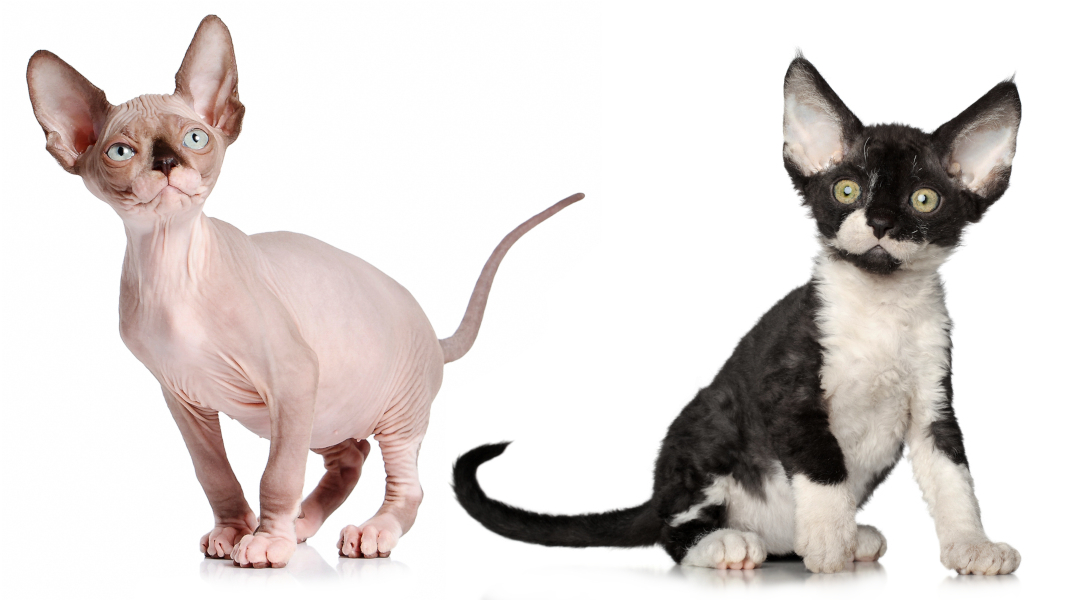
The main difference lies in their genetics and coat characteristics. Sphynx cats have a recessive hairless gene and may have fine soft down-like fur, while Donskoy cats carry a dominant hairless gene and can be completely bald. Donskoy cats also tend to be slightly larger and more muscular than Sphynx cats. Both breeds are highly vocal and affectionate, but Donskoy cats often display more dog-like behaviors and stronger territorial instincts.
How often should you bathe a hairless cat?
Most hairless cat breeds require a weekly bath to remove oil buildup and prevent skin issues. Use gentle, cat-specific shampoos designed for sensitive skin. Some cats with oilier skin may need bathing twice weekly, while others can go 10 days between baths. Watch for signs like greasy feel, strong odor, or blackheads to determine the right schedule for your cat.
Do hairless cats need special clothing and sun protection?
Yes, hairless cats need protection from both cold and UV rays. In cooler weather, provide sweaters or coats designed for cats to maintain body temperature. For sun exposure, apply cat-friendly sunscreen to ears, nose, and other exposed areas, or limit direct sunlight. Consider creating a catio or outdoor enclosure for safe outdoor time without harmful UV exposure.
How much do hairless cat breeds typically cost?

Hairless cat breeds range from $1,500 to $6,000, with rare breeds like Ukrainian Levkoy and Lykoi commanding higher prices. Sphynx cats typically cost $1,800-$3,000, while rarer hybrid cat breeds like Dwelf or Bambino can exceed $4,000. Ongoing costs include specialized skincare products, regular grooming, and potential health monitoring, making them among the most expensive cat breeds to maintain.
Which hairless breeds work best for families with children?
Sphynx and Minskin cats are excellent choices for families due to their patient, playful nature and tolerance for handling. These breeds rank among the most affectionate cat breeds and enjoy interactive play with children. Peterbald cats are also family-friendly but may be more reserved initially. All hairless breeds benefit from gentle handling education for children, as their skin is more delicate than furred cats.
What personality traits are common among hairless cat breeds?
Most hairless breeds are extremely social, attention-seeking, and people-oriented. They’re typically more dog-like in behavior, often following owners around and seeking constant interaction. Many are highly vocal breeds that “talk” to their humans regularly. These cats rarely do well alone and thrive with companionship, whether human or feline. They’re also known for being excellent lap cats who love warmth and physical contact, making them perfect indoor cat breeds for people seeking close bonds with their pets.
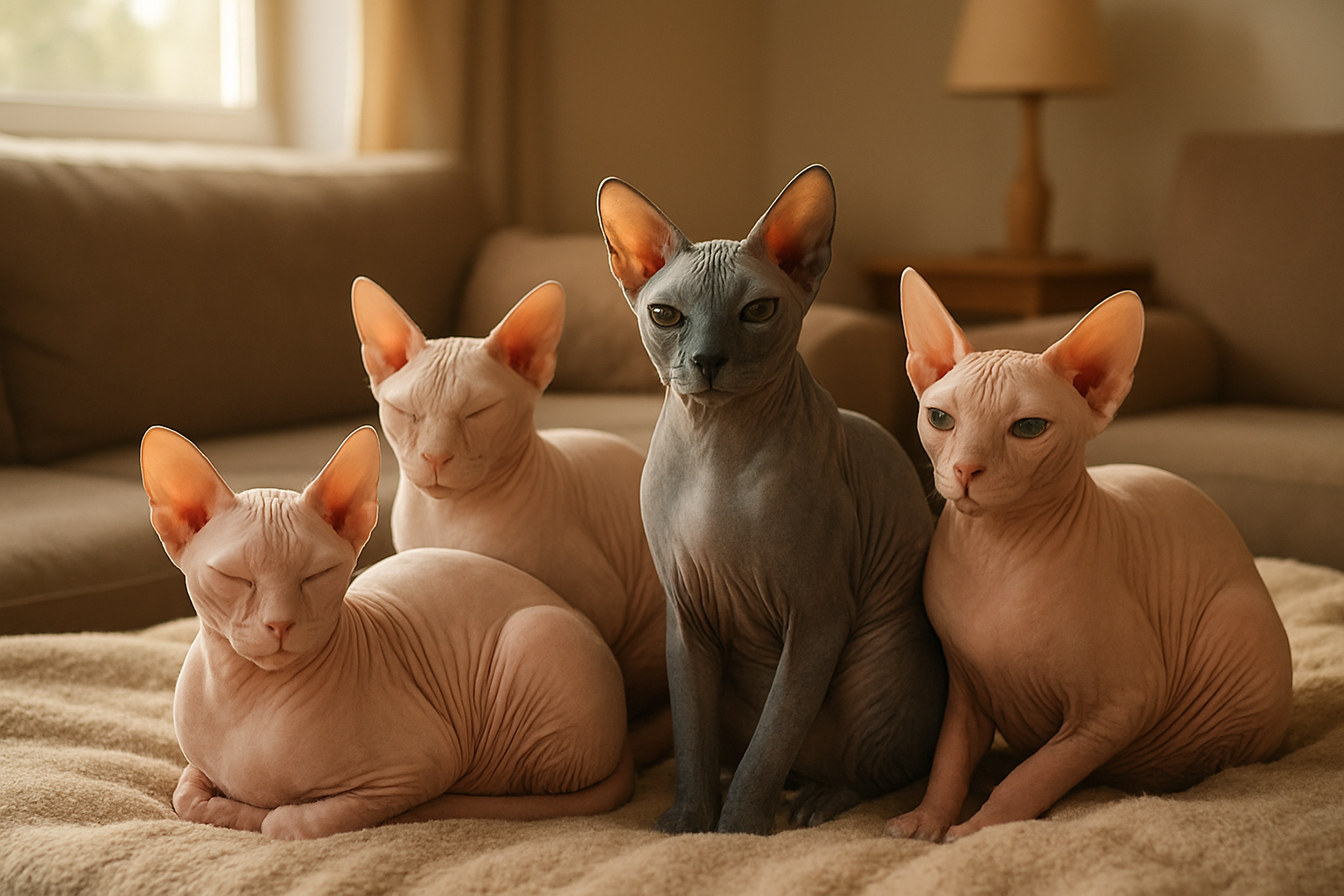
Before welcoming a hairless cat into your home, carefully consider the ongoing grooming requirements, potential health considerations, and higher costs associated with these specialized breeds. These remarkable felines thrive on human companionship and make exceptional indoor pets for those prepared to meet their unique needs. If you’re ready to embrace the distinctive joys of hairless cat ownership, any of these eight breeds will reward you with years of devoted companionship and endless entertainment. Hairless cat breeds | Hairless cat breeds | Hairless cat breeds | Hairless cat breeds | Hairless cat breeds | Hairless cat breeds | Hairless cat breeds
Related Posts
Top Cat Breeds in the UK: The Ultimate Guide to Cats Loved by British Owners
-
Posted by
Happy Kittens