

Male and Female Scottish Fold Kittens
Male and Female Scottish Fold Kittens: The Complete Guide to Understanding Gender Differences
When I first saw a Scottish Fold kitten at a local cat show, I was instantly captivated by those unique folded ears and gentle expression. But as I started researching the breed, I discovered there’s much more to consider than just their adorable appearance. The differences between male and female Scottish Fold kittens can significantly impact your experience as an owner, from their adult size to their personality traits and care needs.
Scottish Fold kittens are among the most sought-after cat breeds, known for their owl-like appearance and sweet temperaments. However, choosing between a male or female kitten involves understanding various factors that will influence your life together for the next 12-15 years. This comprehensive guide will help you make an informed decision by exploring the key differences between male and female Scottish Fold kittens.
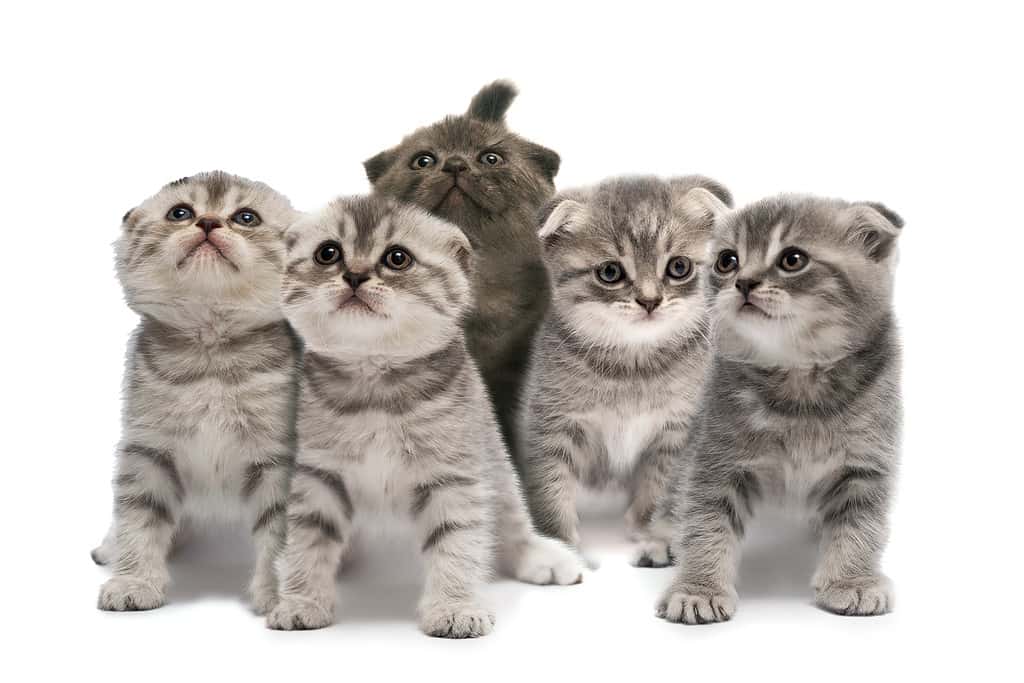
Understanding the Scottish Fold Breed
Origins and History of Scottish Fold Cats
The Scottish Fold breed has a fascinating origin story that began in 1961 on a farm in Scotland. A white barn cat named Susie had unusual folded ears caused by a genetic mutation. When Susie had kittens, one of them, Snooks, inherited the same folded ears and became the foundation of the entire Scottish Fold breed.
What makes this breed’s history particularly interesting is how quickly it gained popularity despite its relatively recent origins. By the 1970s, Scottish Folds had made their way to America, where breeders worked to establish the breed standards we know today. The breed’s development involved careful crossbreeding with British Shorthairs and domestic cats to maintain genetic diversity while preserving the signature ear fold.
I find it remarkable that every Scottish Fold kitten today can trace their lineage back to that single barn cat in Scotland. This concentrated genetic foundation is something potential owners should understand, as it plays a role in both the breed’s distinctive characteristics and certain health considerations.
Physical Characteristics and the Signature Folded Ears
The most obvious feature of Scottish Fold kittens is their folded ears, but not all kittens in a litter will have this trait. The fold is caused by a dominant gene, meaning kittens need only one copy from either parent to display folded ears. However, responsible breeders typically breed folded-ear cats with straight-ear cats to reduce health risks.
Scottish Fold kittens are born with straight ears, and the fold typically becomes apparent around 3-4 weeks of age. The degree of fold can vary significantly, with some cats having single folds while others have double or triple folds that lay almost flat against their heads. This variation is normal and doesn’t affect the kitten’s quality or health.
Beyond their ears, Scottish Folds have round, expressive eyes and compact, well-proportioned bodies. Their faces have a sweet, almost teddy bear-like expression that many people find irresistible. The breed comes in both long-haired and short-haired varieties, with the long-haired version sometimes called Scottish Fold Longhair or Highland Fold.
Breed Recognition and Standards
The Scottish Fold breed gained recognition from major cat associations relatively quickly, though not without some controversy. The Cat Fanciers’ Association (CFA) recognized the breed in 1978, followed by other major organizations. However, some countries and organizations have restrictions or bans on Scottish Fold breeding due to health concerns related to the folded ear gene.
Current breed standards emphasize the importance of overall health and proper body structure over extreme ear folds. Judges look for well-balanced cats with good bone structure, proper coat quality, and, of course, the characteristic sweet expression. The standards also specify that cats should move freely without any signs of stiffness or discomfort, addressing some of the health concerns associated with the breed.
Physical Differences Between Male and Female Scottish Fold Kittens

Size and Weight Variations by Gender
One of the most noticeable differences between male and female Scottish Fold kittens becomes apparent as they grow into adults. Male Scottish Folds typically reach weights of 9-13 pounds when fully mature, while females usually weigh between 6-9 pounds. This size difference is quite significant and something I always discuss with potential owners.
During their kitten stage, the size difference isn’t as pronounced. Both male and female Scottish Fold kittens grow at similar rates during their first few months, with males beginning to show their larger potential around 4-6 months of age. By their first birthday, the size difference becomes quite obvious, with males appearing more substantial and robust overall.
This size difference affects more than just appearance. Larger male cats typically need more food, larger litter boxes, and stronger cat furniture to support their weight. I’ve seen many cat owners surprised by how much bigger their male Scottish Fold became compared to their expectations based on the kitten’s initial size.
Facial Features and Body Structure Differences
While both genders share the breed’s characteristic round face and sweet expression, there are subtle differences in facial features between males and females. Male Scottish Folds often develop broader heads with more prominent cheeks, especially after neutering. This gives them a more robust, masculine appearance that many people find appealing.

Female Scottish Folds typically maintain more delicate facial features throughout their lives. Their faces tend to be slightly more angular, with less prominent cheek development. These differences are subtle in kittens but become more apparent as they mature into adults.
Body structure also varies between genders. Males develop broader chests and shoulders, giving them a more muscular appearance. Females maintain a more compact, refined body structure. These differences are normal and reflect the sexual dimorphism common in many cat breeds.
Coat Development and Texture in Males vs Females
Interestingly, I’ve noticed some differences in coat development between male and female Scottish Fold kittens, particularly in the long-haired variety. Males often develop thicker, more luxurious coats with more prominent ruffs around their necks. This is especially noticeable in neutered males, who tend to develop fuller coats than their intact counterparts.
Female Scottish Folds typically have softer, more manageable coats. While still dense and plush, their coats are often easier to maintain and less prone to matting. This difference can be important for owners who prefer lower-maintenance grooming routines.
The coat color and pattern development doesn’t typically vary by gender, but males may show more intense coloration in certain patterns due to their larger size and more robust build.
Behavioral and Personality Traits by Gender

Activity Levels and Play Preferences
In my experience with Scottish Fold kittens, males tend to be more active and playful well into adulthood. Male kittens often engage in more vigorous play, including wrestling and chasing games. They’re typically more likely to initiate play sessions and may maintain their kitten-like playfulness longer than females.
Female Scottish Fold kittens are often more selective about their play activities. They tend to prefer puzzle toys, hunting games, and interactive play with their owners rather than rough-and-tumble activities. This doesn’t mean they’re less playful, but their play style is often more refined and purposeful.
These activity level differences can influence your choice depending on your lifestyle. If you have young children who want an active playmate, a male kitten might be a better fit. If you prefer a cat that enjoys interactive play but isn’t constantly demanding attention, a female might suit you better.
Social Interaction and Bonding Patterns
One of the most consistent differences I’ve observed between male and female Scottish Fold kittens is their approach to social bonding. Males are often more outgoing and demanding of attention from all family members. They’re typically the cats that greet visitors at the door and want to be involved in every household activity.
Female Scottish Folds tend to be more selective in their bonding. They often choose one or two favorite family members and form particularly strong attachments to them. This doesn’t mean they’re unfriendly to others, but they’re more likely to show clear preferences in their affections.
Both genders are generally good with children and other pets when properly socialized, but their approaches differ. Males often use their larger size and confident personalities to establish their place in the family hierarchy, while females rely more on their intelligence and charm.
Territorial and Independence Behaviors
Territorial behaviors vary significantly between male and female Scottish Fold kittens as they mature. Unneutered males are much more likely to mark territory and show aggressive behaviors toward other cats. Even neutered males may be more territorial than females, though proper neutering at the appropriate age greatly reduces these behaviors.
Female Scottish Folds generally show less territorial aggression but can be more particular about their personal space and belongings. They’re often more independent in their daily routines and may prefer having their own designated areas within the home.
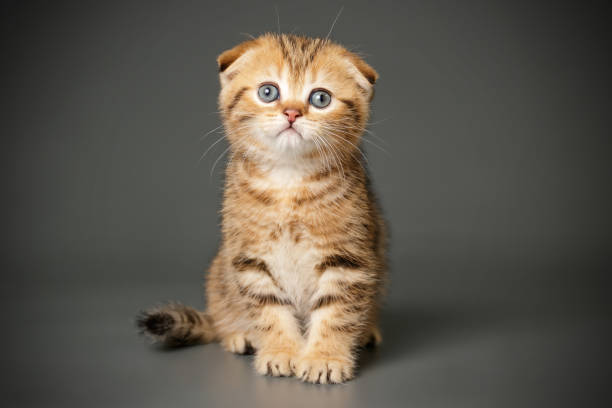
These behavioral differences are important considerations for multi-pet households. While individual personality matters more than gender, understanding these tendencies can help you make better decisions about introducing new pets or managing household dynamics.
Health Considerations for Each Gender
Gender-Specific Health Risks and Conditions
Like all cat breeds, male and female Scottish Folds face different health risks related to their gender. Male cats are more prone to urinary blockages, which can be life-threatening emergencies. This risk is higher in neutered males and can be partially managed through proper diet and ensuring adequate water intake.
Female Scottish Folds face different reproductive health challenges if not spayed. Pyometra, a serious uterine infection, and mammary cancer risks increase with age and exposure to heat cycles. These risks are virtually eliminated through early spaying.
Both genders share the breed-specific health concerns related to the folded ear gene, including osteochondrodysplasia, which can affect cartilage and bone development. However, these conditions affect both genders equally and are more related to genetic factors than gender-specific issues.
Reproductive Health and Spaying/Neutering Considerations
The timing and importance of spaying and neutering differ slightly between genders. Female Scottish Fold kittens should typically be spayed before their first heat cycle, usually around 4-6 months of age. This early spaying provides the maximum health benefits and prevents unwanted pregnancies.
Male Scottish Fold kittens can be neutered slightly later, typically between 4-8 months of age. Early neutering helps prevent territorial marking and aggressive behaviors while still allowing proper growth and development. I generally recommend neutering males before they reach sexual maturity to avoid developing unwanted behavioral patterns.
Both procedures are routine and safe when performed by experienced veterinarians. The recovery time is typically shorter for males, but both genders usually bounce back quickly with proper post-operative care.
Common Scottish Fold Health Issues Affecting Both Genders
All Scottish Fold kittens, regardless of gender, should be monitored for breed-specific health issues. Osteochondrodysplasia is the most serious concern, affecting the cartilage and potentially causing painful arthritis and mobility issues. Responsible breeders screen their breeding cats and provide health clearances to reduce these risks.

Hypertrophic cardiomyopathy, a heart condition, can affect Scottish Folds of both genders. Regular veterinary checkups and heart screenings can help detect and manage this condition early. Additionally, polycystic kidney disease has been reported in some Scottish Fold lines, making genetic testing and responsible breeding practices crucial.
Regular dental care is important for both male and female Scottish Folds, as the breed can be prone to dental issues. Their round faces and compact jaw structure may contribute to crowded teeth and increased plaque buildup.
Care Requirements and Daily Needs
Feeding Guidelines for Growing Male and Female Kittens
Scottish Fold kittens have similar nutritional needs regardless of gender during their early months, but their feeding requirements begin to diverge as they grow. All kittens need high-quality kitten food with appropriate protein and fat levels to support their rapid growth and development.
Male kittens typically require more food as they approach their growth spurts, usually starting around 4-6 months of age. I recommend monitoring their body condition and adjusting portions accordingly rather than following strict feeding charts, as individual needs vary significantly.
Female kittens generally require fewer calories overall but still need nutrient-dense food during their growth phase. They typically reach their adult size earlier than males, usually by 10-12 months compared to males who may continue growing until 18 months or longer.
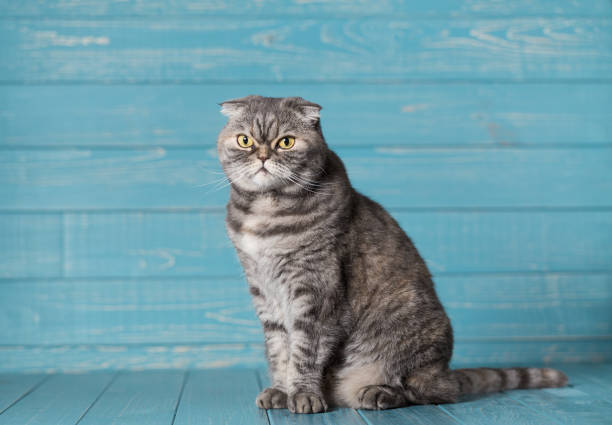
Both genders benefit from multiple small meals throughout the day rather than one or two large meals. This approach helps prevent overeating and supports better digestion, particularly important for Scottish Folds who can be prone to weight gain.
Grooming Needs and Maintenance Routines
Grooming requirements for Scottish Fold kittens vary more by coat length than gender, but there are some subtle differences worth noting. Male Scottish Folds, particularly those with longer coats, may require more frequent brushing as adults due to their thicker, denser coats.

Both genders need regular ear cleaning due to their folded ear structure, which can trap dirt and moisture. However, I’ve found that males sometimes tolerate grooming procedures better, while females may be more particular about when and how they’re groomed.
Nail trimming, dental care, and general hygiene needs are the same for both genders. Starting these routines early in kittenhood helps ensure your Scottish Fold will be comfortable with grooming throughout their life.
The long-haired Scottish Fold variety requires daily brushing regardless of gender to prevent matting and reduce shedding. Short-haired Scottish Folds need brushing 2-3 times per week to maintain their coat condition and reduce hairballs.
Exercise and Environmental Enrichment Requirements
Both male and female Scottish Fold kittens need appropriate exercise and mental stimulation, but their preferences may differ. Males often enjoy more active play sessions with toys like feather wands, laser pointers, and interactive balls. They’re typically more motivated by high-energy activities.
Female Scottish Folds often prefer puzzle feeders, hunting games, and activities that challenge their problem-solving skills. They may be more interested in climbing structures and perches that allow them to observe their territory from above.
Environmental enrichment is crucial for both genders. Scottish Folds are intelligent cats that need mental stimulation to prevent boredom and behavioral issues. Rotating toys, providing scratching posts, and creating vertical spaces for climbing all contribute to their well-being.
Choosing Between a Male or Female Scottish Fold Kitten
Lifestyle Compatibility and Living Situation Factors
Your living situation should play a significant role in deciding between a male or female Scottish Fold kitten. If you live in a smaller space like an apartment, a female might be a better choice due to her typically smaller size and more independent nature. She’ll likely be content with less space and may adapt more easily to apartment living.
For families with children or those who want a more interactive companion, male Scottish Folds often make excellent choices. Their outgoing personalities and higher tolerance for handling make them good family pets. However, their larger size and more demanding nature require more space and attention.
Consider your work schedule and lifestyle when making this decision. If you’re away from home frequently, a female Scottish Fold’s independent nature might be better suited to your lifestyle. If you work from home or have family members around most of the time, a male’s social nature could be more compatible.
Experience Level and Time Commitment Considerations
First-time cat owners often do better with female Scottish Folds due to their generally more manageable size and less demanding personalities. Females tend to be more forgiving of mistakes in handling and may be easier to litter train and socialize.
Experienced cat owners who enjoy interactive relationships with their pets might prefer males for their outgoing personalities and stronger bonding tendencies. Males often require more consistent training and socialization but reward their owners with loyal, affectionate relationships.
Both genders require significant time commitments, but in different ways. Males may demand more daily interaction and play time, while females might need more patience in building trust and bonding relationships.
Multi-Pet Households and Gender Dynamics
If you already have pets, consider how gender dynamics might affect your household. Neutered male Scottish Folds often integrate well with other cats, particularly females. They’re typically less territorial than intact males and more accepting of new additions to the household.
Female Scottish Folds can be excellent companions for existing male cats but may be more selective about accepting other females. They often do well with calm, gentle dogs but may need more time to adjust to highly energetic pets.
The personality of your existing pets matters more than their gender when introducing a Scottish Fold kitten. However, understanding typical gender behaviors can help you anticipate and manage potential challenges during the introduction process.
Training and Socialization Approaches
Litter Training Success Rates by Gender
In my experience, both male and female Scottish Fold kittens are generally easy to litter train, but their approaches may differ slightly. Female kittens often learn litter box habits more quickly and are typically more consistent in their usage. They tend to be naturally clean and may even prefer multiple litter boxes for different purposes.
Male Scottish Fold kittens may take slightly longer to establish consistent litter box habits, particularly if they’re not neutered early. They might be more likely to mark territory outside the litter box, though this behavior is greatly reduced through early neutering and consistent training.
Both genders respond well to positive reinforcement and consistent routines. The key to successful litter training is providing clean, appropriately sized boxes in quiet locations and maintaining consistent cleaning schedules.
Socialization Techniques for Male vs Female Kittens
Male Scottish Fold kittens typically require less intensive socialization efforts due to their naturally outgoing personalities. They often approach new experiences with confidence and curiosity, making them easier to expose to different people, situations, and environments.
Female Scottish Fold kittens may need more patient, gradual socialization approaches. They often prefer to observe new situations before participating and may need more time to build trust with new people. However, once properly socialized, they often develop strong, lasting bonds.
Both genders benefit from early, positive exposure to various experiences during their critical socialization period (3-12 weeks of age). This includes handling by different people, exposure to household noises, and gentle introduction to grooming procedures.
Addressing Gender-Specific Behavioral Challenges
Male Scottish Fold kittens may develop territorial marking behaviors, particularly if not neutered early. This challenge requires consistent cleaning of marked areas with enzymatic cleaners and possible environmental modifications to reduce territorial stress.
Female Scottish Fold kittens might develop selective bonding, where they strongly prefer one family member over others. While this isn’t necessarily problematic, it can be addressed through encouraging interactions with all family members and avoiding over-dependence on one person.
Both genders may develop attention-seeking behaviors, but they manifest differently. Males might become more demanding and vocal, while females might become withdrawn or destructive. Consistent routines and appropriate attention help prevent these issues.
Long-term Ownership and Life Stages
Growth Milestones and Development Timelines
Understanding the growth patterns of male and female Scottish Fold kittens helps set appropriate expectations for their development. Both genders follow similar patterns during their first few months, reaching about half their adult weight by 4-5 months of age.

Males typically continue growing until 18-24 months of age, with their most significant growth spurts occurring between 4-12 months. During this time, they may seem awkward or uncoordinated as they adjust to their changing body size.
Females usually reach their adult size by 12-15 months, making their growth timeline more predictable. They tend to fill out and develop their adult body condition more gradually than males, who may go through distinct phases of rapid growth.
Both genders experience personality changes as they mature from kittenhood to adulthood, typically becoming calmer and more settled around 2-3 years of age.
Adult Personality Changes from Kittenhood
The transition from kitten to adult personality varies between male and female Scottish Folds. Males often maintain more of their kitten-like playfulness well into adulthood, sometimes never completely outgrowing their desire for active play and interaction.
Females may show more dramatic personality changes as they mature, often becoming more independent and selective in their interactions. However, they typically develop deeper, more meaningful bonds with their chosen family members.

Both genders generally become less destructive and more predictable in their routines as they mature. Adult Scottish Folds of both genders are known for their calm, gentle temperaments that make them excellent companion animals.
Senior Care Considerations for Each Gender
As Scottish Folds age, gender-specific considerations become important for maintaining their health and comfort. Senior males, due to their larger size, may be more prone to joint problems and may need additional support for mobility as they age.
Senior females often maintain their independence longer but may require more encouragement to stay active and engaged. They might be more prone to hiding illness, making regular veterinary checkups even more important.
Both genders benefit from senior-specific diets, regular health screenings, and environmental modifications to accommodate changing mobility needs. The strong bonds they form with their families make them excellent senior companions when properly cared for.
Summary
Scottish Fold kittens make wonderful companions regardless of gender, each bringing unique characteristics to the household. While males typically grow larger and may be more outgoing, females often display more independent and cautious personalities. Both genders share the breed’s signature calm temperament and affectionate nature. The choice between a male or female Scottish Fold kitten should be based on your lifestyle, experience level, and personal preferences rather than gender alone. Proper care, early socialization, and regular veterinary attention are essential for raising healthy, well-adjusted Scottish Fold cats of either gender.
Frequently Asked Questions
Q: Are male or female Scottish Fold kittens more affectionate?
A: Both genders can be equally affectionate, though males may be slightly more outgoing and demanding of attention, while females might show affection more selectively.
Q: Which gender is easier to train?
A: Training success depends more on individual personality than gender. Both male and female Scottish Folds are intelligent and respond well to consistent, positive training methods.
Q: Do male Scottish Folds get along better with other cats?
A: Neutered males often integrate well with other cats, but socialization and individual temperament matter more than gender for multi-cat households.
Q: Is there a significant size difference between male and female Scottish Folds?
A: Yes, males typically weigh 9-13 pounds when fully grown, while females usually weigh 6-9 pounds, though individual variation exists.
Q: Do female Scottish Folds require different care than males?
A: Basic care requirements are the same, but unspayed females need monitoring for heat cycles, and males may require different approaches to territorial marking behaviors.
Q: At what age can you determine the gender of Scottish Fold kittens?
A: Gender can usually be determined accurately by 6-8 weeks of age, though experienced breeders may identify it earlier.